
Could we be looking at samurai warriors training in Canada’s frozen north? That’s what folks in Ottawa are buzzing about today after Prime Minister Carney just wrapped up a deal that might see Japanese soldiers learning to fight in some of the planet’s nastiest weather.
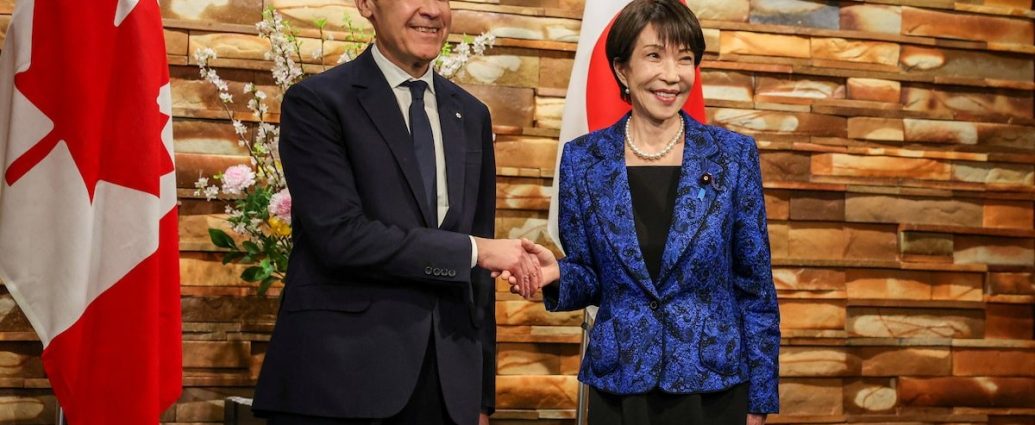
Carney finished his Asia trip by inking a massive defence pact with Japan’s leaders. And here’s the kicker – it opens the door for Japanese troops to join Canadian forces in Arctic war games. That’s a pretty big shift in how both countries think about keeping the north secure.
The timing couldn’t be more important. Arctic temperatures have jumped 2.3 degrees since 1971 – nearly three times what the rest of the planet’s seeing. Environment and Climate Change Canada says the ice-free season is getting longer by 5.4 days every decade since 1979.
When Arctic Training Goes Global
Having Japanese soldiers learn to fight in Canada’s Far North isn’t just about making military friends.
It’s about getting ready for a world where Arctic control faces fresh threats (to put it lightly). Traditional allies need to understand what it takes to operate when it’s so cold your spit freezes before it hits the ground.
Japanese forces don’t have much experience with Arctic conditions. That makes this partnership pretty valuable for everyone involved. Canadian military folks get to share their cold-weather know-how while picking up Japan’s high-tech tricks. For Japan, it’s a chance to stretch their military skills beyond their usual Pacific stomping grounds.
“This partnership represents a new chapter in Canada-Japan relations, with both countries recognizing the changing security scene in the Arctic and Indo-Pacific regions,” said Defence Minister Anita Anand during the signing ceremony in Tokyo.
The timing isn’t random. Arctic ice keeps shrinking, which means new shipping lanes and places to dig for resources. That’s created security headaches for Canada, which has always struggled to keep tabs on its massive northern territories – we’re talking 3.9 million square kilometres here.
Right now, Canada runs just four Arctic training centers. We’ve got only 200 military personnel stationed permanently across the entire Arctic region.
Adding Japanese forces could help justify spending more money up north and give politicians cover for bigger Arctic investments.
The Japanese Self-Defense Forces aren’t showing up empty-handed (for better or worse). Japan’s defence budget hit $51.4 billion USD in 2024 – that’s a 16.9% jump from last year as they push toward NATO’s 2% GDP spending target by 2027.
Cold Weather Tech Gets a Major Upgrade
Joint exercises are just the beginning. The real excitement is around technology sharing that could completely change how armies operate in freezing conditions.
Japan brings world-class manufacturing and electronics. Canada offers Arctic expertise and resource management know-how that you can’t learn anywhere else.
Since 2020, Japanese companies have dropped $2.8 billion into cold-weather tech development. They’re building autonomous systems that work down to -40°C. These innovations could transform military surveillance and supply chains in extreme environments.
Classic.
Mitsubishi Heavy Industries has already designed Arctic-capable vehicles that could be built right here in Canada under the new deal. Their Cold Weather Operations Division has been testing gear in Hokkaido’s winter conditions, but Canadian Arctic environments are in a completely different league.
“The technological exchange potential is enormous,” explained Dr. Kenji Yamamoto, director of Japan’s Arctic Research Institute. “Our electronics and precision manufacturing combined with Canadian Arctic expertise could produce breakthrough capabilities for both nations.”
Canadian firms like CAE Inc. And Rheinmetall Canada have spent decades figuring out northern logistics and extreme-environment engineering. These companies stand to make serious money from accessing Japanese manufacturing techniques and component technologies.
This Deal Goes Way Beyond Snow and Ice
Military exercises are just one piece of this puzzle. The partnership expands existing cooperation on cybersecurity, intelligence sharing, and tech development worth about $847 million over five years.
Both countries have been pumping money into defence capabilities lately. Japan’s racing toward NATO’s 2% GDP target by 2027. Canada’s been under similar pressure to boost military investment, especially in Arctic surveillance and northern infrastructure.
The agreement also tackles shared worries about regional security threats. Both nations have been watching China’s growing boldness in the South China Sea and increasing activities in Arctic waters. Chinese research vessels made 23 trips through Arctic waters in 2023 – that’s up from just 7 in 2019.
Russia’s military moves have added another wrinkle to northern security planning. Moscow has reopened 50 Soviet-era military bases across its Arctic territories since 2014. They regularly run massive exercises involving up to 38,000 personnel.
The Canada-Japan partnership will start with smaller exercises involving 150-300 personnel from each country. These exercises will test how well the two militaries can work together, communicate, and handle logistics when temperatures drop to -50°C during winter training periods.
The Money Side Makes Everyone Happy
Military cooperation is grabbing headlines, but the economic parts of this partnership might stick around longer. The agreement expands trade relationships and creates opportunities for Canadian businesses in Japanese markets worth about $1.2 billion annually.
Energy companies are particularly excited. Japan’s been diversifying energy sources since Fukushima, and Canadian resources fit perfectly into that plan. Liquefied natural gas exports could see a major boost, with potential contracts worth $3.7 billion over the next decade.
Canada currently supplies just 2.3% of Japan’s natural gas imports, despite having some of the world’s biggest reserves.
The new partnership includes provisions for streamlined regulatory approval and joint infrastructure development that could triple Canadian market share by 2030.
Manufacturing partnerships are also on the table.
Japanese automakers already employ over 47,000 people directly in Canada. This agreement could speed up that trend, with Toyota and Honda both announcing plans to expand their Canadian facilities by 15% over the next three years.
The aerospace sector is really interested in potential collaboration opportunities. Bombardier has signed preliminary agreements with three Japanese firms for joint development of cold-weather aircraft systems, potentially creating 2,400 new jobs across Quebec and Ontario.
What Regular Canadians Should Expect
This partnership’s impact on everyday Canadians goes way beyond military exercises in the remote Arctic.
Economic benefits could flow to multiple sectors and regions, particularly areas with existing defence industry presence.
Northern communities stand to benefit most directly from increased military activity and infrastructure investment. The agreement includes $340 million for Arctic facility upgrades over five years, with priority given to projects that also serve civilian communities.
Iqaluit, Yellowknife, and Whitehorse are all being considered as logistics hubs for expanded international training operations. That could mean hundreds of new jobs in transportation, accommodation, and support services for these smaller centers.
The technology transfer provisions could boost Canadian innovation across multiple industries. Japanese expertise in robotics, artificial intelligence, and precision manufacturing could help Canadian companies compete better in global markets.
Energy workers in Alberta and British Columbia might see new opportunities as Japanese companies look for reliable suppliers for their diversification strategies. The partnership’s energy provisions specifically mention expanded collaboration in hydrogen production and carbon capture technologies.
Students and researchers will benefit from expanded exchange programs and joint research initiatives. The agreement establishes $75 million in funding for academic cooperation, including scholarships for Canadian students to study in Japan and vice versa.
Political Chess Moves
For Carney, this partnership is a foreign policy victory when Canada’s been working to strengthen relationships across the Indo-Pacific region. The agreement shows Canada’s commitment to being a reliable partner beyond its traditional North Atlantic focus.
The Arctic military component sends a clear message about Canadian sovereignty. By inviting allies to train in northern territories, Canada’s demonstrating both its ability to operate in those regions and its willingness to share that expertise strategically.
Japan’s participation also reinforces the idea that Arctic security isn’t just a North American or European concern.
As shipping routes open and resource competition heats up, Pacific nations have legitimate interests in understanding Arctic dynamics.
The partnership is a calculated response to changing geopolitical realities. China’s Belt and Road Initiative has included significant Arctic components, with Chinese companies investing over $89 billion in Arctic infrastructure projects since 2017.
Russia’s Arctic militarization has picked up speed dramatically, with Moscow spending an estimated $6.2 billion annually on northern military capabilities. The Canada-Japan partnership provides a counterbalance to this buildup while keeping the region peaceful.
Making It Happen Won’t Be Easy
The agreement provides a framework, but actually making this work will take time.
Military exercises require extensive planning. Integrating Japanese forces into Canadian Arctic operations presents logistical challenges that could take years to sort out.
Language barriers, different equipment standards, and varying operational procedures all need to be addressed. The first joint exercises probably won’t happen until 2027 at the earliest, giving both militaries time to plan and prepare.
Infrastructure improvements might be necessary at northern training facilities. Japanese forces will need accommodation, communication systems, and specialized equipment to operate effectively in Arctic conditions. The estimated cost for these upgrades is $180 million over three years.
Weather will always limit things. Arctic training windows are pretty short, typically running from February to April and September to November. International exercises will need to be scheduled around optimal conditions, meaning careful coordination with existing Canadian military operations.
The economic parts of the partnership should move faster than military cooperation. Trade relationships can be implemented more quickly than joint exercises, potentially delivering benefits to Canadian businesses within 6-12 months rather than years.
Cultural integration presents another challenge that both militaries are taking seriously. Pre-deployment training programs will include language instruction, cultural orientation, and extensive technical preparation. The first group of Japanese personnel selected for Arctic training will spend four months in intensive preparation before deploying to Canada.
What nobody knows yet is whether this partnership is a new template for Canada’s international relationships or a unique arrangement tailored specifically to Japan’s strategic importance in the Indo-Pacific region. Early signs suggest other allies are already asking about similar arrangements, potentially transforming Canada’s Arctic into a truly international training ground.
Frequently Asked Questions
When will Japanese forces start training in Canadian Arctic exercises?
The first joint exercises likely won’t happen until 2027 at the earliest, as both militaries need time for extensive planning and preparation.
What other benefits does this partnership include besides military cooperation?
The agreement expands trade relationships, technology sharing, cybersecurity cooperation, and creates new opportunities for Canadian businesses in Japanese markets.
Why is Japan interested in Arctic military training?
Japanese forces have limited experience with Arctic conditions, and this partnership helps them expand military capabilities beyond their traditional Pacific focus while learning cold-weather operations.