
A West London Tube station kept flooding every time the rain came down hard, and the obvious fix looked expensive: concrete, pumps and a public works budget. Instead, planners turned to an unlikely beavers climate solution that had been absent from the English countryside for more than 400 years. It worked within weeks, and it cost almost nothing.
The story is small in scale but large in implications. At Greenford station, a returning rodent did the job of an engineering crew, and in doing so reframed a question that communities on both sides of the Atlantic are now asking: can restoring lost wildlife be cheaper and more durable than building new defences against a changing climate?
How the beavers climate solution fixed Greenford station flooding
For years, heavy rain caused a nearby creek to overflow, swamping the ticket office at West London’s Greenford Tube station and the area around it. In 2023, rather than reaching for more engineering, officials brought back a vanished species: the beaver.
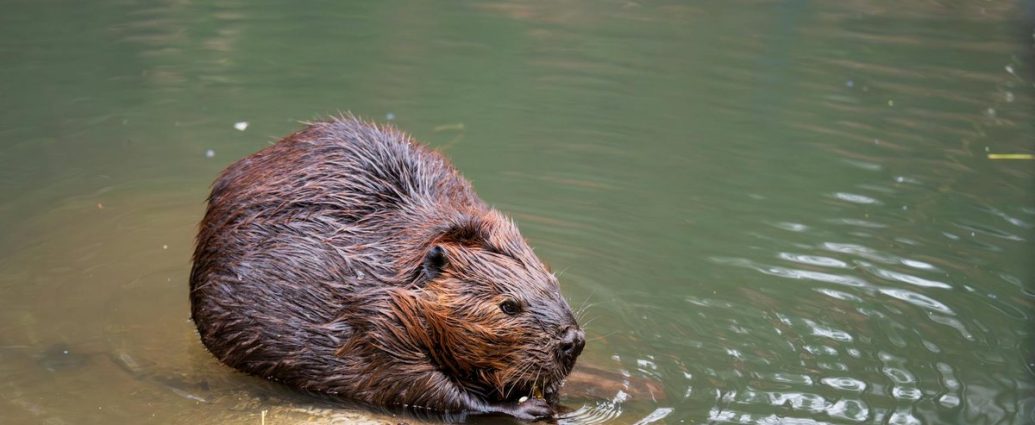
A family of five beavers was released through the Ealing Beaver Project to act as what supporters called “nature’s engineers.” The results came fast.
Within weeks, the animals had built a dam across the creek, pooling the water into a pond and easing the pressure that had been flooding the station. They also carved out new pathways and tributaries that diverted water away from the main channel.
The pace did not slow. In their first year, the small group built seven dams, and they did far more than manage water, reshaping the local ecosystem in the process.
What is a beaver dam and how does it reduce flooding?
A beaver dam is a barrier of branches, mud and vegetation that the animals build across a stream. It slows and stores water in ponds upstream, which lowers peak flows during heavy rain and reduces the surges that cause downstream flooding, while also recharging the surrounding wetland.
That natural plumbing is exactly what Greenford was missing. By holding water back and spreading it across new channels, the dams blunted the flash flooding that had repeatedly hit the station.
A nature preserve next to a fast-food drive-through
The combination of rerouting water and felling trees drew a striking range of wildlife back to the neighbourhood. New residents along the creek now include:
- Freshwater shrimp
- Two types of bats
- A rare brownstreak butterfly species
- Eight new species of birds
A whole new nature preserve is taking shape remarkably close to an urban centre. In one telling detail, the beavers are doing their work just 100 metres behind a McDonald’s.
That proximity is part of the point. This is not a remote wilderness experiment; it is restoration unfolding in the middle of a busy London suburb, alongside commuters and shoppers.
Undoing a 400-year-old mistake
The project tackles a changing climate, but it also reverses an older, human-made loss. The Eurasian beaver was hunted to extinction in England and Wales more than 400 years ago, when the animals were prized for meat, fur for coats, and castoreum, a secretion used to enhance perfumes and flavour food.
Their disappearance may have made the flooding worse in the first place. Had beavers continued to thrive, the argument goes, the kind of climate-related flooding now plaguing places like Greenford might have been blunted by the dams and ponds the animals naturally create.
The Ealing effort is one of several attempts to return beavers to the United Kingdom. One of the earliest took place in Scotland, where Norwegian beavers were introduced to Inverness-shire. Scientists chose Norwegian animals because they determined the population was the most genetically similar to the extinct U.K. beavers. The UK government now maintains an official framework for beaver reintroduction and management in England.
The benefits have stretched beyond flood control. Visitors and residents now go on “beaver safaris” to watch the creatures at work, turning a piece of climate infrastructure into a local attraction. And the most obvious advantage is the price tag: the beavers solve these flooding problems effectively free of charge.
Why this beavers climate solution matters beyond the U.K.
The United Kingdom is not alone in turning to beavers to manage water. In the United States, the animals were brought in to build dams and conserve river water during droughts in Utah. In California, beaver reintroduction into streams and rivers proved beneficial enough that the practice was written into state law.
The through-line is simple: a swimming rodent with a paddle tail can meaningfully change whether a place has enough natural water or far too much.
What does the London beaver project mean for Canadians?
For Canadians, the story lands close to home. The beaver is, of course, a national emblem and a fixture of the country’s wetlands, where its dam-building shapes river flows and stores water across the landscape.
The London experiment is a reminder that the same instincts so familiar across Canadian rivers and ponds are being studied elsewhere as a deliberate tool against both flooding and drought. As communities everywhere weigh how to handle heavier rainfall and longer dry spells, low-cost, nature-based approaches are drawing fresh attention. Readers tracking these shifts can follow related coverage in our Science section and keep an eye on flood and storm trends through our weather hub.
The takeaway
The Greenford project points to a different way of thinking about climate adaptation, one that leans on restoring lost species rather than only building new defences. Where homes, transit and businesses sit close to water, the challenge of keeping that water in check is only growing more pressing.
For homeowners, planners and councils facing repeat flooding, the practical lesson is that the cheapest fix is not always the most high-tech one. In West London, the answer turned out to have four legs and a flat tail, and it arrived for free.
Frequently Asked Questions
How did beavers help reduce flooding at a London Tube station?
After being released near West London’s Greenford station in 2023, a family of five beavers built a dam in a nearby creek within weeks, pooling water into a pond and creating new pathways and tributaries that diverted water away from the main creek, easing the flooding that had affected the station.
How many dams did the beavers build, and what wildlife returned?
The small group built seven dams in its first year. The rerouted water and felled trees drew back a range of species, including freshwater shrimp, two types of bats, a rare brownstreak butterfly and eight new species of birds, forming a new nature preserve close to urban areas.
Why are beavers considered a low-cost climate solution?
Beavers build and maintain dams and ponds on their own, storing water and slowing floods without ongoing engineering costs. At Greenford, they solved a recurring flooding problem effectively free of charge, while also reviving local biodiversity.
Are beavers being used elsewhere to manage water?
Yes. Beavers were brought in to build dams and conserve river water during droughts in Utah, and reintroduction into California’s streams and rivers proved beneficial enough that it was written into state law. There have also been earlier U.K. efforts, including in Scotland with Norwegian beavers.
Why were beavers extinct in England, and for how long?
The Eurasian beaver was hunted to extinction in England and Wales more than 400 years ago. The animals were valued for their meat, fur for coats and castoreum, a secretion used to enhance perfumes and flavour food.