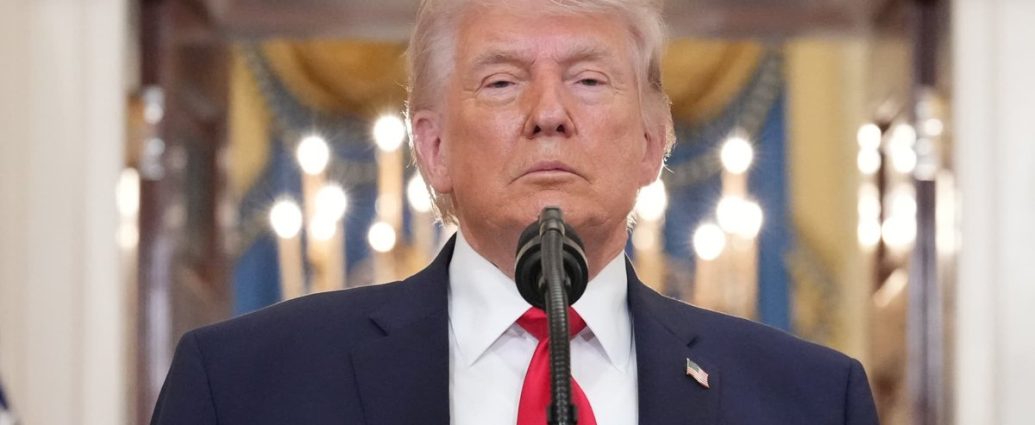
Will Trump’s last-minute flip on those planned Iran attacks actually bring any real peace to the Middle East? The guy did a complete 180 just hours before his Tuesday night deadline, and it’s all thanks to some urgent arm-twisting from Pakistan.
Trump posted on Truth Social that he’s putting the attacks on hold for two weeks, but only if Iran agrees to the “COMPLETE, IMMEDIATE, and SAFE OPENING of the Strait of Hormuz.” This came after phone calls with Pakistani Prime Minister Shehbaz Sharif and Field Marshal Asim Munir. Pretty wild shift from his earlier threats to wipe out Iran’s “whole civilization.”
The whole thing played out over 72 hours of crazy escalating tensions that brought us closer to a major war than we’ve been since Trump got back in office. What started as a weekend social media rant demanding Iran “Open the Fuckin’ Strait” turned into threats of total destruction before Pakistani diplomats jumped in with a way for everyone to save face.
Three Days That Nearly Broke Everything
Looking at how this unfolded, you can see just how fast things can spiral out of control when world leaders are tweeting threats. Sunday night, Trump drops his demand for Iran to reopen the Strait of Hormuz and gives them until Tuesday 8 p.m. Monday morning brought even nastier language, with Trump calling Iran’s first ceasefire attempt “not good enough.”
Tuesday morning was when things got really scary.
Trump posted: “A whole civilization will die tonight, never to be brought back again.” That sent shockwaves through every diplomatic channel on earth and had NATO allies scrambling for emergency meetings.
But then Tuesday afternoon, Pakistani PM Sharif goes public with his plea for a two-week extension. He posts it on X around 3 p.m. Less than three hours later, Trump caves and announces the suspension at 6:15 p.m.
Just 105 minutes before his own deadline. Talk about cutting it close.
Markets went absolutely nuts after Trump’s announcement. Oil prices crashed as much as 16%, with West Texas crude dropping from $84.50 to $71.25 per barrel in after-hours trading. U.S.
Stock futures shot up like rockets, Dow futures jumped 380 points and the S&P 500 climbed 1.8%.
Here’s why everyone freaked out: the Strait of Hormuz isn’t just some random waterway. About 21 million barrels of oil pass through there every single day. That’s roughly 21% of all the petroleum traded globally. If Iran had actually shut it down for weeks, we’d be looking at gas prices through the roof and probably a global recession.
Pakistan Saves the Day
Pakistani PM Sharif basically pulled off a diplomatic miracle here (no, seriously). His intervention came after urgent talks with Field Marshal Munir, Pakistan’s army chief, who’s kept back-channel communications open with Iranian military brass for years.
Sharif went straight to Trump asking for the two-week extension while simultaneously pushing Iranian leadership to open the strait “as a goodwill gesture.” His public appeal came after private calls with both Trump and Iranian President Masoud Pezeshkian.
“We also urge all warring parties to observe a ceasefire everywhere for two weeks to allow diplomacy to achieve conclusive termination of war, in the interest of long-term peace and stability in the region,” Sharif wrote on X.
Pakistan’s in a unique spot here. They’re a nuclear power with decent relationships with both the U.S. And Iran, which makes them perfect middlemen. They’ve done this before, Pakistan hosted secret U.S.-Iran talks back in 2013 that helped set up the original nuclear deal.
Field Marshal Munir’s role can’t be overstated (and that’s putting it mildly). The guy’s maintained professional relationships with Iranian Revolutionary Guard commanders while having direct access to Trump through Pakistan’s defence partnerships with America.
Trump’s calling it a “double sided CEASEFIRE,” which suggests both countries agreed to pause military operations during negotiations. U.S. Naval forces in the Persian Gulf got orders to stay defensive but avoid anything that looks provocative during these two weeks.
Everyone’s Claiming They Won
Naturally, both Washington and Tehran are spinning this as their big victory, though the competing stories show just how fragile this whole thing really is.
Trump’s claiming the U.S. Agreed to halt attacks because “we have already met and exceeded all Military objectives, and are very far along with a definitive Agreement concerning Longterm PEACE with Iran, and PEACE in the Middle East.” He says Iran submitted a 10-point proposal that gives them “a workable basis on which to negotiate.”
Classic.
The president insists that “almost all of the various points of past contention have been agreed to between the United States and Iran,” though he didn’t spell out which issues got resolved or what anyone actually gave up.
Iran’s response came through their Supreme National Security Council, which declared that the U.S. “has accepted these principles as the basis for negotiations and has surrendered to the will of the Iranian people.” Their statement struck this triumphant tone about America’s apparent “surrender.”
“If the surrender of the enemy in the field becomes a decisive political achievement in the negotiations, we will celebrate this great historical victory together, otherwise we will fight side by side in the field until all the demands of the Iranian nation are achieved.”
These dueling victory laps highlight the domestic pressure both leaders face. Trump needs to look tough for his base while avoiding an expensive war.
Iranian leaders have to show they didn’t cave to U.S. Threats while getting sanctions relief their economy desperately needs.
Iran’s Wish List
Iran’s 10-point proposal shows just how ambitious Tehran’s getting with these negotiations. It’s the most detailed Iranian negotiating position we’ve seen since Trump took office.
They want all U.S. Combat forces out of regional bases across the Middle East. We’re talking about roughly 45,000 American military personnel stationed in Iraq, Syria, Kuwait, Bahrain, Qatar, and the UAE.
Complete sanctions relief is also on the table, that affects over 1,500 Iranian entities and individuals right now. Those sanctions have cost Iran’s economy an estimated $200 billion since Trump first slapped them on during his previous presidency.
The proposal calls for releasing frozen Iranian assets abroad. That includes about $6 billion stuck in South Korean banks and $7 billion in Iraq that Iran can’t touch because of banking restrictions. Full war-related damage payments could total hundreds of billions, though Iran hasn’t put an exact figure out there.
Most interesting is the bit about establishing a protocol for controlled passage through the Strait of Hormuz.
Sounds like Iran wants to keep some oversight of the waterway even after reopening it. Could mean inspection rights, transit fees, or scheduling requirements that keep Iran in control.
Iranian Foreign Minister Abbas Araghchi confirmed ships will be able to safely pass through during the two-week period “via coordination with Iran’s Armed Forces and with due consideration of technical limitations.” That phrasing suggests Iran’s keeping operational control while allowing transit.
Those technical limitations probably refer to Iran’s extensive mining of the strait over the past six months.
U.S. Intelligence thinks Iran’s placed over 300 naval mines in the waterway, which need careful removal so the 15-20 oil tankers that normally transit daily can get through safely.
Islamabad Talks: Pressure Cooker Diplomacy
Formal negotiations happen in Islamabad over the next two weeks. Pakistan’s capital gives both sides neutral ground for talks, though this compressed timeline creates massive pressure for results.
U.S. Secretary of State Marco Rubio will lead the American delegation. Iran’s sending Foreign Minister Araghchi and probably senior Revolutionary Guard commanders since there are military aspects to work out. Talks are expected to start Friday, giving negotiators just 10 working days to hammer out a full deal.
What changed Trump’s mind between Monday and Tuesday? Nobody’s saying. Monday, he dismissed an earlier Iranian ceasefire proposal as “not good enough.” Whatever shifted in those 24 hours hasn’t been disclosed, though Pakistan’s diplomatic push seems to have been the key factor.
Intelligence sources suggest Iran’s 10-point proposal included new stuff not in Monday’s offer, particularly around Strait of Hormuz protocols and a timeline for U.S. Military withdrawals from the region. The proposal also reportedly includes Iranian commitments to halt uranium enrichment at 60% levels and allow expanded international inspections.
The timing raises questions about Trump’s strategy. His threats of civilizational destruction followed by sudden diplomacy could be calculated brinkmanship designed to extract maximum concessions. Or it might just reflect genuine chaos within his administration.
European allies, particularly France and Germany, expressed relief at the diplomatic opening while privately criticizing Trump’s volatile approach. EU officials are preparing their own diplomatic initiatives to support the Islamabad talks and prevent any breakdown that could trigger renewed conflict threats.
What This Means for Your Wallet
Canadian officials haven’t commented publicly on the Trump-Iran deal yet, but this has big implications for Canada’s economy, foreign policy, and energy sector. These two weeks create both opportunities and risks for Canadian interests.
Canada imports roughly 600,000 barrels of oil daily, and while most comes from the U.S. Global price shocks from Strait of Hormuz disruptions would still hit Canadian consumers at the pump. That 16% oil price drop after Trump’s announcement could mean savings of 8-12 cents per litre at Canadian gas stations if it holds.
Energy analysts in Calgary are watching oil price movements like hawks.
The sudden price drop represents billions in potential revenue changes for Canadian oil producers, who benefit from higher global prices but also face increased production costs during periods of extreme volatility. Suncor Energy and Canadian Natural Resources saw their stock prices fall 4-6% in after-hours trading after the diplomatic announcement.
The diplomatic breakthrough also gives breathing room for Canada’s ongoing efforts to de-escalate Middle East tensions through multilateral channels. Canadian Foreign Affairs has been working with G7 partners to prevent regional conflict escalation, and the Islamabad talks offer a framework Canada can support through diplomatic channels.
For Canadian investors, the sudden shift from military conflict to diplomatic talks removes a major geopolitical risk from markets. TSX energy stocks had been trading higher on conflict premiums, but may now face downward pressure as peace talks progress. The broader Canadian market could benefit from reduced global uncertainty and lower oil-driven inflation pressures.
Canada’s significant Iranian-Canadian population, estimated at over 210,000 people, has been closely following the crisis with family members still in Iran. Community leaders in Toronto and Vancouver expressed cautious optimism about the diplomatic opening while remaining skeptical about lasting results given past negotiation failures.
What This Means Going Forward
The two-week timeline means uncertainty persists until early February. If negotiations fail and military action resumes, Canada could face renewed pressure to take sides in a U.S.-Iran conflict, testing the country’s traditional diplomatic balancing act in Middle East affairs. Trudeau’s government has historically tried to maintain some independence from U.S. Middle East policy, but a direct military conflict would make neutrality much more difficult.
Frequently Asked Questions
Why did Trump delay the Iran attacks?
Trump suspended planned attacks for two weeks following diplomatic intervention by Pakistani officials and Iran’s agreement to negotiate opening the Strait of Hormuz.
What does Iran want in the negotiations?
Iran’s 10-point proposal includes withdrawing U.S. forces from regional bases, lifting all sanctions, releasing frozen assets, and receiving war damage payments.
How long will the ceasefire last?
The suspension is set for two weeks, during which negotiations will take place in Islamabad, Pakistan’s capital.