
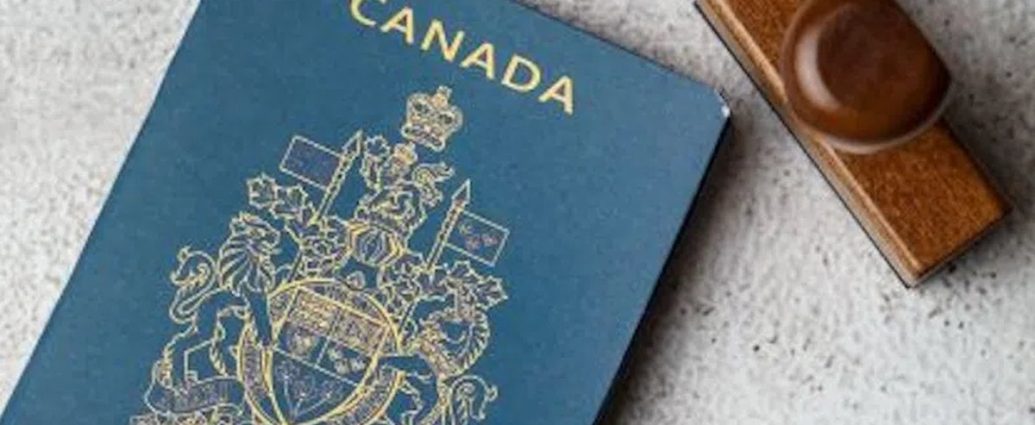
Canadian passport fees are jumping up starting March 31. That’s just three weeks from now.
The fee hike hits all passport and travel document applications processed after March wraps up. Been putting off that passport renewal? You’ll want to get moving if you don’t want to pay more.
New Fees Mean You’re Paying 25% More
The government’s locked in the exact dollar amounts now. We’re looking at a solid 25% jump across every passport type. This is the first big fee shake-up since 2019, when costs only went up 8%.
Right now, adult passports cost $120 for five years and $160 for the ten-year deal. Come April 1, those prices hit $150 and $200. Kids’ passports? They’re $57 for five years but that’s climbing to $75.
And it doesn’t stop there.
Express service costs an extra $50 today but that’s going to $65 after March 31.
Rush service for when you absolutely need to travel? That jumps from $110 to $140 on top of your regular passport fees.
Passport Canada handled about 4.7 million applications last year.
Under current fees, that brought in roughly $720 million. The new rates should pull in another $180 million annually – money they’re earmarking for system upgrades and better customer service.
“These fee adjustments reflect the true cost of delivering secure, reliable passport services to Canadians,” said Immigration Minister Marc Miller during a press conference last Tuesday. “We’ve absorbed rising operational costs for nearly five years, but we can’t continue subsidizing passport services through general tax revenue.”
That Money-Back Promise Is Finally Real
Here’s something good buried in all this: the money-back guarantee they’ve been promising forever is actually starting. This consumer protection thing has been in the works for 18 months. They announced it back in Budget 2022, and it’s launching right alongside the fee changes.
The guarantee kicks in when Passport Canada screws up and doesn’t meet their own published service standards. Regular service applications that drag on longer than 25 business days? You get your full fee back. Express service taking more than 15 business days? Same deal.
But hold on.
The guarantee won’t apply if delays happen because you messed up your application, forgot documents, or had issues with your paperwork (which, honestly, nobody saw coming). Internal processing backlogs, system crashes, or staffing problems at Passport Canada facilities though?
Those qualify you for refunds.
Processing times have been a real nightmare for travellers since that 2022 travel surge completely overwhelmed everything. That summer, average wait times stretched to 45 business days for regular service. Some applications took three months. The guarantee should help people who’ve had trips wrecked by unexpected delays.
“We’re putting our money where our mouth is on service delivery,” explained Passport Canada’s Director of Operations Sarah Chen. “If we don’t meet our commitments due to internal problems, Canadians shouldn’t have to pay for our mistakes.”
The program automatically issues refunds when processing times go over their standards. You won’t need to file complaints or fight through bureaucratic nonsense to get your money back.
Families Are Getting Hit Hard
These fee increases really slam Canadian families, especially if you’ve got multiple kids needing passport renewals. A family of four – two adults, two children – will now pay $450 for ten-year adult passports and five-year kid documents.
That compares to $354 under current rates.
That $96 difference works out to a 27% increase for your typical family.
And this is on top of travel costs that keep climbing. Statistics Canada data shows Canadian families spent an average of $3,200 on international travel in 2023. Passport fees now represent roughly 14% of total travel expenses.
Brutal.
Planning any international travel this year? Now’s the time to check when your passport expires. Lots of countries want at least six months of validity left, so don’t wait until the last minute. Popular spots like Mexico, the UK, and most European Union countries are strict about this six-month rule.
The timing creates problems for March Break travellers whose passports expire later this year. Anyone planning summer vacation to Europe or fall business travel should get renewals done immediately.
Processing times depend on which service level you pick. Regular service takes about 20 business days.
Express service gets your passport back in 10 business days for that extra fee (which, honestly, nobody saw coming). Rush service handles urgent travel needs within five business days.
The fee increase hits all passport services: new applications, renewals, replacements for lost or stolen documents, and name changes after marriage or other legal stuff.
Other Travel Documents Cost More Too
It’s not just passports getting pricier. Other travel documents are also jumping up, which creates barriers for some of Canada’s most vulnerable people:
- Certificate of Identity for non-citizens: $75 to $95
- Refugee Travel Document: $75 to $95
- Emergency travel documents issued abroad: $95 to $120
- Temporary passport for urgent travel: $190 to $240
These specialized documents serve people who can’t get regular passports because of citizenship status or emergency situations. Refugees, stateless persons, and permanent residents waiting for citizenship really depend on these alternative documents.
The Canadian Council for Refugees isn’t happy about the increases. They point out that many clients already struggle with financial barriers to travel documentation. The government says existing fee waiver programs for people with demonstrated financial hardship are still there.
Emergency travel documents – typically issued at Canadian consulates abroad when passports get lost or stolen – see the steepest percentage increases at roughly 26%. These unexpected costs can create serious problems for Canadians already dealing with travel emergencies overseas.
Why Everything Keeps Getting More Expensive
The fee increase reflects rising costs in government services, but what’s driving those costs tells an interesting story about modern passport production. Passport Canada has dumped $47 million into digital processing systems since 2021. That includes new biometric verification tech and enhanced security features.
The updated Canadian passport, introduced in 2019, has advanced anti-counterfeiting measures that cost about 15% more to produce than previous versions. We’re talking specialized inks, embedded security threads, and digital verification chips that meet international aviation security standards.
Labour costs drive fee increases too.
Passport Canada employs roughly 1,800 full-time staff across 35 regional offices, with wages increasing 12% since 2021 through collective bargaining agreements. They also maintain part-time and seasonal staff to handle peak travel periods.
Looking at other countries, Canadian passport fees remain competitive globally. United States passport fees increased to $165 for adult books in 2023. United Kingdom passports cost approximately $180 CAD at current exchange rates. Australia charges roughly $210 CAD for adult passports.
How to Beat That March 31 Deadline
Want to avoid paying higher fees? You need to submit your complete application before March 31. That means having all your paperwork ready, photos taken, and fees paid by the deadline.
Don’t forget the basics: you’ll need your completed application form, appropriate photos meeting current specs, proof of Canadian citizenship, and valid ID. If you’re renewing, bring your current passport. First-time applicants need birth certificates, citizenship certificates, or naturalization documents.
Service Canada locations across the country handle passport applications, plus roughly 300 designated Canada Post outlets. Some locations get swamped, especially as deadlines approach, so consider booking an appointment if that option’s available.
The processing clock starts ticking once Passport Canada receives your complete application at their Gatineau processing facility. Incomplete submissions get mailed back, which typically takes 5-7 business days each way. That means you’d likely miss the fee deadline and pay higher rates.
Photography requirements stay strict. Your photos must be taken within the last six months, show your full face clearly, and meet specific size and quality standards. Many applications get delayed because of photo issues, so use professional services familiar with passport requirements.
What’s Coming Next
This fee increase is just one part of bigger modernization efforts at Passport Canada. They’re planning to launch online renewal services for simple cases by late 2024. That could reduce processing times and administrative costs.
Digital passport books remain under consideration, though implementation timelines depend on international aviation agreements and security standards. The International Civil Aviation Organization continues developing global standards for digital travel documents.
The money-back guarantee represents a real policy shift toward customer service accountability. If it works well, similar guarantees might extend to other government services where processing delays cause problems for Canadians. Think immigration applications and tax refunds.
For most people, the passport fee increase won’t break the bank. But it’s another reminder that travel costs keep creeping up. Between higher fees, airline prices that jumped 18% in 2023, and currency exchange rates that saw the Canadian dollar lose 3% against major currencies, international travel stays expensive for Canadian families.
The government projects passport application volumes will reach 5.2 million in 2024. That’s driven by pent-up travel demand and the huge number of passports that expired during the pandemic.
This surge in applications should provide the revenue needed to fund service improvements and reduce processing times.
Bottom line: if you need a passport renewal or new application, get it done before March 31 to save money. The money-back guarantee is nice, but paying $50 less upfront beats getting a refund months later after missing your vacation.
Frequently Asked Questions
When do the new passport fees take effect?
The increased fees for Canadian passports and travel documents take effect on March 31, 2026.
What is the money-back guarantee for passports?
The guarantee provides fee refunds if Passport Canada delays your application due to their own processing issues, not incomplete documentation.
How can I avoid paying the higher fees?
Submit your complete passport application with all required documents and fees before March 31, 2026 to pay current rates.