
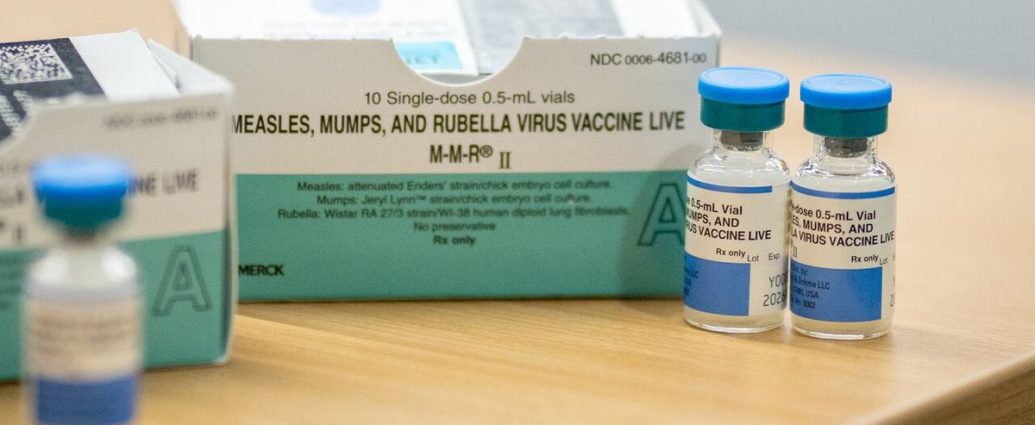
A kid in Durham Region who hasn’t been vaccinated just tested positive for measles. This is the first case they’ve seen in years, and now health officials are scrambling to warn everyone who might’ve been exposed.
Here’s the thing that’s got them worried: this child hit up multiple healthcare spots while contagious (sound familiar?). Durham Region Health is now playing detective, tracking down anyone who crossed paths with this kid between January 15-18, 2024.
We’re talking about a big deal here. Durham Region’s got roughly 695,000 people, and they haven’t seen measles since 2018. So yeah, this one case has everyone’s attention.
Where You Might’ve Been Exposed
Health folks have pinpointed exactly where this went down. The infected child showed up at Oshawa Urgent Care Centre on Simcoe Street North on January 16th. We’re talking 2:30 PM to 5:45 PM, and the kid was already showing symptoms.
But wait, there’s more.
Next day, January 17th, this child spent four solid hours camping out in the emergency waiting room at Lakeridge Health Oshawa. From 8:15 AM until 12:30 PM. During this whole time, the kid was basically a walking measles factory, potentially exposing dozens of other patients, visitors, and healthcare workers.
“We’re treating this as a high-priority exposure event because of the multiple healthcare settings involved and the length of time the patient spent in these facilities,” said Dr. Robert Kyle, Durham Region’s Medical Officer of Health. “Anyone who was present during these specific timeframes should monitor themselves closely for symptoms.”
Look, measles doesn’t mess around. If you’re in the same room as someone with measles and you’re not immune? You’ve got a 90% chance of catching it. And get this – the virus actually hangs around in the air for up to two hours after the infected person leaves the building.
Durham health officials are working overtime to track down everyone who was at these places during the danger zone. They’re going through security footage from both spots and checking patient logs. So far, they’ve identified about 150 people who might’ve been exposed.
The investigation team’s already contacted 73 people they found through appointment records and emergency logs. Contact tracers are pulling all-nighters to wrap up follow-ups within 72 hours.
- Confirmed case in unvaccinated child
- Exposure at Oshawa urgent care clinic January 16, 2:30-5:45 PM
- Lakeridge Health Oshawa emergency waiting room January 17, 8:15 AM-12:30 PM
- 150+ potential contacts identified
- First confirmed measles case in Durham Region since 2018
- Investigation ongoing with 72-hour contact tracing timeline
How This All Started
Public health detectives traced this back to international travel.
The family got back from a vacation in Eastern Europe on January 8th. And wouldn’t you know it, several countries over there are dealing with measles outbreaks right now.
Romania’s where they spent 10 days in late December and early January. That country reported 2,456 measles cases in 2023. That’s a 340% jump from the year before. The European Centre for Disease Prevention and Control has been waving red flags about measles transmission in Romanian cities, especially Bucharest, where this family was hanging out.
The timing works out perfectly with how measles operates.
This child probably picked up the virus sometime between December 28th and January 2nd while overseas. Symptoms started showing up January 14th – exactly 14 days after the likely exposure date.
First signs included a fever hitting 39.2°C (102.6°F), a nasty cough that wouldn’t quit, and a runny nose.
The classic measles rash showed up January 16th, starting on the kid’s face and neck before spreading to the rest of the body. By then, the child had already been contagious for about 48 hours.
Why Everyone’s Freaking Out
Canada basically wiped out measles through vaccination programs. The last time it spread naturally here was 1998. But we still get cases popping up now and then, usually from international travel or people who haven’t been vaccinated.
Ontario typically sees 5-15 imported measles cases each year (which, honestly, nobody saw coming). But 2023 was weirdly quiet – only 3 confirmed cases province-wide. This Durham case is the first Ontario measles detection of 2024.
The disease spreads through respiratory droplets when someone coughs, sneezes, or just talks. What makes measles so terrifying compared to other illnesses?
COVID-19 typically spreads to 2-3 people per infected person. Measles? We’re talking 12-18 people if nobody’s immune.
Symptoms usually show up 10-14 days after you’re exposed. We’re talking high fever reaching 40°C (104°F), brutal cough, runny nose, and red, watery eyes.
That telltale rash typically appears 3-5 days after symptoms begin, starting on your face and working its way down over 3-4 days.
“Measles is one of the most contagious diseases we deal with in public health. It can lead to serious complications including pneumonia in 6% of cases, brain inflammation in 1 in 1,000 cases, and death in approximately 1-2 per 1,000 infected individuals, particularly in young children under 5 and adults over 20,” said Dr. Kyle.
Before vaccines became common, measles infected pretty much every kid by age 15. In Canada, measles used to cause 300,000-400,000 cases every year back in the pre-vaccine days, killing about 400 people annually.
Vaccination Numbers Don’t Look Great
This case is shining a spotlight on vaccination coverage in Durham Region and across Ontario. Sure, 89% of kids in Durham have gotten both required MMR shots by age 7, but that’s still short of the 95% we need for community protection.
Recent data from Durham Region Health shows vaccination rates took a hit during the pandemic. Back in 2019, 92.8% of school-age children had complete MMR vaccination. By 2022? That dropped to 89.1%. We’re talking about roughly 4,200 kids who are either unvaccinated or missing doses.
Kids usually get their first MMR shot at 12-15 months and a second one between 4-6 years old.
This two-dose combo provides 97% protection against measles. Even one dose gives you 93% protection, but you need that second shot for immunity that’ll last.
The cost of MMR vaccination through Ontario’s public health program runs about $23 per dose.
So the complete two-dose series costs around $46 per child. That’s pretty good value when you consider measles treatment can run over $10,000 per hospitalized case.
Health officials have been keeping tabs on some troubling pockets where vaccination coverage is lower in certain Durham communities. Some neighbourhoods report MMR coverage rates as low as 78%.
Way below what we need to prevent outbreaks.
Vaccine hesitancy went up during COVID-19. Some families delayed or skipped routine childhood shots altogether. Public Health Ontario data shows MMR coverage dropped in 83% of health units between 2019-2022.
What Durham Parents Need to Know
Think your child might’ve been exposed? Don’t panic, but pay attention. Watch for symptoms over the next 18 days. We’re talking high fever above 38.5°C, persistent cough, runny nose, and red, irritated eyes.
Here’s the important part: don’t just show up at a doctor’s office or emergency room if you suspect measles. Call ahead first. Healthcare facilities need to set up airborne precautions and isolate suspected cases right away to stop further spread.
If your child develops symptoms, they’ve got to stay home and avoid contact with everyone until a healthcare provider gives the all-clear. People with measles are contagious from four days before the rash shows up until four days after it develops.
That’s about 8-9 days total of being infectious.
Check your child’s vaccination records right now. Durham Region families can verify immunization status through their healthcare provider or by calling Durham Health at 905-668-7711. If kids are missing doses or you’re not sure about their status, you can get catch-up vaccination appointments within 48 hours.
Babies under 12 months are especially vulnerable since they can’t get MMR vaccination yet. Parents of infants should be extra careful about exposure to anyone showing cold-like symptoms, especially with fever.
The financial hit from measles infection can be pretty substantial for families. Kids typically miss 1-2 weeks of school, and parents often need time off work during the infectious period. About 20% of measles cases end up in hospital, with average costs ranging from $8,000-$15,000.
How Hospitals Are Responding
Durham Region’s response to this case shows just how seriously public health takes measles prevention. The investigation involves contact tracing, exposure notifications, and coordination with healthcare facilities across the region.
Lakeridge Health kicked their measles response protocol into gear immediately after getting confirmation from the provincial lab on January 19th. This includes beefed-up screening procedures at all four Lakeridge hospitals and airborne isolation protocols for any suspected respiratory illness cases.
Healthcare workers at the affected sites are getting their immunity status checked out. All 247 staff members who worked at the Oshawa facilities during exposure periods have to provide proof of vaccination or immunity through blood testing. Workers who can’t show immunity have to stay off work for 21 days following their last potential exposure.
The cost of this outbreak response is running somewhere between $125,000-$200,000 for Durham Region. That includes contact tracing, lab testing, healthcare worker screening, and public communications. These costs really drive home why prevention through vaccination remains the smartest strategy.
Hospitals are reviewing their isolation procedures and making sure they’ve got proper protocols for suspected measles cases. This means negative pressure rooms with specialized air filtration systems that exchange air 12 times per hour, and strict personal protective equipment requirements for all staff entering patient rooms.
The Bigger Picture
This isn’t just Durham’s problem. Ontario recorded 19 measles cases in 2022, 8 cases in 2023, and this Durham case is the first of 2024. Most cases involve either unvaccinated people or those who traveled internationally to areas with active measles transmission.
Public Health Ontario keeps tabs on measles surveillance across all 34 health units and coordinates responses when cases threaten to spread across boundaries. The province spent about $2.3 million on measles outbreak responses in 2022.
Globally, measles cases jumped by 18% in 2022. We’re talking an estimated 9 million infections and 136,000 deaths worldwide. Europe reported 42,200 measles cases in 2023 – the highest number since 2019. Part of that’s due to disruptions in routine vaccination during COVID-19.
Countries currently dealing with major measles outbreaks include Kazakhstan (13,677 cases), Russia (8,954 cases), and several African nations where vaccination coverage stays below 70%. These global patterns create ongoing risk for imported cases in Canada.
Planning International Travel? Listen Up
If you’re planning international travel with kids, vaccination timing becomes critical. The Public Health Agency of Canada recommends making sure MMR vaccination is complete at least 2 weeks before departure.
Infants aged 6-11 months can get early MMR vaccination before international travel. They’ll still need routine doses at 12 months and 4-6 years though. This early dose costs about $45 when you get it privately through travel clinics.
Travel insurance claims related to measles infection abroad averaged $23,000 in 2023. That covers medical treatment, emergency evacuation, and extended accommodation costs. Most policies require proof of appropriate vaccination to provide full coverage.
Reality check: measles is still endemic in many countries despite being preventable through vaccination. The World Health Organization estimates that measles vaccination has prevented 56 million deaths globally since 2000. But progress has stalled in recent years.
Parents planning travel should talk to healthcare providers 4-6 weeks before departure to make sure all family members have appropriate protection. This is especially important for destinations in Eastern Europe, Central Asia, and parts of Africa where measles continues circulating.
Durham parents should check their children’s vaccination records immediately. And if you were at either healthcare facility during those specified exposure times? Contact Durham Health. Early identification of potential cases is the key to preventing wider community spread.
Frequently Asked Questions
How contagious is measles compared to other diseases?
Measles is extremely contagious, with a 90% infection rate for unvaccinated people exposed to the virus, much higher than COVID-19 or flu.
What are the early symptoms of measles?
Early symptoms include high fever, cough, runny nose, and red, watery eyes, appearing 10-14 days after exposure and before the characteristic rash develops.
Should I bring my child to the doctor if I suspect measles exposure?
Call ahead first rather than visiting directly, as healthcare facilities need to take special isolation precautions to prevent measles from spreading to other patients.