
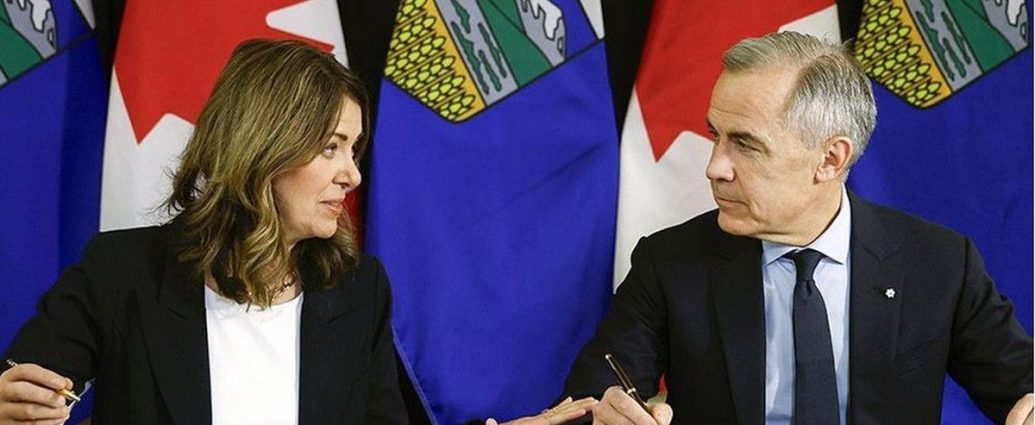
Alberta just pulled off what might be its biggest regulatory win in years. The province and feds have hammered out a deal that gives Alberta way more control over how major projects get the green light.
The agreement, dropped today, basically rewrites the playbook for how energy projects, pipelines, and other massive infrastructure gets vetted in Canada’s energy capital. Instead of Ottawa running the show from start to finish, Alberta’s now got the power to handle its own environmental reviews for projects that would normally fall under federal oversight.
We’re talking about projects worth roughly $47 billion that are sitting in various stages of federal review right now across Alberta. Under the old setup, major projects were looking at average review times of 720 days. Some assessments? They’ve been dragging on for over three years.
So What’s Really Different Now?
Here’s where things get pretty interesting from a regulatory angle.
Right now, projects like pipelines, mines, and major energy facilities have to jump through hoops with both federal and provincial approvals. The Canadian Environmental Assessment Agency handles federal reviews while Alberta runs its own thing on the side. It’s messy.
The new setup flips that whole dynamic (at least on paper). Alberta can take point on assessments for projects that hit certain benchmarks, with Ottawa keeping an eye on things but backing off from the day-to-day grind of managing reviews.
It’s kind of like when a big company gives one of its divisions more autonomy. The head office (Ottawa) still owns the final call, but the regional office (Alberta) gets to handle the nuts and bolts. Streamlines everything without completely tossing federal environmental standards out the window.
Projects that qualify for this new process include oil sands operations pumping out more than 10,000 barrels daily, conventional oil and gas facilities processing over 500 cubic meters per day, mining ops affecting more than 50 hectares, and renewable energy projects cranking out over 200 megawatts.
Getting Into the Weeds
The deal covers something called “substitution” under federal environmental law. Basically, if Alberta’s assessment process ticks all the federal boxes and meets their standards, Ottawa will take Alberta’s review and call it good for federal requirements too.
For projects to make the cut, they’ve got to fall into specific categories and hit technical thresholds. We’re looking at oil and gas developments, mining projects, major infrastructure builds, and renewable energy installations that would normally trigger reviews from both levels of government.
There’s also stuff in there about joint panels when both governments have skin in the game. But here’s the kicker: Alberta gets to pick 60% of panel members compared to the old 50-50 split. That gives the province way more influence over timelines and what gets looked at.
Alberta Environment Minister Rebecca Schulz thinks the new system will cut average assessment times by 35%, bringing most major project reviews down to under 450 days. The province’s committing to keeping 127 full-time positions focused on environmental assessment work – that’s a 23% bump from current staffing.
How We Got Here
The timing’s no accident here.
Alberta’s been pushing for more control over resource development since 2019, especially as the province tries to brand itself as a clean energy leader while keeping its oil and gas sector humming.
Tough spot.
Things really started moving after 18 months of back-and-forth that picked up steam following the 2021 federal election. Premier Danielle Smith made regulatory autonomy a big campaign promise, and federal Environment Minister Steven Guilbeault was getting heat from Western MPs to find some middle ground.
The province’s been arguing that having both federal and provincial reviews creates pointless delays and jacks up costs, making Canadian projects less competitive. When you’re going head-to-head with Texas or North Dakota for energy investment dollars, every month of regulatory delay hurts.
“The current system has been creating bottlenecks that hurt both industry and communities waiting for economic opportunities. We’ve seen projects worth $12 billion shelved or moved to other jurisdictions over the past five years because of regulatory uncertainty,” said Alberta Energy Minister Brian Jean during today’s announcement.
From a nuts-and-bolts perspective, this could slice months or even years off major project timelines. That’s huge when you’re dealing with billion-dollar infrastructure investments where financing costs chew up millions every month of delay. Industry number-crunchers figure regulatory delays cost major projects an average of $2.3 million monthly in carrying costs and lost revenue.
Industry’s Take
Energy companies have been quietly pushing for exactly this kind of setup for years. The dual review system’s been a constant headache, especially for projects that cross provincial lines or touch federal lands.
The Canadian Association of Petroleum Producers figures streamlined approvals could free up $28 billion in stalled investments over the next decade. That includes 14 major oil sands projects currently sitting on ice and 31 conventional drilling programs waiting for regulatory clarity.
But it’s not just traditional energy getting a boost. Renewable projects like wind farms and solar installations often get tangled up in the same regulatory mess.
A cleaner process could really accelerate Alberta’s clean energy buildout. The province’s identified 47 renewable energy projects totaling 8,200 megawatts of capacity that could move faster under the new system.
Mining companies are watching this closely too.
Alberta’s sitting on significant mineral resources that could be key for battery production and clean tech manufacturing. Faster approvals might make these projects way more attractive to international money.
“This agreement removes a major competitive disadvantage we’ve faced against U.S. States and other provinces. We expect to see immediate interest from companies that had written off Alberta due to regulatory complexity,” said Tim McMillan, president of the Canadian Association of Petroleum Producers.
Environmental Groups Weigh In
Environmental groups are keeping a close watch on this, and reactions are all over the map. Some see it as Ottawa dumping responsibility without keeping proper oversight.
Others point out that Alberta’s environmental assessment process has actually gotten pretty solid over the past decade.
The big question’s whether Alberta will stick to the same standards that federal reviews would’ve applied (for better or worse). The agreement’s got provisions for federal monitoring and Ottawa can jump back in if standards start slipping.
There are also worries about cumulative effects assessment. When you’ve got multiple projects in the same area, like the oil sands, somebody needs to look at the big picture. The deal includes mechanisms for regional assessments, but we’ll see how well those work in practice.
Alberta’s promised to do full regional assessments every five years, starting with the oil sands region in 2025. These assessments will examine air quality, water resources, wildlife populations, and Indigenous rights across multiple projects and geographic areas.
The Environmental Law Centre’s raised concerns about enforcement capabilities, noting that Alberta’s environmental enforcement budget got chopped by 18% between 2019 and 2022. However, the new agreement includes federal funding of $67 million over four years to beef up provincial assessment and monitoring capacity.
Indigenous Communities Factor
Indigenous consultation stays a critical piece of the new system. The agreement specifically requires Alberta to meet or beat federal standards for Indigenous engagement, including early heads-up, capacity funding, and bringing traditional knowledge into the mix.
First Nations and Métis communities have expressed cautious optimism about faster project approvals but want guarantees that consultation won’t get rushed or treated like a checkbox exercise. The new system includes dedicated funding of $23 million over three years for Indigenous capacity building and participation in environmental assessments.
Several Indigenous communities have existing revenue-sharing deals with resource companies and see potential benefits from faster project development. But others worry that streamlined processes could reduce their influence over projects affecting traditional territories.
The agreement sets up Indigenous advisory committees for each major assessment and guarantees minimum consultation periods of 90 days for projects affecting traditional territories, regardless of overall timeline pressures.
Political Scorecard
This is a big political win for Alberta, which has been demanding more provincial autonomy for years. It’s the kind of concrete progress that plays well with voters who feel like Ottawa’s been micromanaging the province’s resource sector.
For the federal government, it’s a way to address Western alienation concerns without completely abandoning environmental oversight. It’s a calculated compromise that could ease tensions while maintaining some federal role in environmental protection.
The deal also sets a precedent that other provinces will likely want to follow. Saskatchewan Premier Scott Moe’s already indicated his province will seek similar arrangements, while British Columbia’s reviewing its options for forestry and mining projects.
Not ideal.
Federal officials acknowledge this could be the template for broader constitutional discussions about resource jurisdiction. Quebec’s had similar arrangements for hydroelectric projects since 2004, but this represents the most full delegation of federal environmental authority to date.
Money Talk and Investment Climate
Economic analysts predict the deal could boost Alberta’s GDP by 0.8% annually over the next five years, mainly through faster project development and reduced regulatory costs. The province expects to create approximately 12,000 direct jobs and 28,000 indirect positions as stalled projects move forward.
International investors have been watching Canadian regulatory processes closely, with several major European pension funds citing approval delays as factors in their reluctance to invest in Canadian energy infrastructure. This agreement addresses those concerns head-on.
The Calgary Chamber of Commerce estimates that reduced regulatory uncertainty could bump foreign direct investment in Alberta’s energy sector by 25% within three years. That translates to roughly $4.2 billion in new capital flowing into the province.
When Does This Actually Happen?
The agreement needs to go through a formal regulatory process before it kicks in. We’re looking at several months of consultations, regulatory drafting, and approvals before the new system’s fully up and running.
Implementation rolls out in phases starting January 2025. Phase one covers oil and gas projects, phase two adds mining and infrastructure projects by July 2025, and phase three includes renewable energy projects by January 2026.
Projects already stuck in the federal review system won’t automatically transfer to provincial jurisdiction.
But new applications filed after each phase takes effect will be eligible for the streamlined process. Right now, 23 major projects worth $8.7 billion are positioned to be among the first to benefit from the new system.
Both governments are setting up a joint implementation team to work out technical details and make sure the transition goes smoothly. This includes developing new guidelines for industry and establishing monitoring systems to track how well the new arrangement works.
The federal government keeps the right to review the arrangement after three years and can pull delegation authority if Alberta doesn’t meet agreed standards. Performance metrics include assessment timelines, environmental outcomes, Indigenous consultation quality, and public participation levels.
Bottom line? This could be a real big deal for major project development in Alberta.
If it works like it’s supposed to, expect other provinces to push for similar deals. If it doesn’t, expect plenty of finger-pointing and calls to go back to the old system.
For anyone involved in major project development in Alberta, now’s the time to start figuring out how this new system will work and what it means for your planning timeline. The province plans to host industry briefings starting next month to explain the transition process and new requirements.
Frequently Asked Questions
What types of projects will be covered under this new agreement?
The deal covers oil and gas developments, mining projects, major infrastructure, and renewable energy installations that normally require both federal and provincial reviews.
Will environmental standards be lowered under Alberta’s review process?
The agreement requires Alberta to maintain federal environmental standards, with Ottawa retaining oversight and the ability to intervene if standards slip.
When will this new system take effect?
The agreement needs several months of regulatory processing and consultations before becoming operational, with new projects being eligible after formal implementation.