
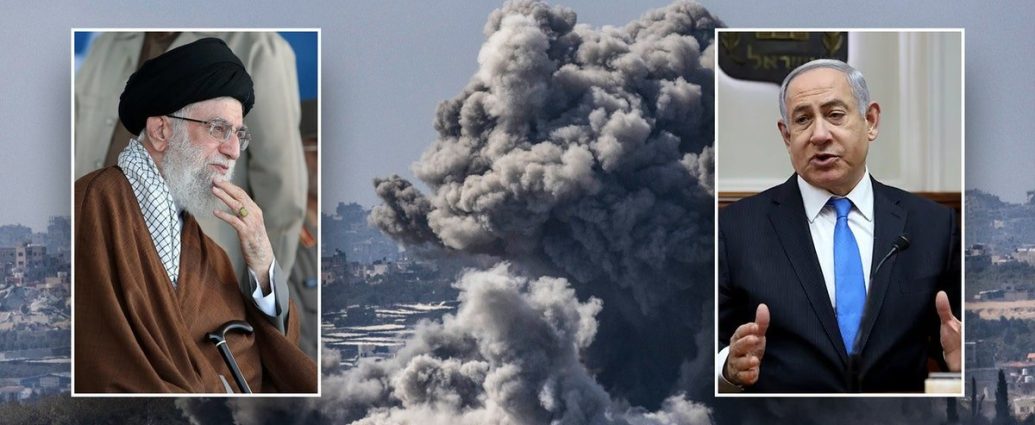
What happens when a regional conflict thousands of kilometres away starts messing with your grocery bill and what you’re paying at the pump?
With Iran heading into full-scale warfare, Canadians might figure they’re safe from all that chaos (shocking, I know). Think again.
Those ripple effects from Iranian conflict don’t just stop at some imaginary line on a map. Canada’s economy is all tangled up with the world, our energy imports are tied to global markets, and our security systems mean whatever goes down in the Middle East is gonna show up in some pretty weird places back home.
Your Gas Bill’s About to Get Ugly
Oil markets absolutely hate uncertainty. And they really, really hate war anywhere near the Persian Gulf.
Iran’s got control over roughly 20% of global oil that moves through the Strait of Hormuz, and if anything goes sideways there, crude prices go nuts. Canadian drivers have been through this before. International markets get spooked, gas stations change their prices that same day. We’re looking at sustained conflict that could easily push gasoline past $2.00 per litre in Toronto, Vancouver, Montreal. Diesel’s gonna follow right behind.
But here’s the thing most folks don’t get: Canada actually sells more oil than we buy from other countries. We’re not sitting around waiting for Iranian crude to keep the lights on. Problem is, oil gets traded like any other commodity around the world, so even the stuff we dig up in Alberta gets priced based on what’s happening everywhere else.
Natural gas? Same story. Iran’s sitting on massive gas reserves, and if European markets start scrambling for alternatives, they’re gonna bid up LNG prices globally. That eventually hits Canadian heating bills, especially if you’re heating your house with natural gas.
Food’s Getting More Expensive Too
Grocery bills were already killing Canadian families before any of this war stuff started. Now throw in higher fuel costs hitting every single step of how food gets from farms to your kitchen table.
Transportation costs jump when diesel prices go up.
Farms that use natural gas to make fertilizer face higher costs. Food processing plants that need tons of energy to run their operations watch their profit margins disappear.
Look, the connection between energy prices and food getting more expensive isn’t rocket science: when it costs more to grow stuff, process it, and truck it around, somebody’s gotta pay for that. And that somebody is you.
Imported food takes the biggest beating.
Those oranges from California, avocados from Mexico, bananas from South America? They all cost more to ship now. Processed foods with ingredients coming from six different countries see costs pile up at every step.
Even stuff grown right here in Canada isn’t safe. Greenhouse operations burn through natural gas for heating, especially when it’s -20°C outside in February. Grain elevators use serious energy to dry and store crops. Cattle and hog operations pay more for feed when corn and soybean prices spike because everyone’s worried about global supplies getting cut off.
Brutal.
Hackers Are Coming for Everything
Iran’s been running cyber attacks for years, and warfare tends to make them a lot more aggressive about going after targets. Canadian infrastructure, businesses, government systems – they’re all gonna be in the crosshairs.
Energy sector’s basically wearing a target on its back.
Power grids, oil refineries, pipeline control systems – all of these look pretty attractive to state-sponsored hackers who want to mess up the economy. Canada’s electricity grid is hooked up to the US system, so attacks here could shut down power in Detroit or Buffalo too.
Banks and financial services? Another weak spot. Payment processors, trading systems, credit card networks – they handle millions of transactions every day. Even if hackers only shut things down for a few hours, that could freeze up commerce and make everyone panic.
Healthcare learned during COVID just how much they depend on computers and internet connections. Hospitals with electronic health records, medical devices connected to wifi networks, doctors doing video calls with patients – it’s all vulnerable to attack.
Government’s been quietly beefing up cybersecurity, but private companies are way behind. Small businesses especially don’t have the money for serious cyber defense, which makes them easy targets for ransomware.
Supply Chains Are Gonna Get Messy Again
Remember how hard it was to buy stuff during the pandemic? Supply chains were just getting back to normal when this whole Iran situation blew up.
Now they’re dealing with a completely new set of problems that go way beyond oil and gas.
Shipping routes through the Red Sea and Suez Canal could become war zones or get blocked completely.
Ships having to go around Africa instead adds weeks to delivery times and costs a fortune. Container shipping rates just got stable again, and now they might spike all over again.
Manufacturing’s gonna hurt bad. Lots of industrial processes need specific chemicals, metals, or parts that either come from the Middle East or have to travel through there to get to North America. Canadian manufacturers are gonna be scrambling to find new suppliers.
Auto industry knows exactly how this goes.
Not great.
Car manufacturing depends on parts from dozens of countries, so problems anywhere can shut down entire assembly lines. Car dealers who finally got inventory back on their lots might watch it disappear again.
Electronics and tech gadgets face the same issues. Iran doesn’t make iPhones or laptops, but regional fighting affects shipping lanes that carry goods from China, South Korea, and Taiwan to stores in Canada.
Your Money’s About to Get Weird
Financial markets hate uncertainty more than anything else, and wars create uncertainty like nothing else can (to put it lightly). The Canadian dollar usually gets weaker during global crises because investors dump everything to buy US dollars, which they think are safer.
Weaker loonie means imports cost more. Electronics, clothes, food from other countries – Canadian consumers end up paying extra for anything made somewhere else.
Stock markets get crazy volatile. Energy companies might see their share prices go up because oil and gas cost more, but pretty much every other industry faces higher costs and customers who don’t know what’s coming next.
Interest rates could stay high longer because central banks worry about inflation from energy and food price spikes. That means mortgage rates, business loans, credit cards – everything costs more to borrow.
Anyone with retirement savings or investment portfolios gets thrown around by market swings. If you’re close to retirement or living off investment income, extended market craziness is really bad news.
More People Are Gonna Need Help
Canada’s always taken in refugees from war zones, and Iranian warfare would probably displace tons of civilians. Government’s gonna face pressure to accept more refugees while figuring out how to help them settle in.
Processing refugee claims takes a lot of government workers and money.
Housing, healthcare, schools, social services – they all face more demand. Provincial governments, who actually deliver most of these services, could see their budgets get stretched pretty thin.
Labour markets might actually benefit long-term from more immigration, but short-term costs are real. Language classes, getting foreign credentials recognized, job placement programs – all of that needs funding and coordination.
Iranian-Canadian communities that are already here could face mixed situations. Families with relatives back home are stressed and worried. But established communities usually help new arrivals figure out how things work in Canada.
Defence Spending’s About to Jump
Regional wars have this way of making governments spend way more money on military and security stuff. Canada’s defence budget was already under pressure to hit NATO spending targets, and this could push it even higher.
Military equipment purchases might get fast-tracked. Stuff that was supposed to be bought over five years could happen in two. Personnel recruitment and training programs could expand quickly.
Spies and security agencies typically get bigger budgets during international crises. More resources for watching threats, protecting infrastructure, working with allied countries.
But that money has to come from somewhere. Infrastructure projects, social programs, healthcare funding – they all compete with security spending for the same tax dollars.
And here’s the thing: conflicts change international relationships for decades. Trade patterns shift, alliance structures evolve, economic dependencies get reconsidered.
Canadian foreign policy and economic strategy will have to adapt to whatever new reality comes out of this mess.
Frequently Asked Questions
How quickly will gas prices rise in Canada due to the Iran war?
Gas prices typically adjust within hours of international oil market disruptions, potentially pushing gasoline past $2.00 per litre during sustained conflict.
Will Canada face direct cyber attacks from Iran?
Canadian infrastructure, energy systems, and financial services could become targets as Iran typically expands cyber operations during wartime conflicts.
How will the Iran conflict affect Canadian grocery prices?
Food costs will rise due to higher transportation and energy costs affecting the entire supply chain, with imported goods seeing the biggest price increases.