
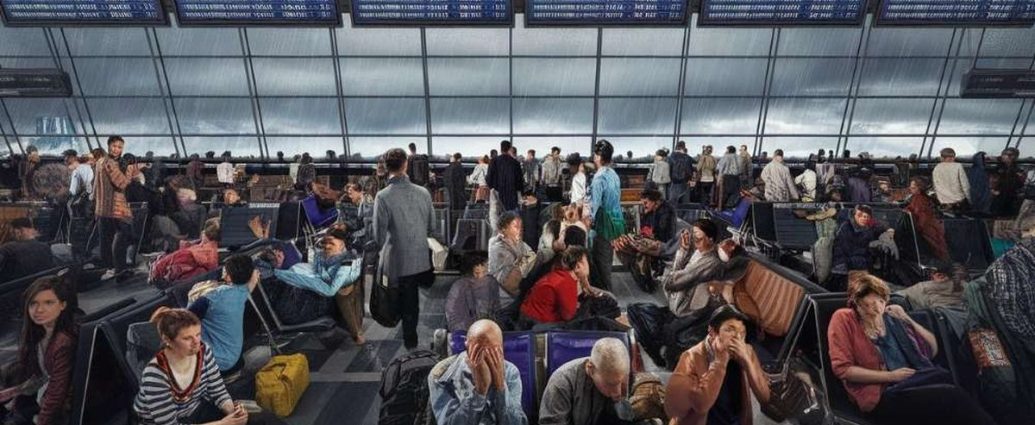
Canada’s air travel system got absolutely pummeled today. We’re talking 486 flight delays and 100 cancellations across major airports from Toronto to Vancouver, leaving thousands of passengers stuck in what’s turning into one of the messiest travel days of the year.
What’s behind all this chaos?
A nasty combination of weather conditions that’s got airlines playing catch-up with their schedules. Heavy rain, flooding throughout Southwest Ontario, and winds hitting 50 km/h in British Columbia have transformed Canada’s busiest airports into complete disaster zones.
Pearson Airport Is Having a Really Bad Day
Toronto Pearson International is getting the worst of it today.
And honestly, if you’re supposed to fly through YYZ today, you probably should’ve just stayed home (and that’s putting it mildly). The airport’s reporting 226 delays and 19 cancellations, making it ground zero for Canada’s flight disaster.
These weather conditions aren’t just messing with domestic flights either (no, seriously). That red-eye to London you booked? Don’t hold your breath. The quick hop to Montreal?
Better grab a coffee and get comfortable because you’ll be waiting a while.
Here’s some context that’ll make you wince. When you’ve got 226 delays at a single airport in one day, that’s genuinely awful. Pearson usually handles about 1,300 flights daily, so we’re looking at nearly 18% of all flights running late. That’s the kind of gridlock that makes grown airport managers cry.
The money side of this mess is pretty staggering too.
Flight delays typically cost airlines anywhere from $2,000 to $8,000 per hour depending on how big the plane is, so today’s chaos at Pearson alone could easily hit $3 million in direct costs. And that doesn’t even count passenger compensation, crew overtime, or the nightmare of rebooking everyone.
What makes today extra painful is the timing. Thursday afternoon departures include all those important business routes and international connections that feed into evening flights across the Atlantic. When those get screwed up, it creates this domino effect that’s gonna mess with Friday’s schedule too.
“We haven’t seen disruption levels this high since the winter storms back in February,” said a Toronto Pearson operations coordinator who didn’t want their name used. “The rain, wind, and reduced visibility combination is creating perfect storm conditions for delays.”
Out West Is Getting Hammered Too
Calgary International isn’t doing much better, with 66 delays and 33 cancellations so far today. The mix of heavy rain and strong winds has made it really tough for planes to maintain their approach patterns, and the ground crews are dealing with some pretty dangerous conditions out there.
Vancouver International is seeing 85 delays and 25 cancellations because of heavy rainfall and visibility that’s basically non-existent. When pilots can’t see the runway clearly, planes don’t take off. Pretty simple math. The Pacific weather system that’s been beating up BC isn’t showing any signs of backing down, which means things could get even worse as the day goes on.
Temperature’s been holding steady around plus 4°C in the region, but those 50 km/h wind gusts are what’s really causing the headaches.
Aircraft have pretty strict rules about crosswinds, and when you go beyond those limits, flights get grounded. Period.
Calgary’s situation is extra frustrating because the airport dropped $2.1 billion on infrastructure upgrades over the past decade specifically to handle bad weather better. Today’s numbers show that even fancy runway drainage systems and improved approach lighting can’t beat Mother Nature when she’s really determined to mess with your day.
The economic impact in Alberta is massive. Calgary works as a major hub for oil and gas executives travelling between Houston, Denver, and international destinations. When those connections get disrupted, it affects business operations worth millions in energy sector deals and negotiations that can’t wait.
Airlines Taking the Worst Beating
Air Canada’s getting hit the hardest operationally, which makes sense considering their market share.
They’re dealing with 14 cancellations and 138 delays across their entire network. That’s 28% of all delays today, but they also run the most flights, so the percentage impact isn’t as brutal as what some smaller carriers are facing.
WestJet and WestJet Encore are struggling big time too. WestJet’s got 16 cancellations and 45 delays, while WestJet Encore is seeing 20 cancellations and 35 delays.
For Encore specifically, those numbers represent a huge chunk of their daily operations, which usually focus on smaller regional routes that are getting absolutely destroyed today.
But here’s where the data gets really interesting. Jazz, which operates under the Air Canada banner, has 7 cancellations and 46 delays.
For a regional carrier, those numbers suggest their shorter routes are getting hit way harder than the bigger planes by these weather conditions.
“The smaller aircraft we use on regional routes are way more sensitive to crosswinds and visibility issues,” explained a WestJet Encore pilot who didn’t want their name used. “What might be totally manageable for a 737 becomes a complete no-go situation for our Dash 8s.”
PAL Airlines is reporting 5 cancellations and 21 delays, while Porter Airlines has 3 cancellations and 30 delays. Even Air Inuit, which normally operates in some pretty rough conditions, is seeing 1 cancellation and 27 delays today.
The financial math here is just insane.
Not great.
Air Canada’s 138 delays, assuming they’re averaging about 90 minutes each, could cost the carrier roughly $4.2 million in direct operational expenses. That includes crew overtime, fuel costs for planes sitting on the tarmac, gate fees, and passenger compensation under Canada’s Air Passenger Protection Regulations.
What This Means Going Forward
Regional carriers are facing different problems though. Their smaller planes have lower operational costs per hour but also bring in less revenue per flight. A 2-hour delay on a Jazz flight might cost $3,000 in direct expenses but could represent 15% of that route’s daily profit margin. That’s a big hit for smaller operations.
Montreal and the East Coast Join This Mess
Montreal-Trudeau International isn’t getting away from this disaster either, with 65 delays and 18 cancellations. The rainy conditions there are really impacting short-haul flights, where visibility requirements are way more strict during takeoff and landing.
Halifax International has 34 delays and 4 cancellations.
That might seem pretty manageable compared to the chaos happening in Toronto or Calgary, but for Atlantic Canada’s main hub, those numbers represent serious disruption to how people travel throughout the Maritimes.
Even Kuujjuaq, way up in northern Quebec, is seeing 10 delays and 1 cancellation. When weather conditions are bad enough to impact flights in the Arctic, you know you’re dealing with a serious weather event that’s affecting the entire country.
Montreal’s situation shows the bigger challenges with Quebec’s aviation infrastructure. The airport handles about 20 million passengers every year, making it Canada’s third-busiest hub.
Today’s 65 delays represent roughly 12% of typical daily operations, but the economic impact goes way beyond just aviation problems.
Montreal works as a really important connection point for European flights, especially to Paris, London, and Frankfurt. When weather disrupts these international connections, it doesn’t just affect individual travelers but also cargo operations, mail delivery, and time-sensitive business shipments worth millions of dollars that companies are depending on.
What Weather System Is Causing All This Chaos
This isn’t just random bad weather hitting Canada. We’re experiencing what meteorologists call a “cross-continental weather event” where multiple storm systems are interacting across different climate zones at the same time. Southwest Ontario’s flooding comes from a low-pressure system that started in the American Midwest, while British Columbia’s winds are coming from a Pacific storm that’s been building strength for three days straight.
Environment Canada issued weather warnings 48 hours ahead of time, but the intensity went way beyond their initial predictions. Wind speeds hit 65 km/h in some areas, well above the forecast maximum of 50 km/h.
That 15 km/h difference might not sound like much, but it’s enough to push conditions beyond safe operating limits for lots of different aircraft types.
The flooding in Southwest Ontario is especially problematic because it’s affecting ground transportation to airports. Passengers can’t get to their flights, and airline crews can’t reach airports for shift changes. This creates staffing shortages that make weather-related delays even worse than they already are.
Temperature variations are playing a role too. The plus 4°C reading in affected areas sits right at the point where precipitation can switch between rain and ice pellets. That uncertainty forces air traffic controllers to use more conservative spacing between aircraft, reducing runway capacity by up to 30%. Which means even fewer flights can take off and land when conditions are already terrible.
What All This Means If You’re Trying to Travel
If you’re stuck in today’s mess, here’s the reality you’re facing. Airlines have to provide meal vouchers for delays over 4 hours and hotel accommodations for overnight delays, but with this many flights affected, those resources get stretched really thin really fast.
Your best strategy right now? Check your airline’s mobile app constantly. Most carriers have switched to push notifications for delay updates, and you’ll get information way faster than standing in line at customer service. Air Canada’s app usually updates delay information every 15 minutes during weather events, while WestJet tends to batch their updates every 30 minutes.
For rebooking, don’t just stick with your original airline. When weather causes widespread cancellations, most carriers waive change fees and let you rebook on partner airlines. WestJet has interline agreements with Air Canada for situations exactly like this one.
The passenger compensation rules are complicated but really important to understand.
Under Canada’s Air Passenger Protection Regulations, weather-related delays don’t trigger automatic compensation payments, but airlines still have to provide food, accommodation, and rebooking at no extra charge to you. The key is knowing your rights and keeping track of your expenses.
Business travelers are facing particular challenges today.
Lots of corporate travel policies require employees to take the first available flight, but with rebooking backlogs stretching into next week, companies are having to make exceptions. Some firms are already switching to video conferences for meetings scheduled Friday and Monday.
Here’s the frustrating part though.
This weather system was predicted 48 hours in advance. Environment Canada issued warnings for heavy rain and winds, but airlines still schedule flights right up until conditions become unsafe. It’s a business decision that maximizes revenue but leaves passengers holding the bag when Mother Nature doesn’t want to cooperate.
How This Affects the Whole Country’s Economy
Today’s flight chaos goes way beyond just inconvenienced passengers. Canada’s aviation system moves about $35 billion worth of goods every year, and weather events like this create supply chain bottlenecks that can stick around for weeks.
The tourism industry takes an immediate hit. Hotels in destination cities see last-minute cancellations, while airports in affected cities have to deal with stranded passengers needing unexpected places to stay. Vancouver hotels reported a 15% spike in same-day bookings by 3 PM today, mostly from travelers whose connections got cancelled and now need somewhere to sleep.
Cargo operations face even bigger problems than passenger flights.
FedEx, UPS, and Purolator depend on really precise timing to meet next-day delivery promises. When weather messes up air cargo schedules, packages get rerouted to ground transportation, which adds 1-2 days to delivery times and increases costs by up to 40%. That’s a big deal for businesses depending on those shipments.
The business aviation sector, which often gets overlooked when people talk about commercial delays, faces unique problems during widespread weather events. Corporate jets and charter flights can’t rely on the rebooking networks that commercial passengers can use. When a CEO’s flight from Calgary to Toronto gets cancelled, there aren’t many alternatives for moving a $50 million deal forward on schedule.
With conditions expected to stick around through the evening, don’t expect things to get better until tomorrow morning at the earliest. Weather delays have this really annoying habit of cascading into the next day as airlines work to get crews and aircraft back where they need to be. The full economic impact of today’s disruptions won’t be clear until early next week, but early estimates suggest costs could go over $15 million across all affected carriers and airports combined.
Frequently Asked Questions
Which Canadian airports are most affected by flight delays today?
Toronto Pearson has the most disruptions with 226 delays and 19 cancellations, followed by Vancouver with 85 delays and Calgary with 66 delays.
What’s causing all the flight delays and cancellations in Canada?
Severe weather including heavy rain, flooding in Southwest Ontario, and winds gusting up to 50 km/h in British Columbia are the primary causes.
How can passengers get updates on their delayed flights?
Airlines recommend using their mobile apps for the fastest updates, as they typically refresh delay information every 15-30 minutes during weather events.