The drums of war in the Middle East are beating louder, and your wallet’s about to feel it. With tensions escalating into actual conflict involving Iran, we’re looking at ripple effects that’ll hit Canadian households in ways you might not expect.
Sure, everyone knows gas prices go up when there’s trouble in oil-producing regions. But this goes way deeper than what you’ll pay at the pump.
We’re talking mortgage rates, grocery bills, your investment portfolio, and even your job security.
Here’s the real talk on how this Middle East mess could mess with your money.
Gas Prices Are About to Get Ugly
Let’s start with the elephant in the room.
Iran produces about 3.8 million barrels of oil per day, and when that supply gets threatened or cut off, global prices spike hard. We’ve already seen crude jump 15% in just the past week as markets price in potential supply disruptions.
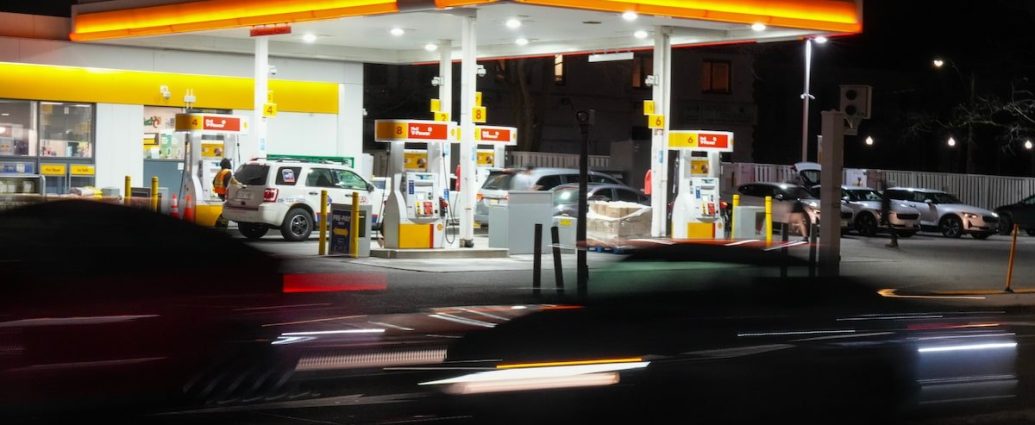
Thing is, this translates directly to pain at the gas station. Every $10 increase in crude oil typically adds about 7 cents per litre to gasoline prices.
So if oil stays elevated at current levels, you’re looking at an extra $6-8 every time you fill up your tank.
That’s roughly $300-400 more per year for the average driver.
But here’s where it gets interesting from a Canadian perspective. While we’re getting hammered on gas prices, our oil-producing provinces are basically printing money. Alberta’s budget projections assumed oil at $74 per barrel.
With prices now hovering around $95, that’s a massive windfall for provincial coffers (at least on paper). The province could see an additional $8-10 billion in resource revenues if prices stay elevated.
Which, honestly, nobody saw coming six months ago.
Your Mortgage Just Got Way More Expensive
This is the part most people aren’t seeing coming. War and geopolitical tensions don’t just affect oil, they make central banks nervous about inflation. The Bank of Canada was finally getting comfortable with rate cuts after battling inflation for two years.
Now? All bets are off.
Higher oil prices feed directly into inflation numbers.
Energy costs ripple through transportation, shipping, and manufacturing. If inflation starts creeping back up toward 4% or 5%, the Bank of Canada might have to pump the brakes on rate cuts or even consider raising rates again.
The reality is that sustained oil price increases of this magnitude could add 0.5 to 0.8 percentage points to Canada’s inflation rate over the next six months.
For homeowners, this could mean variable rate mortgages stay higher for longer. If you were banking on rates dropping to 3.5% or 3% by year-end, you might be waiting until 2027. On a $500,000 mortgage, every additional percentage point costs you about $416 more per month in payments.
Let that sink in.
That’s a lot of money.
The Grocery Bill Problem Nobody’s Talking About
Energy costs don’t just hit you at the gas station (not a typo). They’re baked into everything you buy, especially food.
Transportation costs for getting goods to market, refrigeration, processing, packaging, it all runs on energy.
Canadian grocers are already dealing with supply chain pressures from previous geopolitical tensions. Now they’re facing another round of increased logistics costs just as consumers were starting to see some relief from food inflation.
The agricultural sector is particularly vulnerable. Fertilizer prices, which had finally stabilized after the Russia-Ukraine disruptions, could spike again. Iran and its regional allies are significant players in phosphate and potash markets. Farmers facing higher input costs will eventually pass those along to consumers.
Expect to see groceries climb another 2-3% over the next few months if the conflict drags on. That might not sound like much, but for a family spending $200 weekly on groceries, it’s an extra $300-450 per year.
And honestly? That adds up fast. Markets hate uncertainty, and war is uncertainty on steroids.
Your Investments Are Taking a Beating
The TSX has already dropped 4% since tensions escalated, with energy stocks ironically being some of the few bright spots. Suncor and Canadian Natural Resources are up 12% and 8% respectively. But the broader market selloff is hitting everything else.
Tech stocks, financials, consumer discretionary, they’re all getting hammered as investors flee to safe havens like government bonds and gold.
If you’ve got a balanced portfolio, you’re probably looking at paper losses of 5-8% so far.
The bigger concern is what happens to Canadian pension funds and retirement accounts. The Canada Pension Plan Investment Board holds significant international equity positions that are taking a beating. While long-term investors shouldn’t panic, anyone planning to retire in the next few years is watching their nest egg shrink.
Currency markets are also in flux. The Canadian dollar has actually strengthened against the US dollar (thanks to higher oil prices), but it’s weakening against traditional safe havens like the Swiss franc and Japanese yen.
This makes imported goods more expensive for Canadians.
Job Worries Are Starting to Surface
Here’s where things get tricky for employment. Higher energy costs typically slow economic growth as consumers have less disposable income for everything else.
Businesses facing higher operating costs often respond by freezing hiring or cutting staff.
The sectors most at risk are those with thin margins and high energy dependencies. Manufacturing, retail, hospitality, and transportation could all see job losses if the conflict drags on and energy prices stay elevated.
On the flip side, Canada’s energy sector is hiring aggressively. Alberta’s unemployment rate could drop to levels not seen since the oil boom of 2012-2014. But these jobs are concentrated in specific regions and require specific skills.
The bigger worry is what economists call the “wealth transfer effect.” When energy prices spike, money flows from energy-importing regions (like Ontario and Quebec) to energy-exporting regions (Alberta, Saskatchewan, Newfoundland). This can create regional economic imbalances that take years to correct.
Which isn’t great if you live in Toronto or Montreal.
What This Means for Your Taxes
Wars cost money, even when you’re not directly involved. Canada’s defence spending is already under pressure to meet NATO targets, and geopolitical instability tends to accelerate military procurement.
There’s also the question of energy security. The federal government might fast-track pipeline projects or renewable energy initiatives to reduce dependence on volatile global oil markets. These infrastructure investments, while potentially beneficial long-term, require significant upfront capital.
Provincial governments face their own pressures. While Alberta benefits from higher oil revenues, provinces like Ontario face higher costs for everything from heating government buildings to fueling transit systems.
This fiscal squeeze often gets passed down through reduced services or higher taxes.
The federal carbon tax becomes even more contentious when energy prices are already elevated.
Political pressure to suspend or reduce the tax will intensify, potentially derailing climate policy goals. And let’s be honest, that’s exactly what’s happening in Parliament right now.
So What Happens Next?
The honest answer is that nobody knows how long this conflict will last or how severe the economic impacts will be.
But history gives us some clues. The 1990-1991 Gulf War saw oil prices spike from $17 to $42 per barrel before crashing back down when the conflict ended quickly. The 2003 Iraq invasion created a more sustained period of elevated prices.
If this follows the Gulf War pattern, we might see relief by summer.
But if it drags on like Iraq, we could be looking at elevated energy costs well into 2027. The wildcard is how other major oil producers respond. If Saudi Arabia and the UAE increase production to offset Iranian supply disruptions, prices could moderate faster than expected.
Smart money is hedging their bets. Some analysts are recommending Canadians lock in fixed-rate mortgages while rates are still relatively reasonable. Others suggest building up emergency funds to weather potential job market volatility.
Look, the one thing that’s certain is that global energy markets are entering a period of increased volatility. Canadian households are going to feel every swing in oil prices through their wallets, mortgage payments, and investment accounts.
If you’re commuting on the 401 tomorrow, maybe think about carpooling. This could get expensive fast.
Frequently Asked Questions
How much will gas prices increase due to the Iran conflict?
Gas prices could rise 15-20 cents per litre if oil stays at current elevated levels, costing the average driver an extra $300-400 annually.
Will the Bank of Canada raise interest rates because of this?
The Bank may delay planned rate cuts or consider increases if oil-driven inflation pushes the rate back above 3-4%.
Which Canadian provinces benefit from higher oil prices?
Alberta could see $8-10 billion in additional resource revenues, while Saskatchewan and Newfoundland also benefit from elevated energy prices.