What happens when a president loses the biggest trade case in decades, then doubles down with new tariffs the same day?
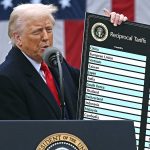
You get today’s mess. Trump’s 10% global tariffs officially kicked in this morning after he signed an executive order Friday night, just hours after the Supreme Court struck down his original “Liberation Day” tariffs.
The new duties hit everything from Canadian lumber to Japanese electronics. But here’s the thing: Trump’s already threatening to bump them up to 15%. Let’s back up.
On Friday, the Supreme Court ruled Trump’s sweeping tariffs under the International Emergency Economic Powers Act were illegal. That’s a big deal.
Supreme Court Throws a Wrench
The ruling means over $100 billion in tariff payments could flow back to importers in the coming months. Companies like FedEx are already lining up in court demanding refunds.
Trump’s response? Sign new tariffs under a different law before most people had their morning coffee.
The president used Section 122 of the Trade Act of 1974 this time. That gives him power to impose tariffs up to 15% for 150 days to address trade deficits. After that, Congress has to approve any extension.
The original “Liberation Day” tariffs, imposed in early 2025, covered roughly $2.3 trillion worth of global imports. The Supreme Court’s 6-3 decision effectively wiped out what Trump called his signature trade achievement, leaving a gaping hole in his protectionist agenda just months before the midterm elections.
The legal battle centred on whether Trump could use emergency economic powers to impose broad tariffs without specific congressional authorization. The Court ruled he couldn’t, setting up today’s frantic scramble to find alternative legal justification.
When 15% Is Just Around the Corner
Look, the 10% rate isn’t the end of it. Trump’s team is reportedly working on raising the levy to 15% right now.
That would hit Canadian exports hard. We’re talking lumber, oil, wheat, you name it. A 15% tariff on Canadian goods means higher costs for American consumers, but also fewer sales for Canadian producers.
The math is stark: Canada exported $429.8 billion worth of goods to the US in 2025. Even the current 10% tariff could add $43 billion in costs that someone has to absorb. Bump it to 15%, and you’re looking at $64.5 billion in additional trade friction.
People close to the White House say Trump’s considering the 15% hike as early as next week. The president’s been telling allies he won’t let the Supreme Court “tie his hands” on trade policy.
“The decision will have wide-ranging ramifications, affecting global trade, consumers, companies, inflation and the pocketbooks of every American,” said a senior administration official who requested anonymity.
Worth noting: Trump’s also dealing with an affordability crisis heading into midterms. His administration has already started rolling back some metal tariffs to try to keep prices down. Steel tariffs dropped from 25% to 18% last month, while aluminum duties fell from 10% to 7%.
The contradiction is obvious (yes, really). Roll back some tariffs to fight inflation, then slap new ones on everything else. It’s economic whiplash that’s making both supporters and critics dizzy.
Europe Isn’t Playing Ball
The European Union isn’t happy. EU lawmakers postponed ratifying their trade deal with the US, saying they need “full clarity” on Trump’s next moves.
An EU assessment found Trump’s new tariffs likely violate their existing agreement. That’s diplomat-speak for “this breaks our deal.”
The postponed EU vote was supposed to happen this Wednesday (sound familiar?). The trade deal, worth an estimated $180 billion annually, would have reduced barriers on everything from automobiles to agricultural products. Now it’s in limbo.
Japan’s not thrilled either. Trade Minister Ryosei Akazawa asked the US to make sure Japan doesn’t get worse treatment than what they agreed to last year.
“We expect the United States to honour our bilateral agreements and ensure that any new measures don’t undermine the progress we’ve made together,” Akazawa told reporters in Tokyo on Monday.
Here’s where it gets interesting: every country Trump made a trade deal with is now wondering if those agreements are worth the paper they’re printed on. The Japan deal, signed in October 2025, was supposed to lock in preferential treatment for $127 billion in annual bilateral trade.
Mexico and South Korea are also reviewing their agreements. Both countries have filed formal complaints with the World Trade Organization, though the WTO’s dispute resolution system remains largely toothless after years of American obstruction.
China, notably, hasn’t said much.
That’s probably because they’re still subject to separate tariffs that weren’t affected by Friday’s Supreme Court ruling. Those duties, averaging 21% across Chinese imports, remain in place under different legal authorities.
The Real Hit for Canadians
If you’re wondering how this hits home, it’s pretty straightforward.
Higher tariffs mean higher prices.
Canadian companies exporting to the US will either eat the 10-15% cost or pass it along to American buyers. Most will pass it along. That makes Canadian goods less competitive.
Forestry companies are already feeling it. Canfor Corporation, one of Canada’s largest lumber producers, saw its stock drop 8% on Monday. The company ships about $2.1 billion worth of lumber to the US annually. A 15% tariff would cost them $315 million unless they raise prices.
Oil and gas exporters are watching nervously. Canada ships roughly 3.8 million barrels of oil to the US daily, worth about $387 million at current prices. Even a 10% tariff adds $38.7 million in daily costs to the cross-border energy trade.
The energy sector’s particularly vulnerable because pipelines make it hard to quickly find alternative buyers. You can’t just redirect oil from Texas refineries to European customers overnight.
Not ideal.
Even tech companies selling software services could get caught up if Trump expands the definition of “goods.” The digital services trade between Canada and the US hit $47 billion last year, mostly flowing south.
The bigger picture: Canada does about $430 billion in trade with the US annually. Even a 10% tariff on a chunk of that adds up fast.
Canadian manufacturers are already adjusting. Magna International, the auto parts giant, announced Monday it’s reviewing supply chains to minimize cross-border shipments. The company’s US operations generated $23.4 billion in revenue last year.
And then there’s this: if American consumers pay more for everything, they buy less stuff overall. That hurts Canadian companies even if they’re not directly hit by tariffs.
What This Means Going Forward
The Canadian dollar dropped to 71.2 cents US on Tuesday, its lowest level since September. Currency markets are betting the tariffs will reduce demand for Canadian exports, weakening the loonie further.
Court Cases Coming Fast
Honestly, this isn’t over.
Trump’s using Section 122 to justify the tariffs by claiming a balance-of-payments crisis.
Some economists say that crisis doesn’t exist. The US current account deficit was $876 billion in 2025, or about 3.1% of GDP. That’s actually lower than the 3.4% average of the past decade.
If they’re right, these tariffs could face the same legal challenges that just killed the last batch. The administration’s also launching new national security investigations to try to justify broader tariffs. That’s the backup plan if the trade deficit argument falls apart in court.
Section 232 investigations into steel, aluminum, and uranium are already underway. The Commerce Department has 270 days to complete each review, potentially setting up new tariffs in late 2026.
But wait: companies are already suing for refunds on the old tariffs. FedEx filed papers demanding every penny back from the “Liberation Day” duties. The shipping giant paid an estimated $340 million in tariffs since the original duties took effect.
Legal experts expect a flood of similar lawsuits. The National Association of Importers estimates its members paid $847 million in now-illegal tariffs over the past 13 months.
The refund process could take years and cost the Treasury billions in interest payments. Meanwhile, the government keeps collecting new tariffs under the Section 122 authority.
Walking the Political Tightrope
Trump spent the weekend furiously responding to the Supreme Court ruling.
The quick pivot to new tariffs shows how important this issue is to his political brand.
Thing is, tariffs are a tricky political weapon. They might sound tough, but they make everything more expensive for voters.
With midterms coming up and inflation still a problem, Trump’s walking a tightrope. Too many tariffs and consumers revolt. Too few and his base thinks he’s gone soft.
Internal polling shows Trump’s approval rating on trade policy at 47%, down from 54% last summer. The drop correlates with rising grocery and housing costs that many economists link to tariff-driven inflation.
Republican senators from agricultural states are getting nervous. Iowa’s Chuck Grassley, up for reelection, said Monday he’s “concerned about the impact on farmers.” Corn and soybean exports to China remain depressed from earlier trade wars.
Democrats smell opportunity.
They’re planning to make tariffs a central campaign issue, arguing Trump’s trade policy amounts to a tax on working families. The average American household paid an estimated $1,277 more for goods in 2025 due to various tariff policies.
US Customs and Border Protection stopped collecting the old tariffs on Monday. Starting today, they’re collecting the new 10% levy instead.
The agency processed $67.3 billion worth of imports on Monday alone. Under the new tariffs, that represents $6.7 billion in potential duties, though many goods qualify for exemptions.
Trade lawyers are working overtime to help clients deal with the transition. Some companies are air-freighting goods to beat tariff deadlines, adding to supply chain costs.
When Economics Gets Messy
The 150-day clock starts now.
By July, Congress will have to decide whether to extend these tariffs or let them expire. Nobody’s buying that this administration will just let them quietly disappear.
Stock markets opened mixed Tuesday, with import-heavy retailers falling while domestic manufacturers gained. Walmart dropped 2.3% while Caterpillar rose 1.8%. The Dow Jones Industrial Average closed up 127 points, but the Russell 2000 small-cap index, more sensitive to trade disruptions, fell 0.7%.
Inflation expectations are already rising. The 10-year breakeven inflation rate jumped to 2.87% Tuesday, the highest since November. Federal Reserve officials are watching nervously, having just started cutting interest rates after a long battle against post-pandemic inflation.
The tariff uncertainty’s freezing some business investment plans. Capital goods orders fell 1.4% in January, the third consecutive monthly decline. Companies are waiting to see which tariffs stick before committing to new equipment purchases.
Consumer confidence surveys show mixed results. While some Americans support the “America First” rhetoric, others worry about higher prices on everything from electronics to clothing. The Conference Board’s consumer confidence index dropped 3.2 points in February.
All this economic turbulence plays out against a backdrop of global uncertainty. European markets fell overnight on tariff concerns, while Asian markets showed resilience, partly because many countries already faced US trade barriers.
The bottom line: Trump’s tariff gambit creates winners and losers, but the overall economic impact remains negative according to most mainstream economists. Whether voters see it that way in November depends largely on how quickly prices rise and whether the administration can credibly blame other factors for any economic pain.
For now, importers are adjusting to the new reality while lawyers prepare for fresh legal challenges. The only certainty is more uncertainty as the 150-day countdown begins.
Frequently Asked Questions
How do Trump’s new tariffs affect Canada?
The 10% global tariffs hit Canadian exports to the US, potentially making them 10-15% more expensive and less competitive in American markets.
Why did Trump impose new tariffs after the Supreme Court ruling?
Trump used a different law (Section 122 of the Trade Act) to impose 10% tariffs after the Supreme Court struck down his previous tariffs as illegal.
How long will these tariffs last?
The tariffs can last up to 150 days under current law, after which Congress must approve any extension.