
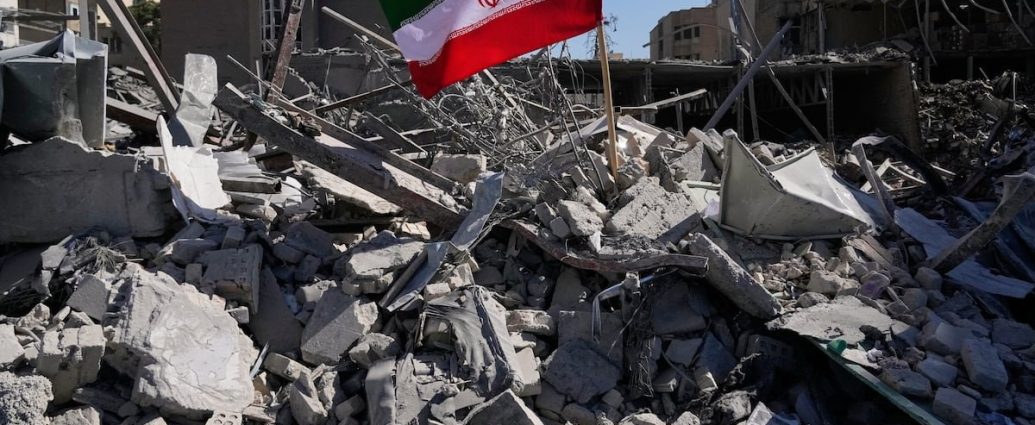
Canada’s sitting in the crosshairs of what could turn into a serious cyber warfare campaign.
The Canadian Centre for Cyber Security just released a bulletin warning that Iranian payback will “very likely” include cyberattacks hitting Canadian infrastructure.
Power grids, water systems, government networks, the whole nine yards. And the timing? It’s pretty terrible. That ties into Colorectal Cancer Hitting Younger Canadians at ‘Alarming Rate’ as well.
Why Iran’s Got Canada in Its Sights
This is where things get complicated.
The US and Israel launched a joint military operation against Iran on Saturday, and Iran’s already hitting back with missiles and drones across the Middle East. Canada might be way out of range of Iranian missiles, but we’re definitely not safe from their cyber crews.
“Pro-Iran hacktivists will likely view Canada as a target.. Due to Canada’s public support of the U.S./Israel military activity.”
The cyber security centre isn’t sugar-coating this. They’re putting it at 75 to 89 per cent probability that Iranian cyberattacks are coming. That’s not if, that’s when.
For Canada specifically? They’re saying 60 to 74 per cent chance we’re on the target list.
Those aren’t odds you’d want to bet your pension on.
Iran’s Digital Playbook
Let me walk you through what Iran’s hackers actually do, because we’re not talking about teenagers in their parents’ basement here.
Iranian state-sponsored groups are known for hunting poorly secured critical infrastructure networks around the world. They’re opportunistic, if your security sucks, you’re getting hit.
The bulletin lays out exactly what Canadian targets should expect. Energy grids and government networks are the crown jewels, but they’re also running harassment campaigns against military personnel, diaspora communities, and political activists.
We’re talking doxxing, threats, the whole intimidation toolkit. Translation? If you’ve been loud about Iranian government policies, maybe it’s time to beef up your digital security.
“We assess that Iranian cyber threat actors will likely target opponents abroad, especially those advocating for regime change in Iran.”
The Tech Side Gets Scary
Here’s what makes this particularly worrying from a technical angle. Iran’s cyber capabilities have exploded over the past decade.
We’re way past basic website defacements now.
Iranian Advanced Persistent Threat groups like APT35 and APT34 have proven they can maintain long-term access to compromised networks, sometimes for years before anyone catches on. They’re patient, methodical, and they know how to move through networks once they’re inside.
Big deal.
The really scary part? Canada’s 2025-26 threat assessment report says Iranian cyber actors “likely have access to computer networks in Canada, including critical infrastructure.” That suggests they’re already inside some systems, just waiting for the right moment.
All Those Connected Gadgets
One thing the bulletin specifically calls out is “internet-connected devices around the world.” That’s IoT stuff, industrial control systems, smart city infrastructure. Basically, all the gear that got hooked up to the internet for convenience but never got properly locked down.
Iranian groups have a track record with industrial control systems. Remember the 2013 attack on that small dam in New York? Iranian hackers testing their capabilities.
Now picture that scaled up to Canadian water treatment plants or power distribution networks.
Canada’s Already Crowded Threat Picture
The timing of this warning is brutal because Iran’s joining an already packed field of state-sponsored cyber threats targeting Canada. The 2025-26 threat assessment report lists Iran alongside China and Russia as “the greatest strategic cyber threats to Canada.”
But Iran’s approach is different (shocking, I know). China focuses on long-term intelligence gathering. Russia goes for maximum chaos. Iran tends to be more reactive and retaliatory. They hit back when they feel cornered. Right now, they’re definitely feeling cornered.
“Iran’s increasing willingness to conduct disruptive cyberattacks beyond the Middle East, and its persistent efforts to track and monitor regime opponents through cyberspace present a growing cybersecurity challenge for Canada and our allies.”
The key phrase there’s “beyond the Middle East.” Iranian cyber operations used to be mostly regional. Now they’re going global, and that expansion includes Canada in a big way.
Critical Infrastructure as Fair Game
When cybersecurity experts talk about critical infrastructure, they mean the stuff that keeps society running (shocking, I know). Energy, water, transportation, healthcare, finance.
The backbone systems that, if they go down, create cascading problems across the entire country.
Iran’s shown they’re willing to target these systems during conflicts. The assessment is blunt about this reality: “We assess that our adversaries very likely consider civilian critical infrastructure to be a legitimate target for cyber sabotage in the event of a military conflict.”
That’s a 75 to 89 per cent confidence level that Iran sees civilian infrastructure as fair game. Power plants, water treatment facilities, transportation networks. All potentially on the target list.
What Regular Canadians Should Expect
So what does this actually mean if you’re not running a power plant or government network? Honestly, quite a bit.
First, expect potential service disruptions. If Iranian hackers do manage to compromise critical infrastructure, we could see power outages, water system problems, or transportation delays. Think of it as collateral damage from a cyber conflict we didn’t start but can’t avoid.
Second, if you’re part of the Iranian diaspora in Canada or you’ve been publicly critical of the Iranian government, your personal digital security just became way more important. Iranian hackers target individuals as well as infrastructure.
The Government Response Team
The Canadian Centre for Cyber Security operates under the Communications Security Establishment, which is basically Canada’s NSA equivalent. They handle cybersecurity and foreign signals intelligence.
They don’t issue warnings like this lightly.
The fact that they’re being this public about the threat suggests they’re seeing actual intelligence indicating attacks are coming. Agencies like CSE usually prefer to work behind the scenes, so when they’re issuing public bulletins, the threat level has crossed a significant threshold.
Those probability ranges they’re using (75-89% for Iranian cyberattacks generally, 60-74% for Canada as a target) come from their formal threat assessment methodology. These aren’t wild guesses, they’re based on signals intelligence, cyber threat indicators, and analysis of Iranian capabilities and intentions.
The Bigger Picture Nobody Talks About
This cyber threat doesn’t exist in a bubble.
The US-Israel military campaign that triggered Iran’s retaliation represents a serious escalation in Middle Eastern tensions. While Canada isn’t directly involved in the military action, our public support for the campaign makes us a legitimate target in Iran’s view.
Iranian proxy groups and sympathetic hacktivists see this as an opportunity to strike back at Western allies without the risk of direct military confrontation. Cyber warfare offers plausible deniability and lower escalation risks compared to conventional attacks.
The challenge for Canada is that we’re caught in the middle of a conflict that’s primarily between other nations, but our alliance relationships and public positions make us a target anyway.
It’s the price of being part of the Western security architecture.
What makes this particularly complex is that Iran operates through multiple layers of cyber actors. There are official government hackers, semi-official groups with government backing, and independent hacktivists who align with Iranian interests but operate somewhat autonomously.
That makes attribution difficult and response options limited.
“Canadian critical infrastructure operators and other possible targeted entities should remain vigilant to threats posed by cyber actors aligned with Iranian interests.”
The phrase “aligned with Iranian interests” is doing a lot of work there. It includes everyone from official Revolutionary Guard cyber units to freelance hackers who just hate Western foreign policy.
That’s a much broader threat surface than dealing with a single, centralized adversary.
And honestly?
That’s what makes this whole situation so unpredictable. When you’re dealing with official state actors, there’s at least some level of rational calculation involved. But when you throw in loosely affiliated hacktivists who might not care about escalation consequences, things can spiral pretty quickly.
Frequently Asked Questions
What is the probability of Iranian cyberattacks against Canada?
Canada’s cyber security agency assigns a 75-89% probability that Iranian cyberattacks will occur, with a 60-74% chance Canada will be specifically targeted.
What Canadian systems are most at risk from Iranian hackers?
Critical infrastructure including energy grids, water systems, government networks, and internet-connected devices are primary targets according to the security bulletin.
Why is Iran targeting Canada with cyberattacks?
Iran views Canada as a target due to Canada’s public support of US-Israel military activity, making Canadian infrastructure and individuals potential retaliation targets.