
What if cancer could literally be eaten alive from the inside? That’s what researchers at the University of Waterloo have figured out how to do, and it’s pretty wild when you think about it.
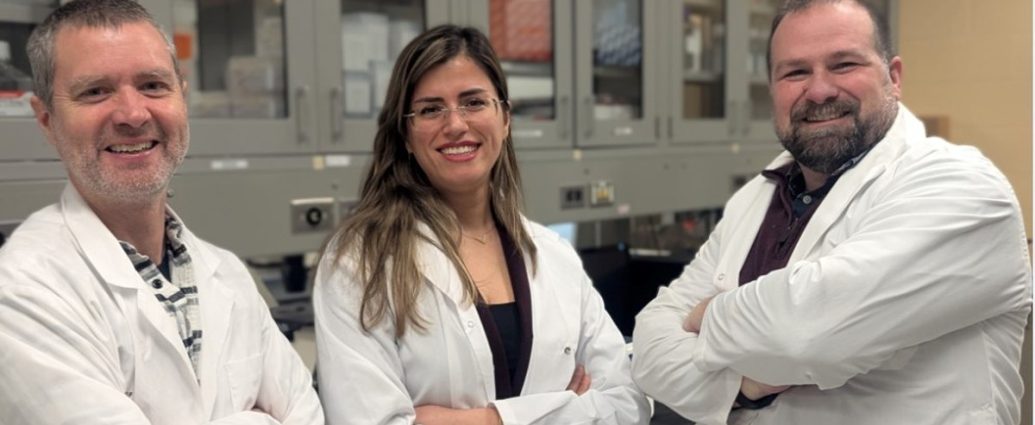
Dr. Marc Aucoin, a Chemical Engineering Professor, has been working on this for years. Here’s the thing though – using bacteria to fight cancer isn’t exactly new. But his team found something really clever: they’re using Clostridium sporogenes, which is this bacteria that can’t survive around oxygen.
And tumours? They’re basically oxygen-free zones.
Why Zero-Oxygen Spots Are Perfect for This
The science is actually kind of beautiful when you break it down.
Most bacteria need oxygen to live, which is why your blood (packed with oxygen) usually kills these things off. But tumours are different beasts entirely. As they grow bigger, they outpace their blood supply. Creates these dead zones where oxygen levels hit almost zero.
For most living things, that’s game over. For Clostridium sporogenes? It’s like finding the perfect apartment.
“The tumour’s a nice little spot where it’s nice and cozy for this bacteria, and so once the spore gets into that spot it realizes hey, this is a great place to grow, and starts colonizing that area,” Aucoin explained.
They’re using bacteria from regular soil (no, seriously). Nothing fancy or cooked up in some lab from scratch.
But here’s where the DNA modification comes in.
They’ve made it way better at surviving around the edges of tumours where there’s still some oxygen floating around. So the modified bacteria can chomp through the whole growth, not just the dead center.
Took years to nail down these genetic tweaks. Had to make sure the bacteria could handle all the different oxygen levels you find throughout various types of tumours.
Solid tumours typically run oxygen concentrations from 0.1% to 2%. Compare that to normal tissue at 3% to 5%. Creates what researchers call hypoxic zones – basically perfect breeding grounds for anaerobic bacteria like Clostridium sporogenes.
How They Actually Get This Stuff Inside You
Treatment works through injection near where the tumour’s hanging out. Since the bacteria won’t grow in oxygen-rich blood, it just sits there waiting until it finds what it’s looking for.
Once it hits the tumour and recognizes those perfect zero-oxygen conditions?
Game on. The spores wake up and start taking over the cancerous tissue. They literally eat the tumour from inside, using cancer cells as their lunch.
It’s like sending in a demolition crew that only works in exactly the right spot.
The injection involves about 1 million bacterial spores per milliliter shot directly into tissue around the tumour. Within 24 to 48 hours, spores start waking up in the low-oxygen parts of the tumour.
Lab studies show the bacteria can eat up to 85% of tumour mass within two weeks of moving in. The process creates waste products that don’t hurt healthy cells but are toxic to any leftover cancer cells.
Dr (sound familiar?). Sara Sadr used to be a doctoral student at Waterloo and led a lot of this research.
She tracked the bacteria’s progress using fluorescent markers. Her work showed that modified Clostridium sporogenes could get into tumour centers measuring up to 4 centimeters across.
Make of that what you will.
When Will Real People Actually Get This Treatment?
Don’t hold your breath for next month.
Aucoin’s being realistic about timing – clinical trials are still three to four years out, assuming they keep getting funded. For actual cancer patients to receive this treatment? We’re talking about five years minimum.
That might sound like forever, but it’s actually pretty quick for this kind of breakthrough. Getting from lab bench to hospital bedside takes time, especially when you’re dealing with engineered bugs that’ll be injected into cancer patients.
“That’s another tool in our arsenal against a very complicated and deadly disease. It won’t be the cure all, but it will be another tool in the toolbox, and we need all the tools we can get,” Aucoin said.
This represents years of work from the whole team.
PhD student Bahram Zargar and Dr. Sara Sadr put in serious time on this. The project’s gotten $2.3 million in funding from the Canadian Cancer Society and the Natural Sciences and Engineering Research Council since 2019.
Phase I clinical trials should start late 2029. They’ll involve 30 to 50 patients with advanced solid tumours that haven’t responded to regular treatments. Main focus will be figuring out safe doses and watching for bad reactions.
If Phase I goes well, Phase II studies with 200 to 300 patients could begin around 2031. Full regulatory approval might come by 2034 if everything works out.
This Could Really Shake Up Cancer Treatment
Here’s what makes this different from everything else out there.
Chemo and radiation blast both cancerous and healthy cells, which is why they make you feel so terrible. Surgery needs accessible tumours and skilled surgeons. And sometimes you just can’t get to where the cancer is.
This bacterial thing works more like a smart bomb. The bacteria only wakes up and grows in the specific environment that tumours create. Healthy tissue with normal oxygen levels? The bacteria just passes right through without doing anything.
That specificity is what could change everything. You’re basically programming a living weapon to recognize and attack only cancerous tissue while leaving everything else alone.
Current treatments have real problems. Chemo only works 60% to 70% of the time and often needs multiple rounds costing between $10,000 and $200,000 per patient. Radiation can damage healthy tissue around the target and doesn’t work well for tumours deeper than 15 centimeters from the surface.
This bacterial approach could potentially treat tumours no matter where they’re or how big they get. Early cost estimates put treatment between $15,000 and $25,000 per patient. That’s competitive with what’s already out there.
Opens up possibilities for treating tumours that are impossible to reach surgically or just don’t respond to traditional therapies. If you can inject the bacteria somewhere in the general area, it should find its way to the oxygen-starved tumour on its own.
The Engineering Nightmare That Made This Possible
Finding bacteria that likes zero-oxygen environments wasn’t the hard part. Clostridium sporogenes has been doing that in soil for millions of years. The real challenge? Engineering it to actually work against cancer specifically.
DNA modification was important here. The team had to soup up the bacteria’s ability to survive in those transition zones where tumours meet healthy tissue.
Those areas aren’t completely oxygen-free, but they’re not fully oxygenated either.
Without that modification, bacteria might only attack the very center of tumours. Leave cancerous cells around the edges that could regrow later. The enhanced version can handle those mixed-oxygen environments and eat the entire growth.
Genetic modifications involved sticking in three specific genes that produce enzymes capable of breaking down the extracellular matrix surrounding cancer cells. Lets the bacteria dig deeper into tumour tissue and reach areas that were previously protected by the tumour’s natural barriers.
Dr. Brian Ingalls, a systems design engineering professor who worked on this, developed computer models to predict how bacteria would behave in different tumour environments. His simulations showed unmodified bacteria could only reach 40% of tumour mass. The engineered version could access up to 95%.
Think upgrading software to handle weird edge cases. Basic functionality was already there, but they needed to make it tough enough for real conditions inside the human body.
What Happens If Something Goes Wrong?
Working with engineered bacteria raises obvious safety questions. What if it mutates or spreads beyond where it’s supposed to go? The Waterloo team built in multiple safety nets.
First, the bacteria is engineered to depend on specific nutrients only found in tumour environments. Without these nutrients, bacteria can’t survive longer than 72 hours.
Second, they’ve got what’s called a “kill switch” built into the DNA modifications. Doctors can flip this switch with a simple antibiotic injection. Causes all the bacteria to die within 24 hours if needed.
Testing in lab animals showed no bad effects when bacteria was injected into healthy tissue. The organisms stayed dormant and got cleaned up by the immune system within a week.
Safety profile looks pretty good because Clostridium sporogenes already lives naturally in human gut bacteria at concentrations up to 10,000 organisms per gram of fecal matter. Human immune systems know how to handle this bacteria when it’s not actively colonizing tumour tissue.
What This Means If You’re Dealing With Cancer in Canada
This puts Canada, and Waterloo specifically, on the map for innovative cancer treatment approaches.
While big pharmaceutical companies dump billions into drug development, this kind of biological engineering represents a completely different way of attacking the problem. Companies need predictable returns. Academic researchers can explore crazy ideas that might actually work.
For Canadian cancer patients, it means another potential treatment option down the road. Even if this specific approach doesn’t work for every type of cancer, the principles could lead to similar bacterial treatments targeting different aspects of how tumours work.
Cancer hits about 229,200 Canadians every year. Treatment costs run over $7.5 billion annually. Any new therapy that can improve outcomes or cut costs has huge implications for the healthcare system.
Could be particularly valuable for patients with pancreatic, liver, or brain tumours. These are notoriously tough to treat with conventional methods. Five-year survival rates below 25% partly because they’re hard to reach surgically and often don’t respond well to chemo.
Early research suggests bacterial therapy works best against solid tumours larger than 2 centimeters across. That covers roughly 65% of all diagnosed cancers in Canada. We’re talking about a potential patient population of nearly 150,000 people per year.
Timeline means we’re still years away from practical use. But the proof of concept is solid.
In a field where breakthrough treatments are rare, having another tool in development is genuinely big news.
Provincial health systems are already paying attention. Ontario’s Ministry of Health allocated $500,000 for preliminary regulatory review processes. Alberta and British Columbia have expressed interest in fast-tracking approval once clinical trials wrap up.
Funding’s going to be the big question mark going forward. Getting from lab success to clinical trials takes serious money. Keeping that funding flowing through years of testing and regulatory approval is always tough.
What This Means Going Forward
But if this works in human trials? We could be looking at a fundamentally new class of cancer treatment. One that turns the disease’s own biology against itself.
Research team’s already exploring uses for other diseases that create low-oxygen environments. Certain autoimmune disorders and chronic infections. The bacterial platform they’ve developed could potentially be adapted to treat conditions way beyond cancer.
Frequently Asked Questions
How does bacteria eat cancer tumours?
The engineered bacteria thrives in zero-oxygen environments found inside tumours, colonizing and consuming the cancerous tissue from within.
When will this treatment be available to patients?
Clinical trials are expected to begin in 3-4 years, with patient treatments potentially available in about 5 years.
Is this bacteria treatment safe for healthy tissue?
Yes, the bacteria only grows in zero-oxygen environments found in tumours, so it passes through healthy, oxygen-rich tissue without causing harm.