
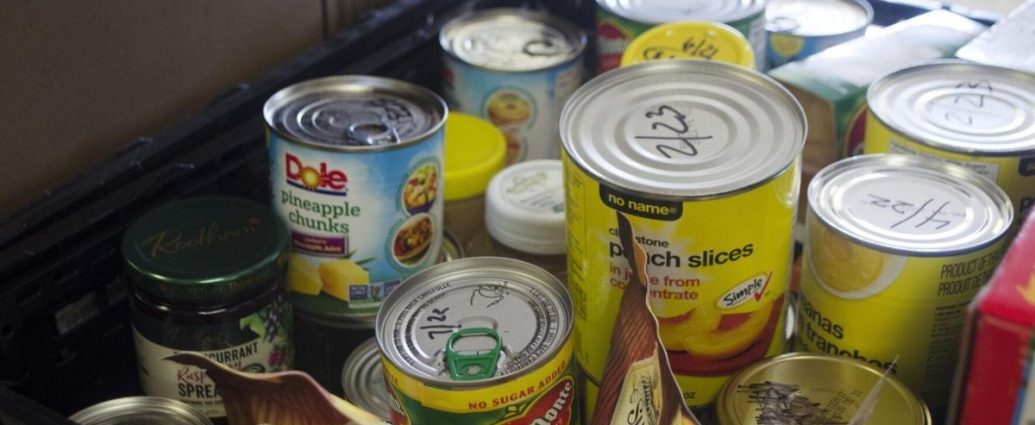
The lines at Oakville food banks are getting longer. Much longer.
Food banks across the city are seeing record numbers of people who can’t afford basic groceries as food costs keep climbing. What started as pandemic-era economic pressures has turned into something more permanent and troubling.
The numbers don’t lie. Food bank usage in Oakville has jumped 40% compared to this time last year, with some locations reporting even steeper increases. The Oakville Food Bank alone served 3,847 people in February 2024, compared to 2,748 people in February 2023. That’s 1,099 more individuals and families who couldn’t afford to put food on their tables.
The New Reality of Food Insecurity
Walk into any Oakville food bank today and you’ll see something different than five years ago. The demographic has shifted dramatically.
These aren’t just people between jobs or facing temporary hardship. Many are working full-time but still can’t make ends meet when groceries eat up an ever-larger chunk of their paycheques. The data shows that 68% of food bank users in Oakville are employed, either full-time or part-time, yet they still can’t cover their basic food needs.
The reality is we’re seeing people who never thought they’d need food assistance. These are families where both parents work, but housing costs combined with food prices have pushed them over the edge.
Single parents make up a growing portion of food bank users, representing 34% of all households served in 2024, up from 28% in 2022. They’re joined by seniors on fixed incomes and young families just starting out. The common thread? Even modest grocery bills have become unaffordable luxuries.
Food bank volunteers describe seeing the same faces week after week, people who’ve moved from temporary users to regular clients. The average length of food bank use has increased from 6.2 months in 2022 to 9.7 months in 2024. That’s concerning.
The geographic spread tells another story. Food bank usage has increased in every ward across Oakville, but the steepest jumps are in areas previously considered middle-class strongholds. Ward 4, which includes parts of Glen Abbey and West Oak, has seen food bank usage increase by 67% over the past 18 months.
What’s Driving the Surge
The math is simple and brutal. Grocery prices have climbed 15% over the past year alone, while wages haven’t kept pace for most workers. The average grocery bill for a family of four in Oakville now sits at $1,847 per month, based on data from the National Nutritious Food Basket program.
But it’s not just about the price of milk or bread. It’s the cumulative effect of everything costing more. Housing, utilities, transportation, and childcare costs have all increased, leaving less room in household budgets for food. The average rent for a two-bedroom apartment in Oakville reached $2,685 in March 2024, representing a 12.8% increase from the previous year.
Here’s where it gets worse. Many people are making hard choices between paying rent and buying groceries. Food becomes the flexible expense because you can skip meals, but you can’t skip rent. Data from local food banks shows that 73% of users report having to choose between paying for housing and buying food in the past month.
The bigger picture shows Oakville’s cost of living has outpaced income growth for most residents, creating a new class of working poor who rely on food banks to supplement stretched budgets. Median household income in Oakville grew by 3.2% in 2023, while the cost of basic necessities increased by an average of 11.4%.
Interest rate hikes have added another layer of pressure. Families with variable-rate mortgages are paying an additional $800 to $1,200 per month compared to early 2022. For many, that difference comes directly out of the grocery budget.
Who’s Being Hit Hardest
Look, the data tells a clear story about who’s struggling most.
Families with children under 12 represent the largest group of new food bank users, making up 41% of all households served.
These households face the double hit of higher food costs and the reality that kids need consistent meals to thrive in school. Teachers at local elementary schools report increasing numbers of students arriving without lunch or adequate snacks.
Seniors on fixed pensions form another major group, with 847 individuals over 65 accessing food bank services in February 2024, compared to 592 in February 2023. When your income stays flat but everything costs more, something has to give.
Many are choosing between medications and meals. The Kerr Street Ministry reports that 82% of their senior clients are cutting back on prescription medications to afford food.
Newcomers to Canada face particular challenges. Language barriers, credential recognition issues, and unfamiliarity with available supports mean many struggle in silence before finding food banks. Recent immigrants make up 23% of food bank users, despite representing only 15% of Oakville’s population.
Worth noting: mental health impacts are significant. Food bank staff report seeing increased anxiety and shame among users, particularly those accessing services for the first time. The Salvation Army Oakville has started offering mental health counselling alongside food distribution after recognizing the emotional toll of food insecurity.
Young adults aged 18-25 represent the fastest-growing demographic at food banks, with usage in this age group increasing by 89% since January 2023. Many are students at Sheridan College struggling with rising tuition costs, rent, and food expenses on limited income from part-time jobs.
The Strain on Resources
Food banks weren’t designed for this level of sustained demand. Most operate on shoestring budgets with volunteer labour, and the current surge is pushing many to their breaking point.
The Oakville Food Bank’s operating budget for 2024 is $287,000, which needs to stretch to serve nearly 4,000 people monthly. That works out to roughly $6 per person per month to cover not just food, but storage, transportation, utilities, and basic operations.
Donation levels haven’t kept pace with demand. While some corporate partnerships exist, individual donations have actually declined as more households face their own financial pressures. Food donations dropped by 18% in 2023 compared to 2022, while demand increased by 31%.
We’re in a situation where the people who traditionally donate to us are now the ones walking through our doors asking for help. It’s created a perfect storm.
Storage and distribution logistics have become major challenges. Food banks are running out of space and volunteer hours to handle the increased volume. The Kerr Street Ministry had to lease additional warehouse space at a cost of $3,200 per month to handle increased inventory and serve more families.
Some locations have had to reduce the amount of food provided per visit or limit how often people can access services. The Oakville Food Bank reduced hamper sizes by 15% in January 2024 and implemented a limit of one visit per household every two weeks, down from weekly visits. Nobody wants to make those decisions, but resources are finite.
Volunteer recruitment has become critical.
The average food bank needs 45-60 volunteer hours per week to operate effectively, but many are running with skeleton crews. The Faith Baptist Church food bank operates with just 12 regular volunteers, down from 19 in 2022, as volunteers face their own economic pressures.
What This Means for Oakville Residents
The food bank crisis isn’t happening in isolation. It reflects broader economic pressures that affect everyone in Oakville, whether they use food banks or not.
Property taxpayers are likely to feel the impact through increased demand for municipal services. Town council is considering allocating $150,000 from reserves to support local food security programs, which would require either budget cuts elsewhere or modest tax increases.
Local businesses are feeling the pinch too.
Restaurants report customers spending less on dining out, and grocery stores are seeing more people using coupons, buying generic brands, and purchasing smaller quantities. This shift in spending patterns affects employment and tax revenue across the community.
The school system faces growing challenges as more students arrive hungry or without adequate nutrition. The Halton District School Board has quietly expanded its breakfast and lunch programs, serving an additional 340 students daily compared to the 2022-2023 school year.
Healthcare costs are rising as food insecurity leads to increased rates of diabetes, heart disease, and mental health issues. Oakville Trafalgar Memorial Hospital reports a 23% increase in emergency department visits related to complications from inadequate nutrition among seniors and children.
Community social cohesion is also at stake. When families are stressed about basic needs like food, participation in community activities, sports leagues, and volunteer organizations typically drops. Recreation centres and community groups report declining membership and participation rates.
Beyond Emergency Measures
Food banks are doing more than just handing out groceries. Many have expanded into advocacy and education roles, helping people handle government benefits and connect with other support services.
The Salvation Army Oakville now offers budget counselling and tax preparation services, recognizing that many people aren’t accessing benefits they’re entitled to receive. Their tax clinic helped 127 families claim an additional $89,000 in refunds and benefits in 2023.
But here’s the thing: food banks were always meant to be temporary solutions. The fact that they’ve become permanent fixtures in middle-class communities like Oakville signals a deeper problem with how our economy works.
Some organizations are pushing for policy changes at municipal and provincial levels. They want rent control, minimum wage increases, and better childcare supports. The goal isn’t to expand food bank capacity indefinitely. A coalition of 14 Oakville social service agencies submitted a brief to town council in March 2024 calling for a living wage policy for municipal employees and contractors.
Community gardens and bulk buying programs are emerging as longer-term solutions.
These initiatives help people stretch their food dollars while building community connections. The Sixteen Mile Creek Community Garden added 47 new plots in 2024 and maintains a waiting list of 89 families.
Food rescue programs are showing promise. The Good Food Box program, which sources slightly imperfect produce directly from farms, provides fresh fruits and vegetables at 40-60% below retail cost. The program serves 234 Oakville families monthly and has a waiting list of over 100 households.
What Comes Next
The February 2024 numbers aren’t an anomaly. Food bank directors expect demand to remain high through at least spring 2025, with potential increases if economic conditions worsen or if government support programs are reduced.
Municipal officials are starting to pay attention.
Some councillors have begun discussing emergency funding for food security programs, though concrete commitments remain limited. Mayor Rob Burton announced in March that the town would establish a Food Security Task Force to examine long-term solutions, with a report expected by September 2024.
But why should anyone outside Oakville care? What’s happening here is playing out across suburban communities throughout the GTA. Middle-class areas that never had food insecurity issues are now dealing with regular lineups. Similar increases in food bank usage have been reported in Burlington (38% increase), Milton (44% increase), and Mississauga (31% increase).
The federal government’s proposed national food program could provide some relief, but implementation isn’t expected before 2026 and funding details remain unclear. Provincial programs like Ontario Works haven’t seen benefit increases that match inflation, leaving recipients further behind each month.
The question isn’t whether food banks can handle current demand. They’re already stretched thin and turning people away or reducing service levels. So what happens when even more people realize they need help putting food on the table? Without significant policy changes or economic improvement, Oakville’s food banks are heading toward a crisis that will affect the entire community.
Frequently Asked Questions
How much have grocery prices increased in the past year?
Grocery prices have climbed 15% over the past year, significantly outpacing wage growth for most workers.
Who is using Oakville food banks the most?
Families with young children, seniors on fixed incomes, and newcomers to Canada represent the largest groups of food bank users.
Can people donate to local food banks?
Yes, most Oakville food banks accept both food donations and monetary contributions to help meet increased demand.