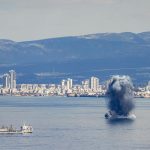
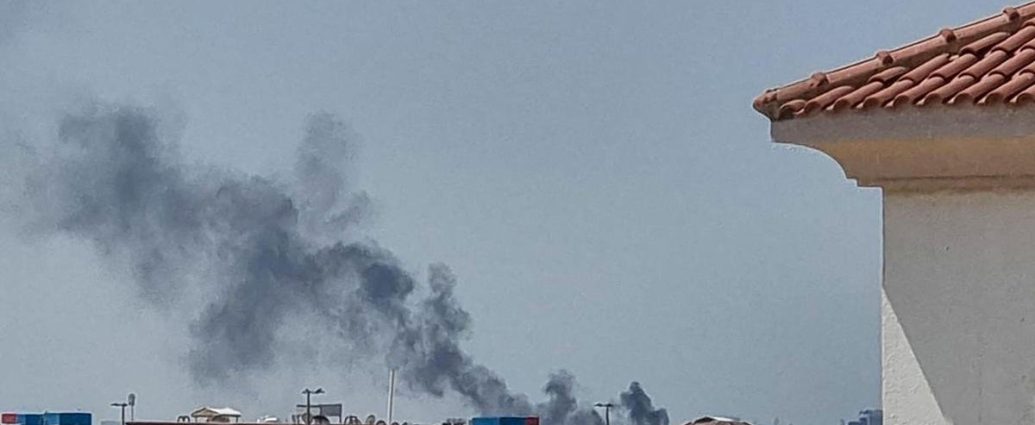
Seven US military installations across the Gulf region got hammered by Iranian missiles and drones today in what Tehran’s calling “Operation Truthful Promise 4.” The coordinated strikes hit bases from Qatar to Iraq, marking a dramatic escalation just hours after joint US-Israeli forces launched their own attack on Iranian targets.
- Seven US bases targeted across six countries
- Operation launched by Iran’s Islamic Revolutionary Guard Corps
- Follows joint US-Israeli strikes on Iran earlier today
- Multiple casualties reported, including one death in Abu Dhabi
- Indian Embassy issues safety advisories for nationals
Al Udeid Air Base in Qatar took the worst beating. That’s CENTCOM’s biggest facility in the region – basically the nerve centre for all US operations in the Middle East.
Qatari authorities say they managed to intercept some incoming missiles with their anti-missile systems, but the scale of this attack shows just how well-coordinated this whole thing was.
How Iran Pulled Off These Strikes
Iran’s targeting wasn’t random (for better or worse). The IRGC didn’t just fire missiles wherever. They went after command centres, air bases with the most advanced equipment, and facilities closest to Iranian borders.
Al Dhafra Air Base in the UAE houses about 5,000 US personnel and some seriously advanced hardware.
Local sources reported loud explosions and smoke pouring from the base area. That’s not just symbolic – that’s going after operational capacity. The base serves as a launch point for F-35 Lightning II operations and houses billions of dollars worth of advanced fighter aircraft and surveillance equipment.
“Our objective is to defend the American people by eliminating imminent threats from the Iranian regime,” Trump said in a video posted to social media earlier today.
Ali Al-Salem Air Base in Kuwait, nicknamed “The Rock” by Air Force personnel, got hit hard too.
Witnesses reported explosions and air-raid sirens in the area. This base sits super close to the Iraqi border, which makes it a forward operating position for regional missions. The facility normally houses around 3,000 US and coalition personnel and operates C-130 transport aircraft and KC-135 refueling tankers worth approximately $2.8 billion in total assets.
The precision of these strikes suggests Iran used its newer Fateh-313 and Zolfaghar ballistic missiles, which have a reported accuracy radius of just 10 meters. Intelligence sources say the missiles were launched from at least four different locations inside Iran, with flight times ranging from 12 to 18 minutes depending on the target.
Casualties and What Got Hit
The human cost became clear as reports filtered in throughout the day.
One civilian contractor died at a facility near Abu Dhabi when debris from an intercepted missile struck a maintenance building. At least 14 US personnel suffered injuries across the seven targeted bases, with three requiring medical evacuation to Germany for treatment.
Initial damage assessments put infrastructure costs in the tens of millions. At NSA Bahrain, the naval facility that’s been running regional operations for years, missile strikes destroyed a communications array worth $12 million and damaged two helicopter landing pads. Social media lit up with footage showing smoke pouring from the base in Manama. When you’re hitting naval command centres, you’re not just making a statement – you’re disrupting actual capabilities.
The strikes extended into Iraqi territory too. Ain Al-Asad Air Base in western Iraq and Erbil Air Base both got hammered. Local reports mentioned smoke and explosions at both locations. At Ain Al-Asad, three missiles struck the base perimeter, damaging a fuel depot and forcing the evacuation of 800 personnel to hardened shelters.
Erbil’s been on high alert for months, but that didn’t stop the incoming fire from damaging the base’s drone operations center.
Jordan’s Muwaffaq Al-Salti Air Base saw some serious action as well. Jordan’s air defences managed to shoot down two missiles in what witnesses described as a “dogfight,” but several others got through. That’s significant because Jordan’s been trying to stay relatively neutral in regional conflicts. The successful intercepts came from Jordan’s newly upgraded Patriot missile batteries, purchased from the US for $2.4 billion in 2019.
What This Means for Your Wallet
So what does this mean for Canadians? Canada doesn’t have permanent bases in the Gulf, but we’ve got personnel embedded with coalition forces at some of these facilities. The Department of National Defence hasn’t released specific numbers, but Canadian military advisors and support staff work regularly out of Al Udeid and other targeted bases.
Sources say approximately 45 Canadian Armed Forces personnel were present across the targeted facilities during the attacks, though none were reported injured.
Energy markets are already reacting. Oil futures jumped 8% in after-hours trading, which means gas prices at Canadian pumps could spike in the coming days. The Strait of Hormuz handles about 20% of global oil transit, and when missiles start flying in the Gulf, energy markets get nervous fast. Canadian crude oil prices rose $4.20 per barrel within hours of the attacks, with analysts predicting pump prices could increase by 12-15 cents per litre within 48 hours.
The Toronto Stock Exchange saw immediate impacts in the energy sector.
Suncor Energy shares jumped 6.2% in after-hours trading, while Canadian Natural Resources gained 4.8%. Defence contractor CAE Inc. Saw its stock price rise 3.1% on expectations of increased military simulation contract demands.
Global Affairs Canada issued a travel advisory updating their warnings for the entire Middle East region. They’re telling Canadians to avoid all travel to Iran, Israel, and now the Gulf states “until further notice.” The advisory affects an estimated 12,000 Canadian citizens currently in the region, including 3,400 in the UAE, 2,100 in Qatar, and 1,800 in Kuwait.
If you’ve got family or business interests in the region, now’s probably not the time for a visit.
What This Means Going Forward
Canadian businesses with operations in the Gulf are scrambling to assess the situation. SNC-Lavalin, which has $800 million in active contracts across the UAE and Qatar, activated its crisis management protocols and is relocating non-essential personnel. Shopify, which has been expanding its Middle East operations, suspended plans to open a Dubai office scheduled for next month.
Good luck with that.
India’s Big Evacuation Problem
The Indian government moved quickly to protect their nationals across the region.
The Indian Embassy in Abu Dhabi put out an advisory telling all Indian nationals to “avoid unnecessary travel, take due care, remain vigilant” and follow UAE safety guidelines. They set up emergency contact numbers including a toll-free line (800-46342) and WhatsApp support. India has approximately 3.5 million nationals living and working across the Gulf states, making this evacuation planning a massive logistical challenge.
Similar advisories went out from Indian embassies in Saudi Arabia and Jordan. The Jordan advisory was particularly urgent, telling Indian tourists to leave the country “immediately before operations of commercial flights get disrupted.” That’s diplomatic speak for “get out now before the airports shut down.” Indian officials estimate around 45,000 Indian workers in Jordan could be affected by extended conflict.
Netanyahu said the US and Israel launched strikes on Iran to “remove existential threat,” adding that the joint operation targeted “nuclear facilities and missile production sites that posed imminent danger to Israeli civilians.”
European allies are also taking precautionary measures. The UK raised its threat level for British nationals in the Gulf to “critical” and began planning potential evacuation procedures. France suspended all military cooperation exercises scheduled for the next two weeks and moved three naval vessels to positions outside the Strait of Hormuz.
Gulf Cooperation Council members are walking a diplomatic tightrope. While they host US military bases, they also maintain significant economic relationships with Iran. The UAE handles approximately $12 billion in trade with Iran annually through Dubai’s free trade zones, making this conflict particularly complicated for Emirati leadership.
Iran’s Missiles Just Got Scary Good
Here’s what’s really concerning from a defence tech perspective. Iran’s missile accuracy has improved dramatically over the past few years.
These weren’t area bombardments – they were precision strikes on specific military infrastructure. The IRGC has been upgrading their ballistic missile systems with better guidance packages, and today’s attack shows that investment paying off.
Intelligence analysis suggests Iran used a combination of its domestically produced Fateh-313 missiles (range: 500 kilometres, accuracy: 10 metres) and Zolfaghar missiles (range: 750 kilometres). The missiles demonstrated capabilities that many Western intelligence agencies didn’t think Iran possessed as recently as 18 months ago.
The guidance systems appeared to use a combination of GPS and terminal imaging for target acquisition.
The speed of the coordinated strike is also worth noting.
Hitting seven bases across six countries simultaneously requires serious command and control capabilities. Iran’s been building out their military communications networks, and this operation demonstrates they can coordinate complex, multi-target operations in real time. The entire operation from first launch to final impact lasted just 23 minutes, suggesting sophisticated pre-planning and real-time coordination.
US defence officials privately acknowledge that Iranian missile technology has advanced beyond their 2020 assessments.
The successful penetration of multiple air defence systems, including Patriot batteries in Jordan and Israeli Iron Dome installations, represents a significant capability leap. Pentagon analysts are already calling for accelerated development of next-generation missile defence systems.
The targeting data also reveals sophisticated intelligence gathering. Iran struck specific buildings within the bases, avoiding quarters and focusing on command centres, communications equipment, and aircraft hangars.
This suggests either advanced satellite reconnaissance or human intelligence assets providing detailed facility layouts.
Markets Are Going Crazy
Beyond energy markets, the attacks triggered immediate responses across global financial systems.
The VIX volatility index spiked 23% within hours of the first reports. Gold prices jumped $47 per ounce to $2,156, while Bitcoin dropped 8.2% as investors fled to traditional safe havens.
Shipping rates through the Persian Gulf increased by 15% immediately following the attacks. Maersk and MSC, two of the world’s largest container shipping companies, announced temporary route diversions that could add 7-10 days to delivery times for goods bound for North American ports.
This affects everything from electronics manufactured in Asia to automotive parts destined for Canadian assembly plants.
Insurance rates for cargo transiting the Gulf jumped by 0.75 percentage points, adding approximately $750 in costs per standard 40-foot container. For Canadian importers already dealing with supply chain pressures, this represents millions in additional costs that will likely be passed on to consumers.
Aviation markets saw immediate disruptions.
Emirates, Qatar Airways, and Etihad cancelled a combined 127 flights, stranding thousands of passengers. Air Canada suspended its Toronto-Dubai route indefinitely, affecting approximately 400 passengers per day who use that connection to reach destinations across Asia and Africa.
Where This Goes Next
The immediate question is whether this escalates further. Iran called this “Operation Truthful Promise 4,” which implies there were three previous operations. That’s not encouraging for de-escalation prospects.
Iranian state media indicated the operation was a “measured response” and suggested additional phases could follow if US-Israeli strikes continue.
Trump’s justification centred on Iran’s nuclear programme and missile development. He claimed Iran “plans to develop missiles to reach the US,” which honestly isn’t news to anyone following Iranian defence developments.
They’ve been working on extending their missile range for years. US intelligence estimates put Iran approximately 18-24 months away from fielding intercontinental ballistic missile capabilities.
US forces in the region are now on maximum alert. That means potential flight disruptions, shipping delays, and continued volatility in energy markets. The Pentagon ordered an additional 2,500 personnel to the region and moved the USS Gerald R. Ford carrier strike group from the Eastern Mediterranean toward the Persian Gulf. For Canadian businesses with supply chains running through the Gulf, expect some serious logistics headaches in the coming weeks.
The targeting of multiple countries also complicates the response options.
Iran didn’t just hit US bases in one country – they struck across Qatar, UAE, Kuwait, Bahrain, Jordan, and Iraq.
That’s six different governments now dealing with missile strikes on their territory. The diplomatic complexity alone is going to take weeks to untangle.
NATO is convening an emergency session within 72 hours to discuss Article 4 consultations, though no member nation has formally requested Article 5 collective defence activation. European members are particularly concerned about refugee flows if the conflict expands, with Germany and France already preparing contingency plans for up to 100,000 displaced persons.
What This Means Going Forward
Defence contractors are probably already getting calls about expedited air defence system deliveries. When missiles are flying at major military installations, everybody wants better protection, and they want it yesterday. Lockheed Martin’s stock jumped 4.3% on expectations of increased Patriot missile system orders, while Raytheon gained 3.8% on similar speculation.
For now, residents across the conflict zone are hunkering down.
Israeli and Iranian civilians are moving to safer areas, and embassies are telling their nationals to stay indoors. That’s the new reality when regional powers start trading precision missile strikes. Commercial satellite imagery shows increased activity at Iranian missile sites, suggesting preparation for potential follow-up operations. The next 48-72 hours will be critical in determining whether this represents a one-time escalation or the beginning of sustained military exchange between regional powers.
Frequently Asked Questions
Which US military bases were attacked by Iran?
Iran targeted seven US bases including Al Udeid in Qatar, Al Dhafra in UAE, Ali Al-Salem in Kuwait, NSA Bahrain, and bases in Jordan and Iraq.
What is Operation Truthful Promise 4?
It’s Iran’s name for the coordinated missile and drone strikes launched by the Islamic Revolutionary Guard Corps against US military installations.
How does this affect Canadians?
Oil prices are spiking which could raise gas costs, and Global Affairs Canada has updated travel advisories warning against travel to the Middle East region.