
Here’s something nobody saw coming: Canada’s housing market has found a way to hurt the economy even while getting more affordable. This relates directly to canada housing market developments across the country. CIBC economists are calling the whole situation “simply broken.” Honestly, their reasoning is pretty hard to argue with.
The problem? This relates directly to canada housing market developments across the country. We’ve hit this weird sweet spot where “prices are still too high to buy and not high enough to build,” according to Benjamin Tal and Katherine Judge in their latest report. That’s not exactly the kind of balance anyone was hoping for.
The Numbers Tell a Messy Story: Canada Housing Market Impact
Home prices did what everyone expected after the pandemic boom. They fell back down to roughly where they would’ve been if COVID had never happened. Sounds reasonable, right? Related: Gang raid in John D’Or Prairie nets sawed-off shotgun
But dig deeper and you’ll find some serious regional drama. Ontario benchmark prices are sitting about 28 per cent below where pre-pandemic trends suggested they’d be. British Columbia is down around 13 per cent from trend. The rest of the country? Pretty much on track or slightly above.
The condo market got hit hardest. Oversupply pushed prices way below trend, and now cities outside Toronto and Vancouver are starting to show what CIBC calls “early signs of stress.” Related: Calgary stabbing suspects nabbed after Marda Loop altercation
Housing Starts: Not What They Seem
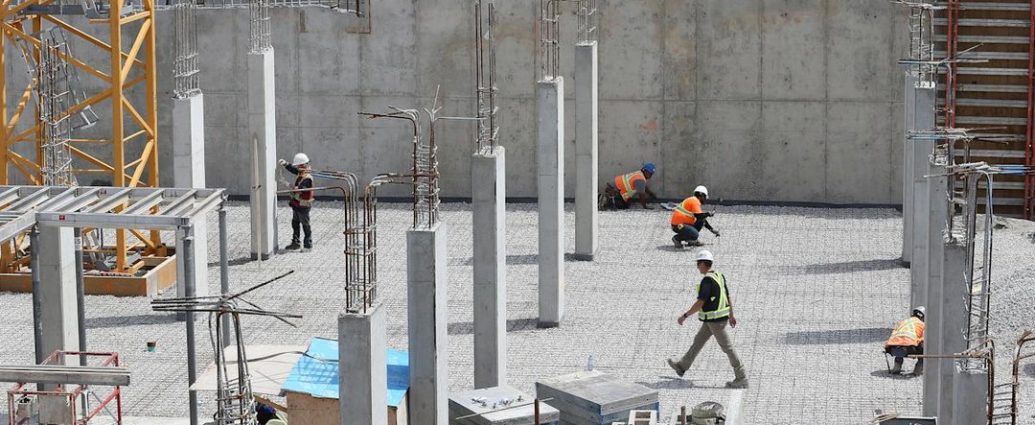
Here’s where things get really interesting. Housing starts averaged about 260,000 units in 2025, which looks decent on paper. But Tal and Judge say those numbers are basically fiction.
Many multi-unit projects get counted long after construction decisions were actually made, creating a false picture of current activity.
The reality hits different when you look at the Greater Toronto Area and Greater Vancouver Area. Research suggests real housing starts in the GTA are actually 50 per cent below the headline numbers. Vancouver’s running 30 per cent below. Related: Calgary Woman Charged in Hit and Run That Left Teen Injured
Surrey alone has 44,300 units that got approved but never received building permits. Developers are basically playing a waiting game, applying for approvals without any real plans to start construction.
Ontario’s Housing Crisis Goes Deeper
Mike Moffatt from the Missing Middle Initiative dropped some brutal numbers. Ontario’s housing starts are running at barely 30 per cent of the province’s 175,000-unit annual target.
The family housing market collapsed completely.
Single-detached, semi-detached, and row homes in Ontario hit record low starts this January. We’re talking the lowest levels since they started tracking this stuff back in 1990. And TD economists have been flagging the sluggish activity in Ontario too, so this isn’t just one bank’s opinion.
The Economic Ripple Effect
CIBC’s economists aren’t mincing words about where this leads. The housing market drag on the economy is “just beginning to take hold,” and improved affordability from lower prices isn’t going to fix the bigger problem.
The root issue? Building costs are “unsustainably high.” Unless someone figures out how to bring them down significantly, the whole situation gets worse.
“The current soft patch in housing activity should be viewed as an opportunity to deal with the main reason for high shelter prices in Canada,” Tal and Judge wrote. Translation: fix the building cost problem now, or deal with bigger economic headaches later.
“Improved affordability due to lower prices is a welcome development, but it is not large enough to offset the negatives nor is it the remedy to the country’s housing affordability crisis.”