
NASA is betting everything on a fuel that loves to leak at the worst possible moments. The latest on artemis ii fuel test is drawing significant attention.
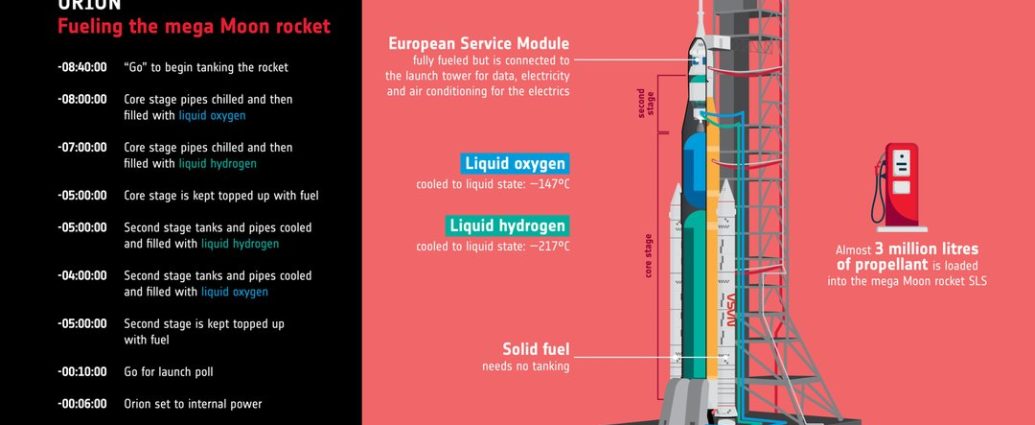
The space agency is conducting another wet dress rehearsal for its Artemis II mission today, the second major fuelling test for the rocket that’s supposed to carry four astronauts around the moon. This relates directly to artemis ii fuel test developments across the country. That includes Canadian astronaut Jeremy Hansen, who’s probably watching this fuel test with more than casual interest.
The Space Launch System rocket has been having a complicated relationship with liquid hydrogen. This relates directly to artemis ii fuel test developments across the country. The fuel is powerful enough to send humans back to lunar orbit for the first time since 1972, but it’s also notorious for finding ways to escape from supposedly sealed systems. Related: Marner’s OT Magic Sends Canada Past Czechs at Olympics
Why Hydrogen When It Won’t Stay Put?: Artemis Ii Fuel Test Impact
Here’s the thing about liquid hydrogen. It’s an incredible fuel that packs serious punch, but its molecules are so tiny they can slip through the tiniest gaps in metal seals.
Think of trying to contain smoke in a paper bag. Related: CFNY Video Road Show Dance Party Hits Toronto Tonight
NASA engineers have been wrestling with hydrogen leaks since the early days of the space shuttle program. The fuel has to be kept at minus 423 degrees Fahrenheit, which means everything contracts and expands as temperatures change. Seals that work fine at room temperature suddenly develop gaps when things get that cold.
But NASA keeps using it because the alternatives aren’t great. Liquid hydrogen burns clean and provides incredible specific impulse, the rocket science term for how much thrust you get per pound of fuel. For a mission that needs to push a heavy capsule all the way to the moon, that efficiency matters. Related: Nearly 600 Homes in Aberfoyle Lose Power This Morning
Canadian Stakes in the Moon Race
The stakes are particularly high for Canada’s space program. Jeremy Hansen will become the first Canadian to leave Earth orbit if this mission succeeds. He’s been training for years alongside NASA astronauts Reid Wiseman, Victor Glover, and Christina Hammock Koch.
The fuel set to propel NASA’s moon crew is notorious for leaking, but alternatives don’t offer the performance needed for lunar missions.
Hansen isn’t just along for the ride. Canadian contributions to the Artemis program include the Canadarm3 robotic system planned for the lunar Gateway space station. Getting Artemis II right is Canada’s ticket to being a serious player in humanity’s return to deep space.
The mission isn’t supposed to land on the moon. Instead, the crew will loop around our nearest neighbour and return to Earth, proving that NASA’s new Orion capsule can keep humans alive during the roughly 10-day journey.
Learning from Past Fuel Headaches
NASA’s first attempt at fuelling the SLS rocket didn’t go smoothly. Last year’s tests revealed multiple leak points that forced engineers back to the drawing board. They’ve replaced seals, adjusted procedures, and crossed their fingers that the fixes will hold.
The space agency has been here before. During the shuttle era, hydrogen leaks were a constant source of launch delays and white-knuckle moments for mission controllers. But they learned to manage the risks, developing procedures to deal with small leaks and knowing when bigger ones meant calling off a launch.
Today’s test will show whether those lessons translate to the much larger SLS system. The rocket uses more liquid hydrogen than the shuttle ever did, which means more opportunities for problems.
What Success Looks Like
A successful wet dress rehearsal means loading the rocket with fuel, running through countdown procedures, and then draining everything without any dangerous leaks. Simple in concept, but the devil’s in the details.
Mission controllers will be watching pressure readings, temperature sensors, and visual inspections for any signs that hydrogen is going where it shouldn’t. Even small leaks can become big problems if they happen near ignition sources.
If everything goes according to plan, NASA moves one step closer to actually lighting the candles on this massive rocket with humans aboard.
If not, more delays and more engineering headaches.
The Bigger Picture
This isn’t just about getting four people around the moon and back. Artemis II is meant to prove that NASA can safely send crews into deep space again after a gap of more than 50 years. The mission sets up future landings on the lunar surface and eventually, if all goes well, trips to Mars.
But first, they need to prove they can handle liquid hydrogen without turning astronauts into headlines for all the wrong reasons.
Can they really pull this off? The fuel system either works or it doesn’t. There’s no middle ground when you’re dealing with human lives and a rocket that costs billions of dollars. NASA knows this, which is why they’re taking their time with these tests despite pressure to get moving on the actual mission.
Results from today’s fuelling test will determine whether Artemis II stays on track for its planned launch window later this year or faces another round of delays.