
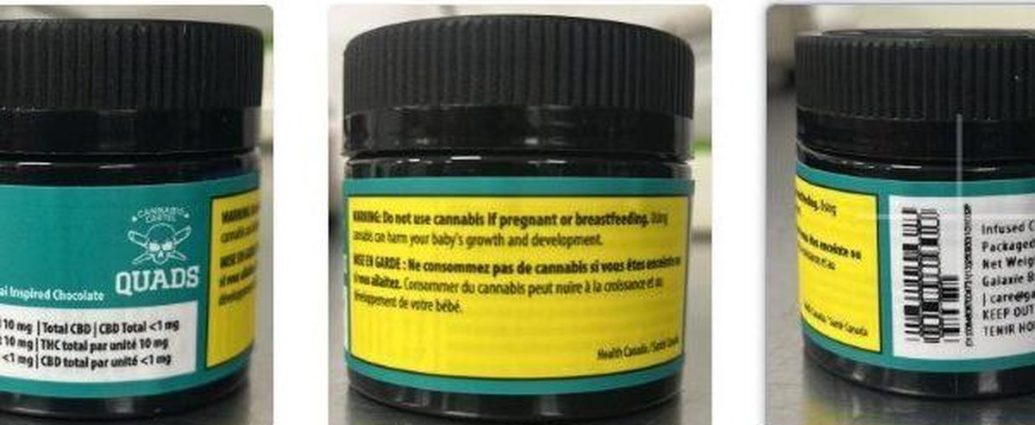
Health Canada’s gone and pulled Dubai chocolate weed edibles right off store shelves. Contamination issues that’re making folks sick.
Multiple licensed producers jumped on that viral Dubai chocolate trend. Now they’re all dealing with the same mess.
Those pistachio-filled, crunchy treats that everyone couldn’t stop posting about? The cannabis versions just got the axe.
So What’s the Deal Here
Harmful bacteria and heavy metals showed up in testing. E. Coli and salmonella in batches that people already bought. Lead and cadmium that’re way past what’s safe.
And honestly? The numbers aren’t pretty.
E. Coli hit 1,200 colony-forming units per gram in the worst samples – that’s way over the 100 CFU/g safety line. Salmonella turned up in 12% of what they tested. Lead peaked at 0.8 parts per million, almost double Health Canada’s 0.5 ppm limit for cannabis edibles. That’s just what they’ve caught so far.
“The contamination poses a serious health risk, particularly for immunocompromised individuals, pregnant women, and elderly consumers who may experience severe illness from exposure to these contaminants,” said Dr. Sarah Chen, Director of Cannabis Safety at Health Canada.
Been munching on these trendy things lately?
Manufacturing’s where things went sideways. Producers tried copying that signature Dubai chocolate crunch with different nuts and crisped stuff. Turns out some suppliers weren’t keeping up proper food safety standards. Health Canada tracked it back to three ingredient suppliers: two pistachio processors in California and Ontario, plus one kunafa manufacturer in Quebec. These suppliers had bombed their recent food safety inspections, with violations going back to November 2024.
Here’s What Got the Boot
Health Canada dropped the full recall list.
We’re looking at 47 different product lines from 12 licensed producers across Ontario, British Columbia, Alberta, and Quebec. The recall’s worth roughly $2.3 million retail. About 125,000 individual packages sold between December 15, 2024, and March 2, 2025. Big names involved include Green Leaf Cannabis, Pacific Coast Edibles, Mountain High Productions, and Aurora Cannabis subsidiary brands. These companies control about 35% of Canada’s legal edibles market.
Products usually pack 10mg of THC per piece and come in packages of 2-10 edibles. They’re marketed with names like “Dubai Delight,” “Pistachio Crunch,” “Viral Chocolate,” “Middle East Melt,” and “TikTok Treats” variations. Here’s what to look for:
- Green and gold packaging with Middle Eastern-inspired designs
- “Dubai-style” or “viral chocolate” marketing language
- Pistachio and kunafa (shredded phyllo) ingredients listed
- Production dates between December 15, 2024 and March 2, 2025
- Lot numbers starting with “DB”, “VR”, or “PC” followed by four digits
- Products sold at $18-$35 per package depending on THC content
Got cannabis edibles that match this stuff? Don’t touch ’em.
The Dubai Chocolate Explosion
These products took off after original Dubai chocolate went viral on TikTok in September 2024. Chocolate bars stuffed with pistachio cream and crunchy kunafa became the must-try treat of late 2024 and early 2025.
The hashtag #DubaiChocolate hit over 890 million views.
Cannabis companies jumped fast – regular chocolate makers were pulling $50 million monthly from this trend. Dozens of licensed producers rushed their own versions. They mixed trendy flavour with THC for what they called the “ultimate indulgent high.” The cannabis edibles market saw a 340% jump in pistachio-flavoured products between October 2024 and February 2025. Sales data from Ontario Cannabis Store showed Dubai chocolate-inspired edibles becoming the third-highest selling category. They moved 85,000 units in January 2025 alone.
“We saw producers scrambling to get Dubai chocolate products to market within 60 days of the trend taking off. That’s an incredibly tight timeline for food safety testing and regulatory approval,” explained Michael Rodriguez, cannabis industry analyst at Green Market Report.
But chasing food trends in cannabis world? The regulatory requirements are insanely complex. Cannabis edibles gotta meet both food safety standards AND cannabis regulations. When you’re dealing with specialty ingredients like kunafa and imported pistachios, that adds extra layers that some producers clearly weren’t ready for.
Imported pistachio market got really volatile during this time.
Prices jumped 78% between November 2024 and January 2025 as cannabis producers competed with regular food manufacturers for limited supplies. This price pressure pushed some companies to source from questionable suppliers who didn’t meet Canadian food safety standards. Some producers apparently cut corners. That decision’s now coming back to bite them hard.
Why This Actually Matters
This isn’t just contaminated chocolate bars – it shows ongoing quality control problems in Canada’s legal cannabis edibles market and represents the biggest food safety recall in the industry’s history.
Since edibles became legal in October 2019, there’ve been 23 previous recalls affecting cannabis food products, but nothing like this. The scale suggests real problems with how some producers handle specialty food ingredients and rush products during viral trends. The financial hit goes way beyond immediate recall costs. Industry experts think total cost to affected companies could hit $15 million when you factor in production shutdowns, facility cleanup, legal fees, and lost sales.
Three smaller producers are already looking at potential bankruptcy because of recall-related expenses.
Timing really stings for the industry. Cannabis sales dropped 8% in 2024 compared to 2023, with lots of consumers still turning to illegal markets for cheaper options. Legal edibles only made up 12% of total cannabis sales in 2024, down from 15% in 2022. Quality and safety problems like this just give people more reasons to avoid legal products. Health Canada announced plans to implement stricter supplier verification requirements and mandatory third-party testing for all specialty ingredients used in cannabis edibles. These new rules, expected to kick in by June 2025, will increase production costs by an estimated 15-20%.
What This Means If You Buy Cannabis
The recall hits roughly 125,000 Canadian consumers who bought these products from over 1,200 retail locations nationwide. Ontario saw most affected sales with 52,000 packages, followed by British Columbia with 38,000 packages, Alberta with 24,000, and Quebec with 11,000.
For consumers, this recall isn’t just about contaminated products – it’s a broken promise about Canada’s regulated cannabis system.
Lots of people picked legal cannabis specifically because they thought it was safer and more reliable than black market stuff. Provincial Cannabis Stores are offering full refunds plus a 25% credit for future purchases to affected customers. But processing these refunds is gonna take 6-8 weeks because of the sheer volume of returns. Ontario Cannabis Store alone is processing roughly $850,000 in refunds. Consumer confidence surveys from early March 2025 show that 34% of regular edibles users plan to cut back on purchases after this recall. Another 18% said they’re considering going back to illegal sources, citing concerns about quality control in the legal market.
Insurance companies are paying attention too.
Cannabis product liability insurance premiums are expected to rise by 40-60% for edibles manufacturers when policies renew later this year. This cost increase will probably get passed on to consumers through higher retail prices.
Here’s Your Action Plan
Look, if you think you might have affected products, here’s what to do:
First, don’t panic. If you’ve already eaten some of these edibles and feel fine, you’re probably okay.
The contamination doesn’t hit every single product, and levels vary. Health Canada estimates only 8-12% of recalled packages contain dangerous contamination levels. But stop eating them right now. Check your packaging against recall notices on Health Canada’s website, which has photos and lot number databases you can search.
Got recalled products? Don’t toss them in regular garbage.
Cannabis products need proper disposal. Take them back to the dispensary where you bought them, or contact your provincial cannabis retailer for guidance. Most retailers are taking returns without receipts for recalled items. The refund process varies by province. In Ontario, consumers can return products to any OCS retail partner or request mail-in returns. British Columbia requires returns to the original purchase location. Alberta and Quebec are processing returns through their online portals with prepaid shipping labels.
Feeling sick after eating these edibles? Here’s what to watch for:
- Nausea, vomiting, or severe stomach cramps
- Fever and chills (especially temperatures above 101°F)
- Diarrhea (especially if it’s bloody or lasts more than 48 hours)
- Unusual fatigue or weakness
- Headaches or dizziness (possible heavy metal poisoning symptoms)
If you’re having any of these symptoms, especially if you’re pregnant, immunocompromised, or over 65, get medical help. Tell your doctor you ate possibly contaminated cannabis edibles and bring packaging if you can. Health Canada set up a dedicated hotline (1-866-662-0666) for consumers with questions about the recall. They’ve also created an online symptom reporting system to track potential health impacts.
Smart Shopping Going Forward
This recall’s honestly a wake-up call. Just because something’s sold through official channels doesn’t mean it’s automatically perfect.
Here’s what smart consumers should be doing going forward: Always check recall notices.
Health Canada keeps an updated list of recalled cannabis products on their website and sends alerts through their mobile app. Bookmark it, check it weekly, especially if you’re a regular edibles user. Buy from reputable dispensaries that track their inventory properly and participate in recall notification programs. Quality retailers will reach out to customers about recalls and offer full refunds or exchanges. Ask your budtender about their recall notification process. Keep your receipts and packaging until you’ve consumed the product. If there’s a recall, you’ll need proof of purchase to get your money back (though some retailers are waiving this requirement for the Dubai chocolate recall).
Consider diversifying your edibles purchases instead of buying large quantities of trending products.
The recall shows viral products rushed to market carry higher risks.
What’s Coming Down the Pipeline
Health Canada’s conducting a full investigation into how this contamination happened across multiple facilities.
They’re inspecting 47 production facilities, reviewing supplier chains for over 200 ingredient sources, and will likely issue fines totaling $2-5 million based on previous enforcement actions. The affected producers will face mandatory production shutdowns until they can prove their facilities meet enhanced safety standards. Health Canada estimates these shutdowns will last 30-90 days depending on violation severity.
Some smaller companies might not survive the financial impact and regulatory scrutiny.
For consumers, expect major changes in how cannabis edibles are regulated and marketed. Health Canada’s implementing new rules requiring 90-day advance notice for any edibles containing trending food ingredients, mandatory third-party testing for all imported components, and stricter supplier verification protocols. The new rules will also ban certain marketing terms like “viral,” “trending,” and “TikTok-inspired” from cannabis product names and packaging. Companies will need to focus on quality and safety rather than social media trends.
Legal experts think this recall will trigger class-action lawsuits against major producers involved.
Similar cases in the United States have resulted in settlements ranging from $5-20 million for contaminated cannabis products. Full investigation report should drop by June 2025, with new regulatory framework taking effect by September 2025. Until then, Health Canada’s increasing random testing of all cannabis edibles by 200% and conducting surprise inspections of facilities producing trending products.
Right now, if you’ve got Dubai chocolate-inspired cannabis edibles at home, stop eating them immediately and check the recall database on Health Canada’s website to see if your products are affected.
When in doubt, return them to your retailer for a full refund.
Frequently Asked Questions
How do I know if my cannabis edibles are part of the recall?
Check Health Canada’s website for the complete list of recalled products, which includes specific brand names, lot numbers, and production dates.
What should I do if I already ate recalled cannabis edibles?
Monitor yourself for symptoms like nausea, fever, or stomach cramps, and seek medical attention if you feel unwell, especially if you’re in a high-risk group.
Can I get a refund for recalled cannabis edibles?
Yes, return the products to your dispensary with proof of purchase for a full refund or exchange for safe products.