
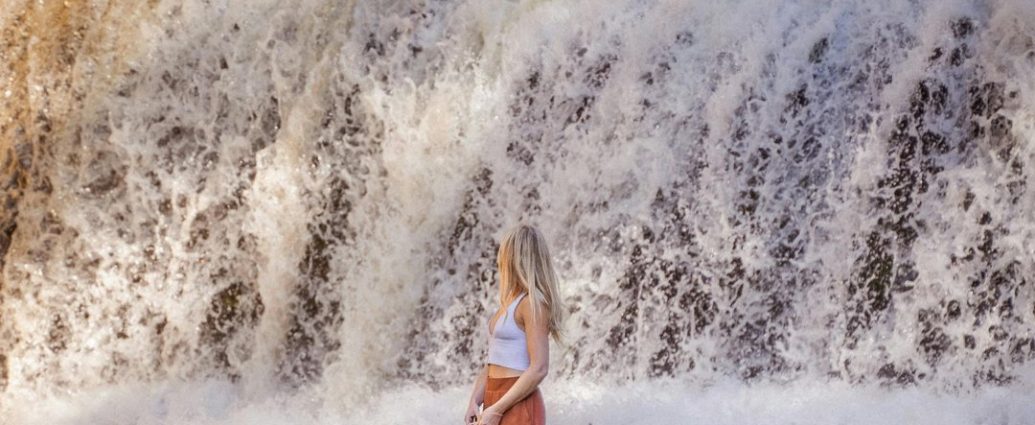
Picture this: you’re standing at Webster’s Falls on a crisp February morning, watching 30 metres of water cascade over ancient limestone. The sound echoes through the gorge while your kids hunt for icicles along the frozen edges. You’re less than 20 minutes from downtown Hamilton, but it feels like you’ve stepped into Algonquin Park.
That’s the magic of living in the Hamilton-Niagara region. While other Ontario cities talk about being close to nature, we actually live in it.
Why Hamilton’s Trail Network Changes Everything
Hamilton sits on one of the most geologically interesting spots in Ontario. The Niagara Escarpment runs right through our backyard, creating over 100 waterfalls within the city limits alone. That’s more waterfalls than you’ll find in most national parks.
The Bruce Trail, Canada’s oldest and longest marked footpath, threads through our communities from Grimsby all the way to Tobermory. But here’s what most people don’t realize: some of the best sections are right here in our region.
Living near the Bruce Trail means having 900 kilometres of hiking literally at your doorstep.
I’ve walked clients through neighbourhoods in Ancaster and Dundas where you can step out your back door and be on a world-class trail system in five minutes. Try finding that in Toronto. Related: Canal Fest Packs Up for North Tonawanda Move to Gratwick Park
The Waterfalls Everyone Talks About
Webster’s Falls gets the Instagram fame, but honestly, it’s just the beginning. Tew’s Falls drops 41 metres, making it Hamilton’s tallest waterfall. The hike to reach it winds through the Dundas Valley Conservation Area, past old-growth forest that’s been here since before European settlement.
Then there’s Albion Falls, Devil’s Punchbowl, and Sherman Falls. Each one has its own personality and difficulty level.
What I love about these spots is how they change with the seasons. Spring brings massive water flow from snowmelt. Summer offers cool swimming holes below some falls. Winter creates ice formations that look like natural sculptures. Related: Healthy Planet Opening Massive New Toronto Store This Year
And they’re all accessible. Families with young kids can handle the walk to most of these waterfalls without breaking a sweat.
Conservation Areas That Feel Like Cottage Country
The Dundas Valley Conservation Area sprawls across 1,200 hectares of mixed forest, wetlands, and meadows. It’s like having Muskoka in your backyard, except you can drive there in 15 minutes instead of three hours.
The trail system here connects to the Bruce Trail, giving you options for everything from a 20-minute stroll to an all-day adventure. The kids can spot deer, wild turkeys, and if they’re lucky, the occasional fox.
Ball’s Falls Conservation Area in Lincoln offers something different. The historic mills and pioneer village give you a dose of local history between waterfall viewings. It’s educational without feeling like a school field trip.
Lake Ontario’s Waterfront Trail
People forget that Hamilton sits right on Lake Ontario. The Waterfront Trail runs along our shoreline, connecting to Grimsby, St. Catharines, and eventually all the way to Quebec.
This isn’t just a walking path. It’s a paved multi-use trail perfect for cycling, rollerblading, or pushing a stroller. The sections through Stoney Creek and Grimsby offer stunning lake views, especially at sunrise.
And here’s a local secret: the section near Confederation Park in Hamilton has some of the best bird watching in the region. Great blue herons, osprey, and dozens of waterfowl species call this area home.
Where to Live for Trail Access
As someone who helps families relocate to this region, I get asked about neighbourhood trail access constantly. Here’s what I tell them.
Dundas puts you closest to the valley conservation area and multiple waterfall trails. The historic downtown core has that small-town feel, but you’re still connected to Hamilton’s job market.
Ancaster offers newer subdivisions with easy access to both the Dundas Valley and the Hamilton-Brantford Rail Trail. Many homes here back onto green space or conservation land.
Stoney Creek positions you perfectly for both escarpment trails and waterfront access. The Fifty Point Conservation Area is basically in your neighbourhood.
Even within Hamilton proper, neighbourhoods like Westdale and Dundas put you within walking distance of major trail systems.
The Real Estate Reality
Homes near conservation areas and trail access typically hold their value better than properties without these amenities. Families pay a premium for backing onto green space or having trail access within walking distance.
But here’s the thing: that premium is still way less than what you’d pay for similar outdoor access in cottage country or mountain towns. You get the lifestyle benefits without the cottage country price tag.
Beyond Hamilton: Regional Trail Connections
The Bruce Trail doesn’t stop at Hamilton’s borders. The sections through Grimsby and Beamsville offer some of Ontario’s most scenic hiking, with vineyard views and Niagara Escarpment lookouts.
Short Hills Provincial Park in Pelham provides more challenging terrain for serious hikers. The Merritt Trail connects St. Catharines to the Welland Canal, giving you flat, family-friendly options.
Living anywhere in the Hamilton-Niagara region means you’re never more than 30 minutes from a new trail system to explore.
The Four-Season Advantage
What sets our region apart is how the outdoor opportunities change throughout the year. Spring brings wildflower blooms along forest trails. Summer opens up swimming opportunities below waterfalls.
Fall turns the escarpment into a showcase of changing leaves. And winter? The frozen waterfalls and snow-covered trails create a completely different scene to explore.
Cross-country skiing is possible on many conservation area trails. Ice climbing attracts enthusiasts to our frozen waterfalls. Even snowshoeing is an option in most winters.
Making the Move for Outdoor Living
If you’re considering a move to the Hamilton-Niagara region, the outdoor lifestyle is probably a bigger factor than you realize. Having nature this accessible changes how you live.
Kids grow up hiking instead of just playing video games. Weekend entertainment doesn’t require expensive tickets or long drives. Your daily stress levels drop when you can take a trail walk after work instead of sitting in traffic.
The health benefits alone make it worthwhile. But honestly, it’s the quality of life that really matters.
When you’re house hunting in this region, don’t just look at the home itself. Look at what’s within walking or driving distance. That conservation area access or trail connection might be the feature that keeps you happy for decades.
And if you’re already living here but haven’t explored what’s available? You’re missing out on one of the best parts of calling this region home.