
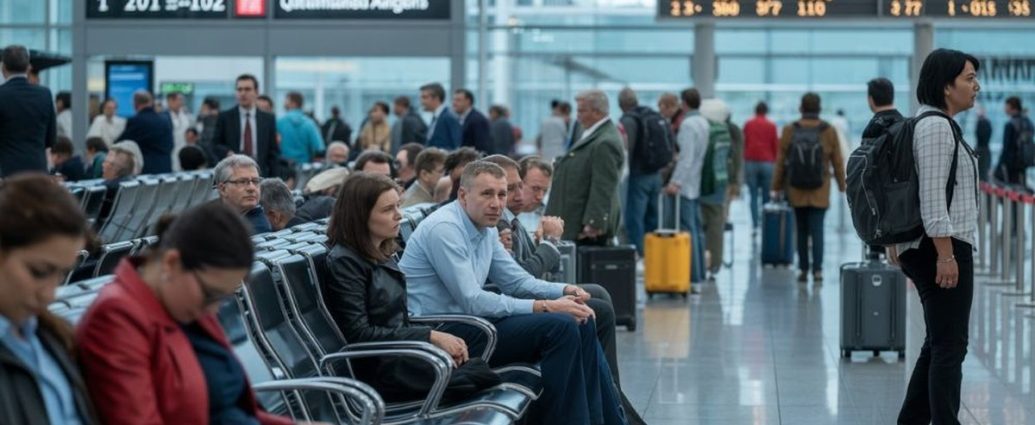
Well, here’s your weekend travel nightmare. Canada’s air travel system basically imploded today, with over 500 flight delays and 98 cancellations hammering airports from Vancouver to Halifax.
If you’re stuck in an airport right now reading this on your phone, you’ve got company.
The perfect storm (literally) of severe weather, thunderstorms, and spring flooding has turned Canada’s busiest airports into waiting rooms from hell. Toronto Pearson alone is reporting 240 delays, which is about what you’d expect from our country’s busiest hub when Mother Nature decides to throw a tantrum.
The Numbers Don’t Lie – This is Bad
Let’s break down the carnage by airport, because misery loves data:
Toronto Pearson International is getting absolutely pounded with 240 delays and 34 cancellations.
That’s roughly one in every three flights running late or not running at all. For context, Pearson handles about 1,300 flights on a typical day. So we’re talking about nearly 20% of all operations being disrupted.
Vancouver International isn’t faring much better. 151 delays and 68 cancellations.
The wet coast is living up to its name today, and not in a good way for travelers trying to escape to those sun destinations.
Montreal-Trudeau International has 77 delays and 11 cancellations, while Halifax International is seeing 23 delays and 5 cancellations. Even smaller airports like Ottawa Macdonald-Cartier (29 delays, 8 cancellations) and Edmonton International (19 delays, 6 cancellations) are feeling the pain.
Air Canada, WestJet, Jazz, Delta, and Air Inuit are all dealing with operational nightmares. When you’ve got airlines that different all struggling at the same time, you know it’s not just a single carrier’s problem.
The financial hit is staggering – with average compensation costs of $400-800 per affected passenger for major delays, airlines could be looking at multi-million dollar losses just from today’s disruptions.
Toronto City Centre Airport, usually a refuge from Pearson’s chaos, is reporting 38 delays and 6 cancellations. That’s telling.
When even the smaller downtown airport can’t escape the carnage, you know the weather system is massive.
Weather’s Being a Real Jerk Today
Environment Canada isn’t pulling punches with their weather warnings today. We’re dealing with thunderstorms dropping 15 to 40 millimetres of rain, which doesn’t sound like much.
Until you realize that frozen ground from winter can’t absorb it.
The result? Flooding.
Lots of it.
Toronto and Montreal are seeing the worst of it, with low-lying areas and roadways turning into impromptu lakes. The combination of mild temperatures, rainfall, and snowmelt is creating runoff that the still-frozen ground just can’t handle.
Airports are particularly vulnerable to this kind of flooding because they’re often built in areas with complex drainage systems. When those systems get overwhelmed, you end up with flooded tarmacs, compromised ground operations, and pilots who can’t safely taxi aircraft.
The thunderstorms aren’t helping either. Air traffic control has to space out takeoffs and landings when there’s lightning in the area. This creates a cascade effect of delays that can last hours after the actual storm passes.
Airport authorities have had to shut down ground operations multiple times today when lightning strikes got too close.
Transport Canada regulations require all outdoor airport workers to take shelter when lightning is detected within 8 kilometres of an airport. Each shelter period usually lasts 30-45 minutes, and with storms rolling through in waves, some airports have had intermittent shutdowns throughout the day.
Here’s What This Means for Your Weekend Plans
If you’re traveling today or this weekend, you need to be proactive. Airlines are already scrambling to rebook passengers, but with this many disruptions, your backup flight might also be delayed or cancelled.
Here’s what you should do right now:
Check your flight status obsessively. Not just once, but every 30 minutes. Airlines are updating information in real-time as weather conditions change.
Download your airline’s app if you haven’t already. You’ll get push notifications about changes, and you can often rebook directly through the app without waiting on hold for customer service.
Know your rights.
In Canada, airlines have to compensate you for certain delays and cancellations, though weather-related disruptions fall into a grey area (yes, really). You’re still entitled to meal vouchers and hotel accommodation if you’re stranded overnight.
Have backup plans ready. If you’re connecting through Toronto or Vancouver, consider alternative routings. Sometimes flying through Calgary or Winnipeg might get you there faster than waiting for your original connection.
For business travelers, today’s chaos represents more than just inconvenience. Conference calls are being missed, deals are falling through, and productivity is grinding to a halt. The economic impact ripples beyond just airline revenues – hotels are dealing with last-minute cancellations and extensions, ground transportation is overwhelmed, and rental car agencies are scrambling to manage inventory as passengers switch to driving instead of flying.
Families with connecting flights face particular challenges. Parents traveling with young children are finding themselves stuck in airports for 8-10 hours, dealing with hungry, tired kids and limited amenities. Airport play areas and family facilities, already strained by normal traffic, are overwhelmed.
Airlines Are in Full Panic Mode
Behind the scenes, airline operations centres are in complete crisis mode. Air Canada’s system operations centre in Toronto is running 24/7 today, with staff working overtime to manage aircraft positioning, crew scheduling, and passenger rebooking.
A senior operations manager at one major Canadian airline, speaking on condition of anonymity, described the situation:
“We’ve got aircraft stuck in the wrong cities, crews timing out because of duty regulations, and passengers who need to be rebooked on flights that are already oversold. It’s like trying to solve a Rubik’s cube while riding a roller coaster. Every decision we make affects three other problems we haven’t solved yet.”
The crew scheduling nightmare is particularly tough. Federal aviation regulations limit how many hours pilots and flight attendants can work, and today’s extended delays are pushing many crews past their legal limits. When a crew “times out,” the airline has to find replacements. Which often means cancelling the flight entirely if no backup crew is available.
WestJet has activated its irregular operations protocol, which includes bringing in additional customer service staff and opening extra rebooking counters at major airports. The airline is also waiving change fees for passengers who want to modify their travel dates, though finding available seats on alternate flights is proving challenging.
Aircraft positioning has become a logistical nightmare. Planes that were supposed to operate evening flights out of Vancouver are stuck in Toronto. Aircraft scheduled for overnight maintenance in Montreal are stranded in Halifax. Each mispositioned aircraft creates a domino effect of additional cancellations and delays.
The Technical Side of This Disaster
From a technical standpoint, what we’re seeing today is a perfect example of how interconnected modern air travel is. When one major hub goes down, it creates ripple effects across the entire network.
Toronto Pearson, being Canada’s busiest airport, is particularly problematic when it’s disrupted. Airlines use it as a major connecting hub for both domestic and international flights. When Pearson can’t handle its normal traffic load, airlines have to reroute passengers through other cities. Which then overwhelms those airports.
The ground operations side is getting hit hard too.
Baggage handling becomes a nightmare when flights are delayed because bags start piling up faster than they can be processed. Aircraft positioning becomes a logistical puzzle when planes are stuck at the wrong airports.
Airlines also have to deal with crew scheduling nightmares. Pilots and flight attendants have strict duty time limitations, so when flights get delayed, crews can “time out” and need to be replaced.
Finding replacement crews during a system-wide disruption is like playing three-dimensional chess.
Air traffic control is managing the crisis by implementing ground delay programs, which hold aircraft at their departure airports rather than having them sit on tarmacs at destination airports. This helps prevent the gridlock that can occur when too many delayed flights arrive at the same time.
Nav Canada, which manages Canadian airspace, has reduced arrival rates at major airports by 30-40% due to weather conditions. This means even flights that aren’t directly affected by storms at their departure or arrival airports are experiencing delays because of reduced system capacity.
Baggage handling systems are breaking down under the strain.
What This Means Going Forward
Pearson’s automated baggage system, designed to handle normal traffic flows, is backing up as delayed flights create bottlenecks. Some passengers are being warned that even if their rescheduled flight departs on time, their luggage might not make the connection.
Small Airports Are Getting Hammered Too
It’s not just the big hubs feeling the pain. Regional airports across Canada are reporting their own issues, which shows how widespread this weather system really is.
Places like Sudbury, CFB Goose Bay, and even smaller northern airports like Kangirsuk are dealing with delays and cancellations. For remote communities that rely on air travel for essential services and supplies, these disruptions can be particularly challenging.
Air Inuit, which serves many northern communities in Quebec and Nunavut, is among the carriers affected. When you’re talking about communities where the only way in or out is by air, flight cancellations aren’t just inconvenient. They can impact everything from medical services to food supply.
The fact that we’re seeing disruptions at airports from CFB Goose Bay in Newfoundland and Labrador all the way to Vancouver shows the geographic scope of this weather system. That’s roughly 4,000 kilometres of affected airspace.
Northern communities face unique challenges during these disruptions.
Medical evacuation flights are being delayed, potentially putting lives at risk. Perishable food deliveries are stuck, and in some communities where grocery prices are already 2-3 times higher than southern Canada, any supply disruption creates immediate hardship.
Postville Airport and Natuashish, both essential links for Labrador communities, are reporting cancellations that will likely strand passengers for days rather than hours. Unlike major urban airports with multiple daily flights, these communities might only see service 2-3 times per week.
The Money Problem Goes Way Beyond Airlines
The economic fallout from today’s travel chaos extends far beyond airline balance sheets. Hotels across the country are dealing with a surge of stranded passengers needing last-minute accommodation. At the same time, they’re losing revenue from travelers who can’t reach their destinations.
A hotel manager at a Toronto airport property explained the challenges:
“We’ve had 200 walk-in requests in the past four hours from stranded passengers, but we’re already at 95% occupancy. We’re putting people on waitlists and trying to coordinate with other hotels, but everyone’s in the same situation. Some guests who were supposed to check out this morning are extending their stays because their flights home are cancelled.”
Ground transportation systems are buckling under unexpected demand. Uber and taxi fares between major cities are surging as passengers abandon air travel for road trips. The Toronto-Montreal corridor is seeing rental car rates spike by 300-400% as one-way availability disappears.
Conference and event organizers are scrambling to manage no-shows and last-minute cancellations. The Toronto Convention Centre estimates that at least 15% of attendees for a major industry conference missed the opening day due to flight disruptions.
Virtual meeting platforms are reporting spikes in usage as business meetings shift online.
Cargo operations are also severely impacted. Time-sensitive freight, including medical supplies, auto parts, and e-commerce packages, is stuck in transit. Canada Post and courier companies that rely on commercial aircraft for long-distance delivery are warning of delays that could extend into next week.
Recovery? Don’t Hold Your Breath
The current forecast suggests thunderstorms will continue through Saturday evening. Which means today’s travel chaos could easily spill into tomorrow. Airlines are already proactively cancelling some Saturday flights to try to reset their operations.
If you’re supposed to fly this weekend, honestly, you might want to consider delaying your trip if possible. The knock-on effects of today’s disruptions will take at least 24 to 48 hours to fully resolve, even after the weather clears.
For airlines, this is going to be an expensive day. Between passenger compensation, crew overtime, aircraft repositioning costs, and lost revenue, today’s disruptions will likely cost millions of dollars across the industry.
But here’s the thing nobody’s talking about: this is exactly the kind of event that exposes weaknesses in our air travel infrastructure. When everything’s running smoothly, the system looks solid. When weather hits multiple major hubs at the same time, you realize how fragile it really is.
Industry experts predict the recovery timeline will vary by airline and route. Domestic flights within Canada should normalize by Sunday evening, assuming weather conditions improve as forecast. International routes, particularly those requiring specific aircraft types or crews with special qualifications, could see disruptions extending into Monday.
Airlines are implementing recovery protocols that prioritize getting aircraft and crews back to their home bases first, then rebuilding normal schedules. This means some routes that weren’t directly affected by today’s weather will still see cancellations over the weekend as airlines sacrifice some flights to stabilize their networks.
The passenger compensation bill will be substantial.
While weather-related delays usually exempt airlines from compensation requirements, passengers stranded overnight are still entitled to accommodation and meals. With hotel rates at premium levels and thousands of passengers needing rebooking, the financial impact will stretch well beyond today’s operational costs.
What This Means Going Forward
The bottom line: if you’re traveling today, pack patience along with your carry-on. Check your flight status religiously, have backup plans ready, and maybe download a few extra podcasts for the inevitable airport delays. This isn’t just a minor inconvenience – it’s a full-scale breakdown of the air travel system that will take days to fully resolve.
Frequently Asked Questions
How many flights were cancelled in Canada today?
Nearly 100 flights were cancelled across Canadian airports, with Toronto Pearson seeing 34 cancellations and Vancouver International experiencing 68 cancellations.
Which airlines are affected by the delays?
Air Canada, WestJet, Jazz, Delta, and Air Inuit are all experiencing significant delays and cancellations due to severe weather conditions.
What’s causing all these flight disruptions?
Severe thunderstorms, heavy rainfall of 15-40mm, and spring flooding are creating unsafe flying conditions and operational challenges at airports across Canada.