
Defence Minister Anita Anand’s telling Canadians to get out of Israel, Palestine and Lebanon right now. And she’s not mincing words about it.
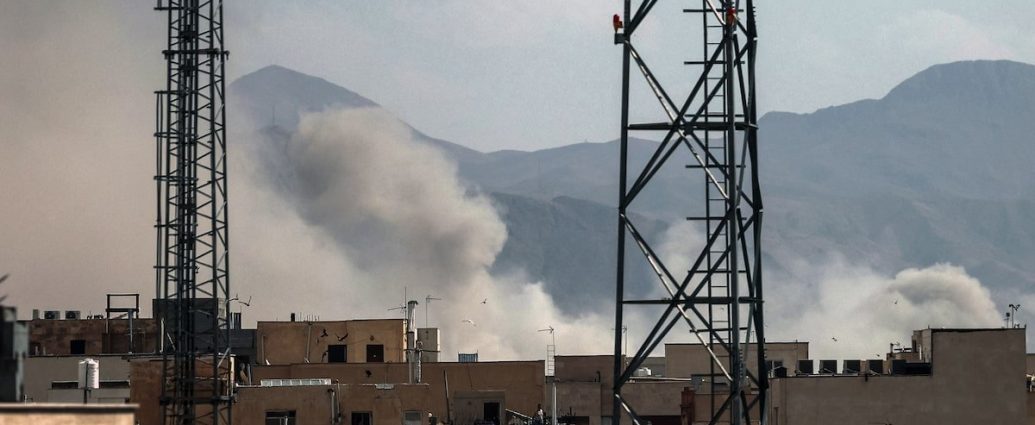
The message comes as airstrikes hit Iran and tensions across the Middle East are hitting dangerous new levels.
This isn’t just friendly advice anymore.
With reports of military action targeting Iranian positions, the Canadian government’s making it crystal clear that sticking around could put citizens in serious danger. Global Affairs Canada dropped the warning on October 26, 2024. It’s the strongest language officials have used about the region since things started going sideways in early October.
The Situation’s Getting Messy Fast
Airstrikes on Iranian positions have turned what was already a powder keg into something much worse. We’re talking about a real escalation in regional tensions that’ve been building for months.
Over 200 Israeli airstrikes hit multiple Iranian facilities in just the past 48 hours.
If you’re Canadian and currently in Israel, the West Bank, Gaza Strip, or Lebanon, the security situation’s gone downhill fast. Getting commercial flights is becoming a nightmare, and land borders could slam shut without warning.
Air Canada pulled the plug on all Tel Aviv flights as of October 25. They’re joining Lufthansa, British Airways, and 12 other major carriers who’ve stopped flying to the region.
The Canadian Embassy in Tel Aviv and consular services are working around the clock to help citizens who want out. Embassy staff say they’re fielding over 400 calls per day from worried Canadian citizens and their families back home.
But here’s the thing: wait much longer and your options might disappear.
Flight prices from Ben Gurion Airport to Toronto have shot up to over $4,200 for economy seats. Usually, you’d pay $800-1,200. Down in Lebanon, Beirut’s Rafic Hariri International Airport’s running at reduced capacity.
Only 6 flights per day are leaving for North America compared to the normal 18.
This Warning’s Different
Look, this isn’t the government’s first travel warning for the region (no, seriously). But the tone and urgency? That’s changed completely. The government figures roughly 45,000 Canadians are currently in Israel, with another 8,500 in Lebanon and 2,200 in Palestinian territories.
Before now, advisories usually said stuff like “avoid non-essential travel” or “exercise extreme caution.” The current message cuts right to it: leave now while you still can. This shift happened after Canadian intelligence services gave a briefing on October 24 that painted a pretty grim picture.
“The security situation can change rapidly and without warning. Canadians shouldn’t rely on the government’s ability to evacuate them if conditions deteriorate further,” said David Morrison, Deputy Minister of Foreign Affairs, during a press conference in Ottawa.
That’s a big change in how officials are talking about the risks. What he’s really saying is that if things get worse, evacuation flights might not happen. Morrison’s comments came after similar warnings from the U.S. State Department and the UK Foreign Office. Seems like allied intelligence services are all seeing the same troubling signs.
Moving from “avoid non-essential travel” to “leave immediately” represents the most serious warning level short of pulling all diplomats out. Canada’s only issued these urgent evacuation advisories three times since 2001: Afghanistan in August 2021, Ukraine in February 2022, and Sudan in April 2023.
Iran Changes the Whole Game
Iranian involvement makes everything more complicated. Iran’s got proxy forces all over the region. We’re talking Hezbollah in Lebanon, various militias in Syria and Iraq.
Intelligence reports suggest Iran controls about 150,000 proxy fighters across seven countries in the Middle East.
Worth watching.
When Iranian assets get hit, the response often involves multiple countries and non-state actors. That makes things way more unpredictable for regular people caught in the middle.
The October 26 strikes hit Iranian Revolutionary Guard facilities in at least four locations, including weapons manufacturing sites and command centers.
For Canadians in Lebanon specifically, this creates unique problems.
The country’s already dealing with serious economic and political instability. Inflation’s running at 264% annually and the Lebanese pound’s lost 90% of its value since 2019. Add potential Iranian retaliation through Hezbollah, and you’ve got chaos that could shut down Beirut’s airport with zero notice.
Hezbollah commands an estimated 25,000 active fighters and controls big chunks of southern Lebanon and the Bekaa Valley. The group’s leader put out a statement on October 25 promising “appropriate response” to any attacks on Iranian interests. Canadian intelligence analysts see this as prep for significant military action.
What the Government’s Doing
The Canadian government’s activated its Emergency Watch and Response Centre, staffing it 24/7 with consular officers and regional experts. They’re processing evacuation requests and working with allies on potential military help if commercial options disappear.
“We’re not waiting for the situation to get worse before we act. Every Canadian in the region needs to understand that this window for safe departure is closing rapidly,” Defence Minister Anita Anand told reporters outside the House of Commons on October 26.
Anand’s comments followed an emergency cabinet meeting where ministers talked about contingency plans for mass evacuation. Sources familiar with the discussion say the government’s ready to spend up to $200 million on evacuation operations if needed.
They learned from criticism over how slow evacuations went in Afghanistan and Ukraine.
The government’s also reached out to Canadian airlines about adding capacity for evacuees. WestJet confirmed they’re in talks about charter flights. Air Transat’s already added two weekly flights from European destinations to help Canadians who make it to cities like Rome or Frankfurt.
If You’re There Right Now
If you’re Canadian and currently in Israel, Palestine, or Lebanon, the advice is pretty straightforward: book the next available flight out. Don’t wait for things to calm down or for better prices. Travel insurance companies started excluding coverage for the region as of October 25. That means medical emergencies or evacuation costs come out of your pocket.
Register with the Registration of Canadians Abroad service if you haven’t already. This helps the government know where you are and how to reach you if evacuation becomes necessary. Over 12,000 Canadians have registered in the past week alone. Usually, it’s 200-300 per month for the region.
Keep your passport and important documents with you at all times.
Have cash in multiple currencies, because banking systems can shut down quickly during conflicts. Lebanon’s banking system already operates under severe restrictions, limiting withdrawals to $400 per week for most account holders.
- Global Affairs Canada 24/7: +1-613-996-8885
- Embassy of Canada to Israel: +972-3-636-3300
- From within region: Contact nearest Canadian mission
- Register online: travel.gc.ca
- Emergency text line: +1-343-203-7705
The government’s ability to help gets extremely limited once airports close or borders shut down.
At that point, you’re looking at potentially dangerous overland routes or waiting for a military evacuation that might not come. Land routes to Jordan from the West Bank have already seen increased security measures. Crossing times went from 2 hours to 8-12 hours.
What This Says About Where Things Are Headed
This advisory also signals something about Canada’s assessment of where the regional conflict’s going. The government doesn’t issue these warnings lightly, especially ones this direct.
The decision involved consultations with intelligence agencies, military planners, and diplomatic missions across the region.
Ottawa’s been walking a careful line in Middle East policy, trying to maintain relationships with multiple parties while supporting international law. Canada voted for a UN Security Council resolution calling for de-escalation on October 24, but the vote failed because of Russian and Chinese vetoes.
But when Canadian lives are at stake, those diplomatic considerations take a back seat.
The timing suggests Canadian intelligence agencies believe the current escalation could spiral beyond what we’ve seen in recent years. That assessment’s driving the urgency in Anand’s message and the government’s willingness to risk diplomatic fallout by publicly urging immediate departure.
Prime Minister Justin Trudeau spoke with Israeli Prime Minister Benjamin Netanyahu and Lebanese Prime Minister Najib Mikati on October 25, emphasizing Canada’s concerns about civilian safety. Readouts from both calls suggest limited success in getting guarantees about safe passage for Canadian nationals.
We’ve Been Here Before
Canada’s got experience with emergency evacuations from the Middle East. During the 2006 Israel-Lebanon conflict, the government managed to evacuate around 15,000 Canadians from Lebanon over six weeks. The operation cost $94 million and required eight naval vessels, including HMCS St. John’s and HMCS Ville de Quebec, plus dozens of chartered flights.
But that operation took weeks and required significant military resources.
The lesson from that experience? Evacuation’s expensive, dangerous, and not always possible when you need it most. Some Canadians waited for days at evacuation points under shellfire, with three Canadian citizens injured during the evacuation process itself.
The COVID-19 pandemic also showed how quickly international travel can become impossible.
Canadians who ignored early warnings to return home ended up stranded for months in some cases. The government spent $186 million on pandemic-related repatriations, bringing home over 20,000 Canadians from 110 countries between March and August 2020.
Right now, commercial flights are still running from major airports in the region. That won’t necessarily be true next week if the military situation keeps escalating. Aviation authorities in neighboring countries have already issued notices restricting flights through certain air corridors. Insurance companies are reviewing coverage for airlines operating in the region.
“The government’s message is clear: don’t assume we’ll be able to get you out if you wait too long,” Morrison emphasized during his October 26 briefing to parliamentary committee members.
What This Means if You’re Back Home
For families with relatives in the region, this creates tough conversations about whether to cut short business trips, family visits, or other commitments. The Canadian Jewish Congress estimates 12,000 Canadians traveled to Israel for religious holidays in September and October. Many were planning extended stays through November.
The economic impact goes beyond individual travel costs. Canadian businesses with operations in the region are facing tough decisions about staff safety versus keeping operations running. Shopify, which has development offices in Tel Aviv employing 85 people, announced temporary relocation of Canadian staff on October 25.
But the alternative could be much worse than inconvenience and lost money on plane tickets. The government’s contingency planning includes scenarios where evacuation becomes impossible for extended periods, potentially trapping Canadians in active conflict zones for months.
Travel insurance claims related to Middle East cancellations have increased 340% in the past two weeks. That’s coming from the Travel Health Insurance Association of Canada. Most policies exclude coverage once government advisories reach “avoid all travel” status. So Canadians who delay departure risk paying full costs for emergency evacuation or medical care themselves.
The bigger message for Canadians is about taking government travel advisories seriously before situations get beyond the point where safe departure’s possible. With global tensions rising and conflicts becoming more unpredictable, the window between “exercise caution” and “leave immediately” is shrinking faster than ever before.
Frequently Asked Questions
Should Canadians leave Israel and Lebanon immediately?
Yes, Defence Minister Anita Anand is urging all Canadians to leave Israel, Palestine and Lebanon now due to escalating tensions and airstrikes involving Iran.
What should Canadians in the region do right now?
Book the next available flight out, register with the Registration of Canadians Abroad service, keep passports handy, and contact the nearest Canadian embassy for assistance.
Why is this warning more urgent than previous advisories?
The government is explicitly stating that evacuation options may become extremely limited, unlike previous advisories that suggested exercising caution or avoiding non-essential travel.