
Mark Carney sat down with Donald Trump in Washington today. Canada’s unemployment just hit 7.1% – haven’t seen it this bad in nine years.
Talk about terrible timing for our economy.
Unemployment’s jumped half a percentage point since January, and Trump’s tariffs on Canadian cars, steel and aluminum aren’t making things any easier. Here’s what’s really gonna hurt though – Trump’s planning another hit on Canadian exports. He’s cooking up 10% tariffs on softwood lumber imports starting next week. That’s one of our biggest exports heading south.
Here’s Where the Lumber Thing Gets Messy
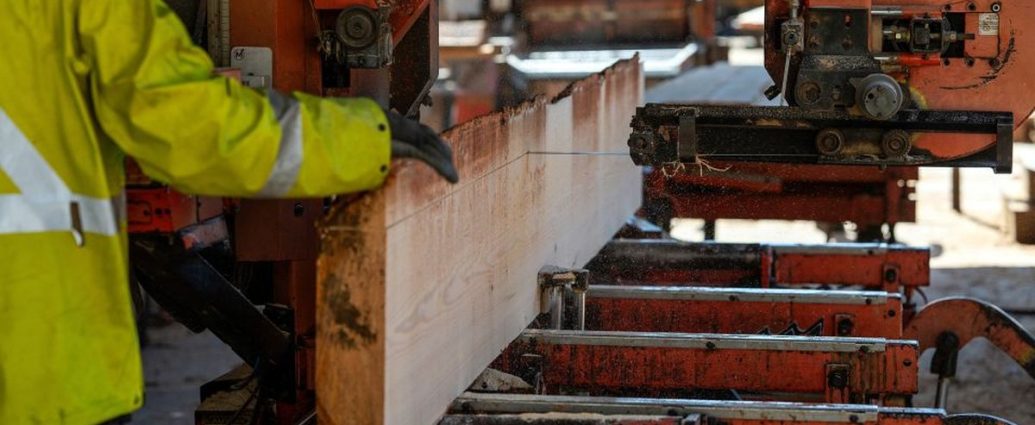
Lumber’s massive for Canada’s export business. We shipped $47.8 billion worth of forestry products south in 2024, with softwood lumber making up $12.3 billion of that pile. Americans buy roughly 85% of our lumber exports.
British Columbia alone? Forestry directly employs 140,000 people there. Count the related jobs – trucking, equipment, services – and you’re looking at over 300,000 workers across the province.
Look, Canada can’t handle this right now. Our economy’s already taking a beating. Throwing lumber onto the tariff pile after cars, steel and aluminum? That’s gonna make everything way worse.
The auto sector’s already getting hammered by Trump’s 25% steel tariffs and 10% aluminum duties from March.
General Motors announced temporary layoffs at its Oshawa plant back in August, citing “supply chain disruptions related to increased input costs” as the problem. Carney knows what’s at stake here. Getting actual face time with Trump matters, according to Inu Manak from the Council on Foreign Relations.
“It makes a difference to have face-to-face time with Trump,” said Inu Manak, a senior fellow for international trade at the Council on Foreign Relations.
What’s This Mean for Regular Folks?
The numbers don’t sugarcoat anything. Abacus Data polled 1,500 adults last week about Canada’s biggest problems. Cost of living and the economy topped the list – 73% said they’re “very concerned” about money. Makes sense when you’re staring at 7.1% unemployment.
Jobless rate’s been climbing steadily from 6.6% in January to where we’re sitting now in September.
That’s roughly 320,000 more Canadians out of work compared to the start of the year. Youth unemployment tells an even uglier story. The rate for Canadians aged 15-24 hit 12.8% in September – highest since the 2008 financial crisis. In places like Newfoundland and Labrador, youth unemployment’s reached 18.4%.
Here’s where it gets really messy – even tariffs on Canadian exports can raise prices for us.
Raw materials cross the border multiple times to make finished goods, explains Jeffrey Schott from the Peterson Institute for International Economics. So when Trump hits Canadian lumber heading south with tariffs, it can still hurt Canadian wallets. Canadian lumber companies often buy specialized equipment and chemicals from the US. When those inputs get pricier because of retaliatory measures, costs get passed along to Canadian consumers building homes or fixing up their places.
The Damage That’s Already Happened
Trump’s existing tariffs are costing Canadian workers jobs right now. Statistics Canada reported manufacturing employment dropped by 23,000 jobs in August alone, with metal work and automotive parts getting hit hardest.
Steel tariffs have been brutal.
ArcelorMittal Dofasco in Hamilton laid off 1,200 workers in June, directly blaming the 25% US steel duties. The company’s CEO said tariffs made their operations “economically unviable” for export markets.
Aluminum producers aren’t doing any better. Rio Tinto announced it’s shutting down operations at its Kitimat smelter in British Columbia by December, wiping out 1,000 direct jobs and another 1,500 contractor positions. The automotive sector, which supports 500,000 Canadian jobs directly and indirectly, has seen production cuts across multiple plants.
Ford’s Windsor engine plant cut shifts from three to two, affecting 1,400 workers. Stellantis put off a $3.6 billion investment in its Brampton facility, citing “trade uncertainty” as a key reason.
What’s Carney’s Play Here?
Carney’s pushing for new exemptions to sectoral tariffs. Goal is boosting Canadian incomes when unemployment’s this terrible. The Prime Minister brought a specific proposal to Washington: exempting $18 billion worth of Canadian energy exports from future tariff measures.
That includes electricity, oil and natural gas – sectors where Canada’s got real advantages and the US depends heavily on what we supply.
Canada supplies 20% of US oil imports and 85% of its electricity imports (wild, right?). Carney’s argument is tariffs on these products would hurt American consumers more than Canadian producers.
At today’s meeting, Trump said the US will “treat Canada fairly” in any trade deal.
He wants it to include dairy and be “full.” But he didn’t share details. Classic Trump move right there – big promises, light on specifics. The dairy comment isn’t shocking though. American agricultural lobbies have been pushing for better access to Canada’s protected dairy market since the original NAFTA talks in the 1990s.
“There’s a necessity on the part of the (Canadian) government to shift away from so much of the focus on Trump and being anti-Trump and really think about what they can do to improve the lives of Canadians day-to-day,” Manak said.
USMCA’s in Real Trouble
The bigger picture here? The US-Mexico-Canada Agreement’s up for mandatory review next year – specifically July 1, 2026 marks the six-year review period built into the deal.
Right now, Canadian and Mexican goods can still enter the US duty-free if they’re USMCA compliant.
Agreement covers $1.3 trillion in annual trade between the three countries, with Canada-US trade alone worth $780 billion in 2024. But Trump’s been using higher tariffs on non-compliant goods as use. Since March, he’s imposed duties on $34 billion worth of Canadian exports that don’t meet strict “Buy American” requirements or regional content rules.
Strategy’s working – he’s got both Canada and Mexico scrambling. Mexican President Claudia Sheinbaum’s scheduled to meet with Trump next week, likely to discuss similar exemptions for Mexican agricultural exports and manufactured goods.
Schott thinks the whole agreement’s at risk.
“What’s at risk is the continuation of that deal or the slow unraveling of that,” he said.
Trump’s Real Game Plan
Honestly? Manak doesn’t think Trump will renew the trilateral agreement. She expects him to use it as “endless use” in future trade talks.
Trump’s repeatedly bashed multilateral trade deals, preferring bilateral arrangements where he believes the US has more negotiating power.
His team leaked documents in August suggesting they want separate agreements with Canada and Mexico rather than extending USMCA. That puts Carney in a really tough spot. He needs to negotiate now while keeping an eye on possible bilateral deals down the road.
Canada’s economy is way more dependent on US trade than Mexico’s – roughly 75% of Canadian exports go to the United States, compared to 58% for Mexico.
Same goes for Mexican President Claudia Sheinbaum, though Mexico’s been diversifying its trade relationships more aggressively than Canada in recent years.
These Unemployment Numbers Are Brutal
While Carney talks tariffs in Washington, regular Canadians are dealing with the highest unemployment rate since 2015.
Last time joblessness hit 7.1% was during the oil price collapse that destroyed Alberta’s economy. 7.1% means 1.47 million Canadians are actively looking for work but can’t find jobs. That’s real families struggling to pay rent and buy groceries.
Average duration of unemployment has increased to 22.3 weeks, up from 19.1 weeks at the start of the year.
Regional differences make the picture even uglier. Atlantic Canada’s seeing unemployment rates above 8% in three of four provinces. Nova Scotia hit 8.4% in September, while New Brunswick reached 8.8%. Timing couldn’t be worse for trade fights with the US.
Canada exports about $500 billion worth of goods to America each year.
Any disruption hits jobs immediately because Canadian companies often operate on thin margins and can’t absorb sudden cost increases. Manufacturing’s been especially hard hit – sector lost 89,000 jobs between January and September, with Ontario bearing the worst losses.
Auto plants in Windsor and Oshawa have cut production by 15% since March, directly matching up with steel and aluminum tariff implementation.
Real Families Feeling the Squeeze
Economic pain isn’t just numbers on a spreadsheet.
Real Canadian families are feeling the squeeze as trade tensions worsen and unemployment climbs. Housing costs keep climbing even as jobs disappear. Average Canadian home price reached $746,000 in September, while mortgage rates have jumped to 6.2% for five-year fixed terms.
When you’re unemployed, those numbers become impossible to handle.
Food prices have risen 8.9% year-over-year, partly because of supply chain problems caused by cross-border trade friction. Gasoline prices are up 12% since January, hitting families who are already stretching every dollar. Canadian government’s responded with some measures – extending employment insurance benefits by five weeks and bumping the maximum weekly benefit to $668.
But these are band-aid solutions when the real problem is structural job losses in key export industries.
Small towns that depend on single industries are getting hit hardest. Kitimat, British Columbia faces economic devastation when the Rio Tinto smelter closes. The town of 8,200 people will lose roughly 15% of its workforce, triggering a cascade of business closures and population decline.
So What Happens Next?
Today’s meeting between Carney and Trump gives some clues about where USMCA negotiations are headed.
Initial reports suggest Trump’s willing to consider temporary exemptions for Canadian energy exports, but wants concrete concessions on dairy market access in return. Timeline’s tight though – if lumber tariffs go ahead next week as planned, Canadian forestry companies will face immediate cash flow problems.
Canfor Corp. One of Canada’s largest lumber producers, already announced it’s considering shuttering two more mills in British Columbia if the 10% duties go through.
But the basics haven’t changed – Canada’s economy is struggling, unemployment’s at nine-year highs, and Trump holds most of the cards in trade talks because the US market’s so important for Canadian exporters.
Next major milestone comes in December when USMCA partners are supposed to submit their preliminary positions for the 2026 review.
Canada needs to show economic momentum by then, or risk negotiating from an even weaker position. Lumber tariff decision will be the first test of whether today’s meeting accomplished anything.
Trump has until Monday to either go ahead with the 10% duties or give Canada a temporary exemption while broader trade talks continue.
If those 10% duties go through next week? That’ll be a clear signal that nice words in Washington don’t mean much.
Canadian lumber workers will know the answer by Friday when the first shipments face the new tariffs at border crossings. For Carney, the pressure continues – he can’t fix Canada’s unemployment crisis overnight, but he can try to prevent it from getting worse.
Today’s meeting was just the opening round in what promises to be a long and difficult negotiation with an unpredictable US president who’s shown little hesitation about using trade as a weapon.
Frequently Asked Questions
What is Canada’s current unemployment rate?
Canada’s unemployment rate has reached 7.1%, the highest level in nine years.
What tariffs has Trump imposed on Canada?
Trump has imposed tariffs on Canadian cars, steel, aluminum, and is preparing 10% tariffs on lumber imports.
When is the USMCA up for review?
The US-Mexico-Canada Agreement faces mandatory review next year.