
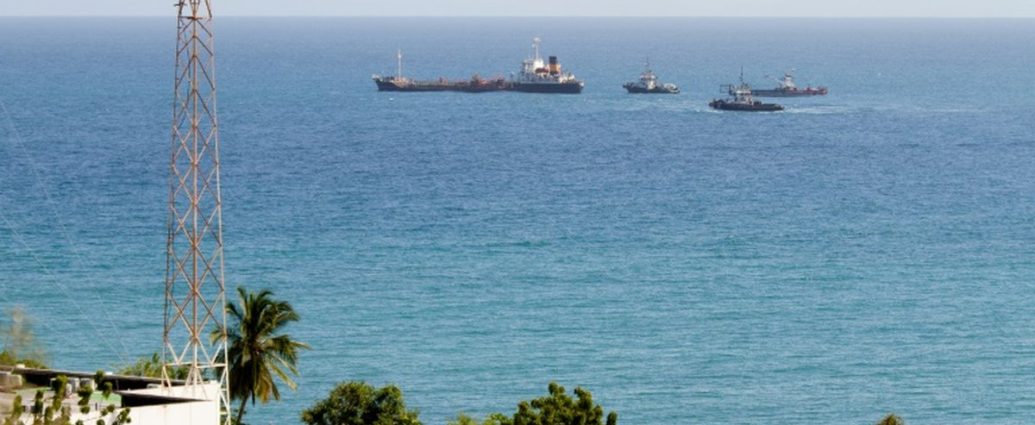
A ship that’s believed to be carrying Russian fuel oil is making its way to Cuba, setting up another test of the decades-old U.S. Trade embargo against the Caribbean island nation.
The development comes as energy supply chains continue to shift following Russia’s invasion of Ukraine and the subsequent international sanctions targeting Moscow’s energy exports. The vessel, reportedly loaded with approximately 70,000 tons of fuel oil worth an estimated $40 million, represents a significant energy lifeline for Cuba’s struggling power grid.
Ship Movement Raises Embargo Questions
The tanker, identified through maritime tracking systems as having departed from Russia’s Baltic Sea port of Primorsk in late November, is expected to arrive in Cuban waters within the next 10-14 days. Satellite imagery confirms the vessel’s westward trajectory through the Atlantic, following shipping lanes commonly used for Caribbean-bound cargo.
This shipment comes at a time when Cuba’s energy crisis has reached critical levels. The island experienced nationwide blackouts affecting 10 million people in October 2024, with some regions remaining without power for up to 72 hours. The Cuban government attributed these outages to aging infrastructure and fuel shortages that have plagued the nation’s electrical grid.
The U.S. Trade embargo against Cuba, in place since 1960, prohibits American companies and subsidiaries from conducting business with Cuban entities. The sanctions have cost Cuba an estimated $154 billion over six decades, based on Cuban government calculations. But the restrictions don’t prevent third-country companies from trading with Cuba, creating a complex web of international commerce.
For Canada, this situation presents familiar diplomatic territory. Canadian companies have long maintained business relationships with Cuba despite U.S. Pressure, and Ottawa has consistently opposed the American embargo as extraterritorial overreach. In 2023, bilateral trade between Canada and Cuba totaled $1.2 billion, with Canadian firms operating in sectors ranging from mining to tourism.
Energy Security Becomes Critical Priority
Cuba’s energy infrastructure has struggled for years with aging equipment and limited fuel supplies.
The island nation consumes approximately 160,000 barrels of oil equivalent per day, with roughly 85% coming from imports. The country has historically relied on oil imports from Venezuela and other allies to keep its power grid functioning.
Venezuela’s fuel shipments to Cuba dropped by 60% between 2019 and 2024, falling from roughly 100,000 barrels per day to just 40,000 barrels per day. This decline reflects Venezuela’s own economic struggles and aging refinery infrastructure, forcing Cuba to seek alternative suppliers.
Recent blackouts and energy shortages have made fuel imports even more important for Cuba’s 11 million residents. The reported Russian fuel shipment, if confirmed, would represent another attempt to diversify energy sources away from traditional suppliers. Industry analysts estimate that Cuba needs at least 50,000 barrels per day of imported fuel oil to maintain basic electrical grid stability.
Russian fuel exports have faced increasing restrictions since the Ukraine invasion began in February 2022. The European Union’s sixth sanctions package, implemented in December 2022, included a ban on seaborne Russian crude oil imports. The G7 price cap, set at $60 per barrel for Russian crude, has pushed Moscow to seek new markets for its energy products, with exports redirected to Asia, Africa, and Latin America.
What happens when a country can’t keep the lights on?
“Cuba’s energy situation has become desperate, and they’re turning to any available supplier who can deliver fuel oil at affordable prices,” said Maria Rodriguez, a Caribbean energy analyst at the Atlantic Council. “Russian suppliers are willing to offer competitive terms because they need new markets outside Europe.”
International Law vs. Unilateral Sanctions
The situation highlights ongoing tensions between U.S. Sanctions policy and international maritime law.
Ships carrying Russian fuel oil can legally sail to Cuba under international law, even if such transactions face American penalties. The vessel’s route through international waters makes direct U.S. Intervention legally problematic.
Canada has experience with these conflicting pressures. The Helms-Burton Act, passed by the U.S. Congress in 1996, attempted to penalize foreign companies doing business with Cuba. The legislation allows U.S. Citizens to sue foreign companies using properties confiscated after Cuba’s 1959 revolution. Canadian firms successfully challenged some provisions, and Ottawa passed legislation protecting Canadian businesses from American extraterritorial sanctions.
The Canadian Foreign Extraterritorial Measures Act, enacted in 1996, specifically prohibits Canadian companies from complying with certain U.S. Sanctions against Cuba. This legislation has protected Canadian businesses conducting legitimate trade with Cuba, including companies like Sherritt International, which operates nickel mining operations on the island.
And honestly, this isn’t the first time we’ve seen these jurisdictional conflicts play out.
“We’ve seen this pattern before where the U.S. Attempts to extend its domestic sanctions to international partners,” said former Canadian Ambassador to Cuba John Kirk. “Canada’s position has always been that we conduct our foreign policy based on our own national interests, not those dictated by Washington.”
Maritime tracking and satellite monitoring have made it harder to conceal ship movements, but enforcement remains complicated when vessels operate in international waters. The U.S. Treasury Department’s Office of Foreign Assets Control (OFAC) has sanctioned over 400 Russian entities since February 2022, but most penalties apply only to U.S. Persons and companies.
Economic Implications for the Caribbean Region
For Cuba, securing reliable fuel supplies remains essential for economic stability. The island’s tourism sector, which generated $3.2 billion in revenue in 2019 before the COVID-19 pandemic, depends on consistent electricity and transportation fuel. Tourism arrivals dropped to just 1 million visitors in 2021, compared to 4.3 million in 2019, partly due to infrastructure problems including power outages.
The reported Russian fuel shipment could provide temporary relief for Cuba’s energy grid, covering approximately two weeks of the country’s fuel oil consumption. But it won’t solve longer-term infrastructure challenges that require an estimated $2 billion in power grid modernization investments over the next decade.
That’s a staggering amount for a country that’s been economically isolated for decades.
That’s the short version.
Cuban authorities have been working to modernize the electrical system and reduce dependence on imported fossil fuels. The government announced plans in 2023 to increase renewable energy capacity to 37% of total generation by 2030, up from the current 5%. Solar and wind projects worth $500 million are under development with financing from European and Asian partners.
Caribbean energy markets have seen significant changes since 2022. Traditional suppliers like Venezuela have reduced exports due to their own economic problems, creating opportunities for other producers. Russia’s share of global seaborne fuel oil exports increased to 18% in 2023, up from 14% in 2021, as Moscow redirected supplies away from European markets.
What This Means for Canadian Businesses and Diplomacy
Canadian companies operating in Cuba watch these developments closely. Firms in sectors from mining to telecommunications have maintained Cuban operations despite periodic U.S.
Pressure. Sherritt International, Canada’s largest investor in Cuba, has operations worth approximately $800 million on the island, including nickel mining and power generation facilities.
The federal government in Ottawa has defended Canadian business rights to trade with Cuba, viewing the relationship as a matter of sovereignty rather than geopolitics. Canada-Cuba trade has remained relatively stable, with Canadian exports to Cuba totaling $687 million in 2023, primarily agricultural products and manufactured goods.
Canadian energy companies have shown interest in Cuba’s renewable energy development plans. SNC-Lavalin and other Canadian engineering firms have participated in preliminary discussions about solar and wind projects that could reduce Cuba’s dependence on imported fossil fuels.
The situation also affects Canadian diplomatic relations with both Cuba and the United States. Ottawa maintains that its Cuba policy serves Canadian interests while supporting democratic development through engagement rather than isolation. Prime Minister Justin Trudeau visited Cuba in 2016, emphasizing Canada’s independent approach to the relationship.
Look, Canada’s maintained this position for decades – we don’t let Washington dictate our trade relationships.
Monitoring and Enforcement Challenges
Tracking fuel shipments to Cuba involves multiple international agencies and monitoring systems. The U.S. Coast Guard monitors Caribbean shipping lanes, while satellite imagery from companies like Planet Labs and Maxar provides detailed vessel tracking data. The International Maritime Organization maintains ship identification systems that can track vessel movements in real-time.
Insurance and financial services present the most effective enforcement mechanisms for international sanctions. Lloyd’s of London and other major marine insurers have restricted coverage for Russian cargo since 2022, making it difficult for vessels to obtain protection and indemnity insurance required for international voyages.
But enforcement remains limited when ships operate legally under international maritime law. The U.S. Can impose penalties on American entities but faces restrictions on sanctioning foreign companies for lawful international trade. Secondary sanctions, which penalize non-U.S. Entities for doing business with sanctioned parties, require specific legal authority that doesn’t exist for all Cuba-related transactions.
Banking restrictions present another enforcement challenge. The U.S. Dollar’s role in international trade gives American regulators significant influence over global financial transactions, but alternative payment systems have emerged. Russia and Cuba have explored barter arrangements and non-dollar transactions to avoid U.S. Financial system oversight.
The situation reflects broader questions about unilateral sanctions in a multipolar world where major powers compete for influence through economic policy. The effectiveness of U.S. Sanctions depends increasingly on multilateral cooperation, which has been limited regarding Cuba compared to other sanctions regimes.
Maritime lawyers note that international law strongly protects freedom of navigation, making it difficult for any single country to prevent lawful commercial shipping between third parties. This principle has protected Canadian and other foreign companies trading with Cuba, even when such trade conflicts with U.S. Policy preferences.
What This Means Going Forward
The thing is, these competing legal frameworks create a maze that companies have to handle carefully. They’re operating in a space where what’s legal under international law might still trigger U.S. Penalties if you’re not careful about how you structure the deal.
So where does this leave everyone? Cuba desperately needs the fuel to keep its lights on. Russia needs new markets for its oil. And countries like Canada are caught in the middle, trying to maintain their sovereign right to trade while managing relationships with all parties involved.
Frequently Asked Questions
Is it legal for ships to carry Russian fuel to Cuba?
Yes, under international maritime law, but such shipments may face U.S. sanctions penalties for American entities involved.
How does the U.S. embargo against Cuba work?
The embargo prohibits U.S. companies from trading with Cuba but doesn’t prevent third-country companies from conducting business with the island.
Why does Cuba need fuel imports?
Cuba’s aging energy infrastructure and limited domestic oil production make the country dependent on imported fuel to power its electrical grid and economy.